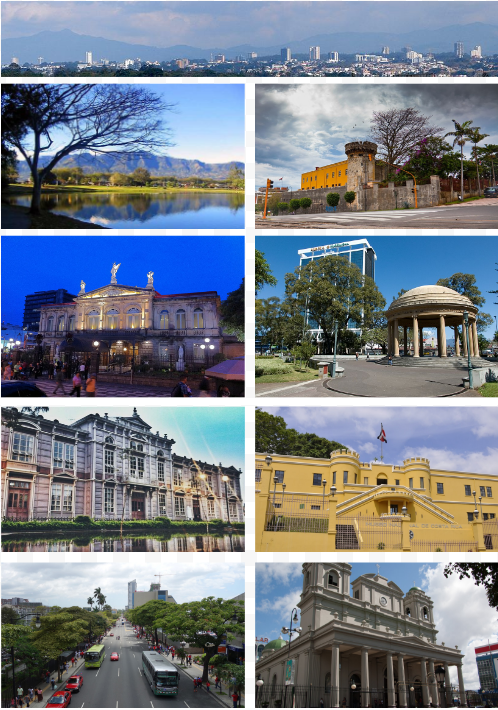
Costa Rica’s Rentista is a top territorial-tax retirement option — your foreign income stays untaxed by Costa Rica. Combined with pura vida lifestyle and one of Latin America’s strongest healthcare systems, it’s a reason this country is a perennial retire-abroad favorite. Verified 2026 detail.
Last verified: May 26, 2026.
Rentista Residency overview
- Income: $2,500 USD/month for 24 months proven — OR $60,000 deposited in a Costa Rican bank
- Validity: 2 years, renewable
- Tax: Territorial — foreign income NOT taxed by Costa Rica
- Cost: ~$250 USD application + DIMEX (residence card)
- Caja contribution mandatory: ~$60-150/month
Why Costa Rica works
- Territorial tax — your foreign income (US pension, dividends) is NOT taxed by Costa Rica
- Pura vida lifestyle + Pacific & Caribbean coasts + cloud forests + volcanoes
- One of the most stable democracies in Latin America (no military)
- Healthcare (Caja public + private) consistently rated best in Central America
- Large established US + Canadian retirement community
Eligibility requirements
- $2,500/month for 24 months OR $60K deposit at approved Costa Rican bank
- Apostilled birth + marriage certificates (Spanish-translated)
- Clean criminal record
- Health insurance OR mandatory Caja enrollment
Cost of living — Costa Rica 2026
- 1-bed Atenas (popular expat town): $700-1,200/month
- 1-bed Tamarindo (beach): $1,000-1,800/month
- 1-bed San José (Escazú, Santa Ana): $700-1,400/month
- Restaurant meal: $8-18 ($4 for casado at soda)
- Couple comfortable monthly: $2,500-4,000 USD
- Private healthcare top-up (couple 65+): $200-400/month
FAQ
Costa Rica vs Panama for retirement?
Costa Rica: more nature-focused, established expat community, mandatory Caja health system. Panama: stronger banking secrecy, Pensionado discounts on everything (1/2 movie tickets, 30% restaurants, 25% airfare), USD official currency. Costa Rica has marginally better infrastructure outside capitals; Panama has stronger financial services.
Rentista Residency application — step by step
Step 1. File application at General Directorate of Migration (Migración) in San José. Most applicants engage a Costa Rican attorney ($800-$2,000 typical).
Step 2. Required: $2,500/month proof for 24 months OR $60,000 deposit in approved Costa Rican bank, apostilled birth + marriage certificates + criminal record, all with sworn Spanish translation.
Step 3. Application fee: ~$250 USD + DIMEX (residence card) ~$130.
Step 4. Processing: 6-12 months typical. Some attorneys can expedite to 4-6 months.
Step 5. Mandatory Caja (Costa Rica public health system) enrollment within 30 days. Cost based on income: ~$60-$150/month per person.
Step 6. After 3 years on temporary Rentista, eligible for permanent residency. Citizenship after additional 4 years (7 years total residency).
Banking + practical setup in Costa Rica
Major banks: Banco Nacional, Banco de Costa Rica (BCR), BAC Credomatic, Scotiabank Costa Rica.. BAC Credomatic + Scotiabank most foreigner-friendly with English-speaking staff. Account opening requires DIMEX + passport + utility bill (rental contract). USD accounts widely available.
Cultural notes for newcomers
Pura Vida is genuine — Costa Ricans (Ticos) consistently rank among world’s happiest. Catholic + family-oriented. Soccer (Saprissa, Alajuelense, Heredia) cultural anchor. Sustainability + ecotourism deeply integrated. Spanish essential outside expat zones (Atenas, Tamarindo, Escazú).
Real cost of living + practical lifestyle
Atenas (Central Valley expat hub) couple lifestyle: $2,500-$3,800/month. Tamarindo (beach, tourist premium) $3,500-$5,500. Healthcare: Caja public covers basics; most expats supplement with private (INS, Hospital CIMA San José) — $200-$400/month per couple for premium top-up.
Most common newcomer pitfall
Caja contributions can surprise — calculated on declared income, not assets. Initial Caja enrollment estimates often revised upward at first audit. Budget for $150-$300/person/month even on lower income brackets.
How Costa Rica compares to peers
Vs Panama: Costa Rica more nature + safer + better healthcare. Panama has stronger banking + tax (USD currency + territorial tax + Pensionado benefits). Many retirees pick CR for lifestyle, Panama for finance.
Additional FAQ
Best time to arrive in Costa Rica?
Most LATAM administrative offices slow significantly during Christmas/New Year + Easter Week (Semana Santa). January (post-holiday catch-up) and September-November tend to be the smoothest months for residency applications, banking, and rental searches.
Can I bring my US/EU/Canadian driver license?
Most LATAM countries honor foreign driver licenses for 90-180 days as a tourist. After residency, you generally need to obtain a local license — sometimes via simple conversion (Costa Rica, Panama, Mexico), sometimes via local test (Brazil, Argentina). International Driving Permit (IDP) recommended for the transition period.
Healthcare for retirees in Costa Rica?
Public systems vary widely (Costa Rica’s Caja excellent; Bolivia’s very limited). Most expat retirees combine: cash for routine care (often dramatically cheaper than US — $30-60 specialist visits), private insurance for catastrophic ($100-$400/couple/month for Cigna, Bupa, local equivalents), and travel back to home country for very complex procedures if needed.
Why this country in 2026 specifically
Costa Rica’s 2026 retirement appeal centers on three structural advantages most other Latin destinations lack: territorial taxation, the Caja public health system (rated #1 in Central America), and a stable democracy with no military since 1948 — Costa Rica is consistently ranked one of the world’s safest countries.
Costa Rica passed major immigration reforms in 2022-2023 streamlining DIMEX issuance and shortening Rentista processing. The country has invested heavily in retiree infrastructure — English-speaking clinics in Atenas, Liberia, and Escazú, real-estate brokerages specializing in expat clients, and a mature legal industry around residency applications. The “pura vida” branding is real, but it’s backed by genuine institutional stability.
Even more FAQ
Is Costa Rica too expensive now compared to 10 years ago?
Yes — Costa Rica costs have risen 30-50% over the past decade, especially in Atenas, Tamarindo, Escazú, and Manuel Antonio. Inland Central Valley towns (Cartago, Heredia interior, Grecia) remain affordable. Compared to US/Canada/UK retirement, even premium Costa Rica is 40-60% cheaper. Compared to Panama or Mexico, Costa Rica is now mid-range, not budget.
What happens to my Caja health coverage if I travel for 3 months?
Caja membership requires you to maintain residency in Costa Rica. Brief travel (under 90 days) typically doesn’t affect membership. Extended absence (6+ months) can trigger membership lapse — you may need to re-enroll on return. Most retirees maintain Caja + supplementary private (Cigna, BUPA, INS) for the international flexibility.
Related: full visa comparison · Mexico Temporary Resident · Best places to retire abroad.
✓ Last verified: May 26, 2026.
Further reading
- Netherlands visa guide 2026: DAFT, startup visa, highly skilled migrant and more
- Turkey residency guide 2026: short-term permit, property route and citizenship
- Costa Rica visa guide 2026: pensionado, rentista and investor residency
- Georgia visa and residency guide 2026: the ultimate low-tax expat base
- Panama visa guide 2026: Pensionado, Friendly Nations and investor routes