The Schengen 90/180 rule trips up more long-stay travelers than any other regulation in Europe. Misunderstanding it can cost you a 1-year ban from re-entry. Here’s exactly how it works, how to calculate your remaining days, and the tools that make tracking easy.
Last verified: 2026-04-28.
The rule, simply
Most non-EU passport holders (Americans, Canadians, Australians, Brits post-Brexit, etc.) can stay in the Schengen Area for up to 90 days within any rolling 180-day period, without a visa.
“Rolling 180-day period” is the part that confuses people. It’s not per year. It’s not per visit. On any given day, look back at the previous 180 days. Count how many of those days you spent inside Schengen. That total cannot exceed 90.
Which countries count
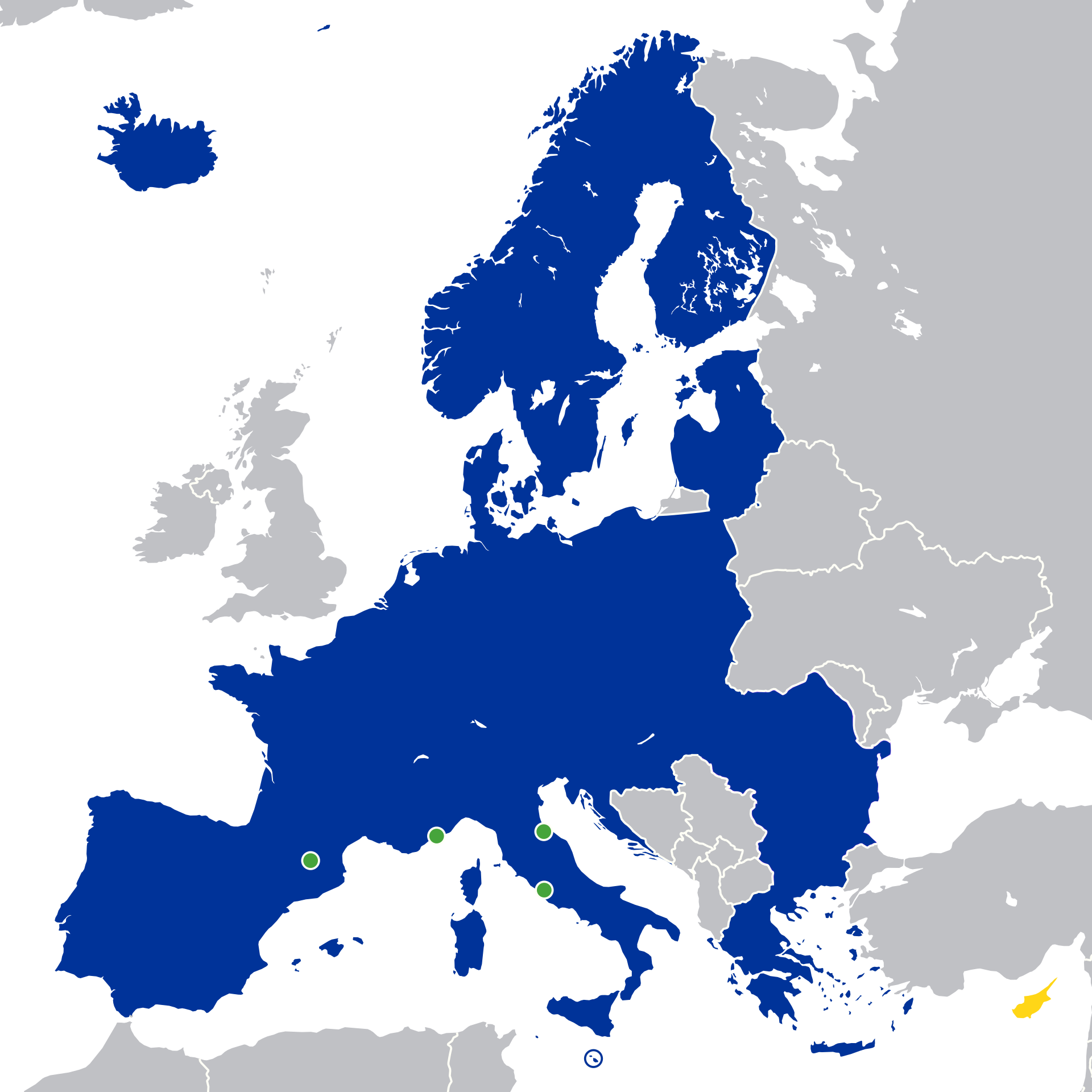
The Schengen Area is 29 countries as of 2026: 25 EU members plus Switzerland, Norway, Iceland, and Liechtenstein. Bulgaria and Romania joined fully in March 2024. Cyprus is in the EU but not yet Schengen.
Days count whether you’re in France, Spain, Germany, or any other Schengen country — you can’t reset by switching countries. This is the most common misunderstanding.
How to calculate your remaining days
Use the EU’s official Schengen Calculator at ec.europa.eu. Input your past entries and exits; it tells you exactly how many days remain and when your next “fresh” 90-day window opens.
App alternatives: Schengen Days Calculator (iOS/Android), Schengen Tracker.
What overstaying actually costs
- 1–3 days: Usually a warning at exit. Logged in your passport history.
- 3–30 days: Fine ranging from €200 to €1,000 depending on country.
- 30+ days: Often results in a 1-year Schengen entry ban. The ban is recorded in SIS II (Schengen Information System) and applies to all 29 countries.
- Long overstay or repeat: Multi-year ban; future visa applications routinely rejected.
Long-stay paths that bypass the rule
- National long-stay visas (Type D): Each Schengen country issues its own. Portugal D7, Spain Non-Lucrative, Italy Elective Residence, etc. These give you residence in the issuing country and access elsewhere only via Schengen freedom-of-movement rules (which still allow up to 90 days in other Schengen countries on top of your home country residency).
- Romania, Bulgaria, Cyprus, UK, Ireland: Some non-Schengen or non-fully-Schengen countries that don’t count against your 90 days.
- Albania, Serbia, Georgia, Turkey: Non-Schengen European countries with their own visa rules where you can spend time without depleting your Schengen days.
The “border hop” myth: Leaving for a few days and re-entering does NOT reset your 90-day counter. The 180-day window is rolling — you can only re-enter when enough old days “fall off” the back end of your 180-day lookback.
✓ Last verified: 2026-04-28.
Final practical advice
Plan your timing carefully — many of the costs and complexities described above can be reduced significantly with even basic advance preparation. Researching 2-3 months ahead of any major commitment, asking questions of people who have already been through the process, and giving yourself buffer time for the inevitable surprises will save you both money and stress.
Save the resources mentioned in this guide. Bookmark the official government websites, sign up for email updates from major service providers, and join 2-3 online communities specific to your destination or situation. The pre-trip research investment pays back exponentially during the trip itself.
If anything in this guide is no longer accurate (rules change frequently), please reach out via our contact page so we can update. We refresh content quarterly and welcome community corrections.
Further reading
- Cost of living in Chiang Mai, Thailand 2026: monthly budget for expats
- Cost of living in Bali, Indonesia 2026: monthly budget for expats
- Cost of living in Tbilisi, Georgia 2026: monthly budget for expats
- Cost of living in Da Nang, Vietnam 2026: monthly budget for expats
- Cost of living in Cuenca, Ecuador 2026: monthly budget for expats