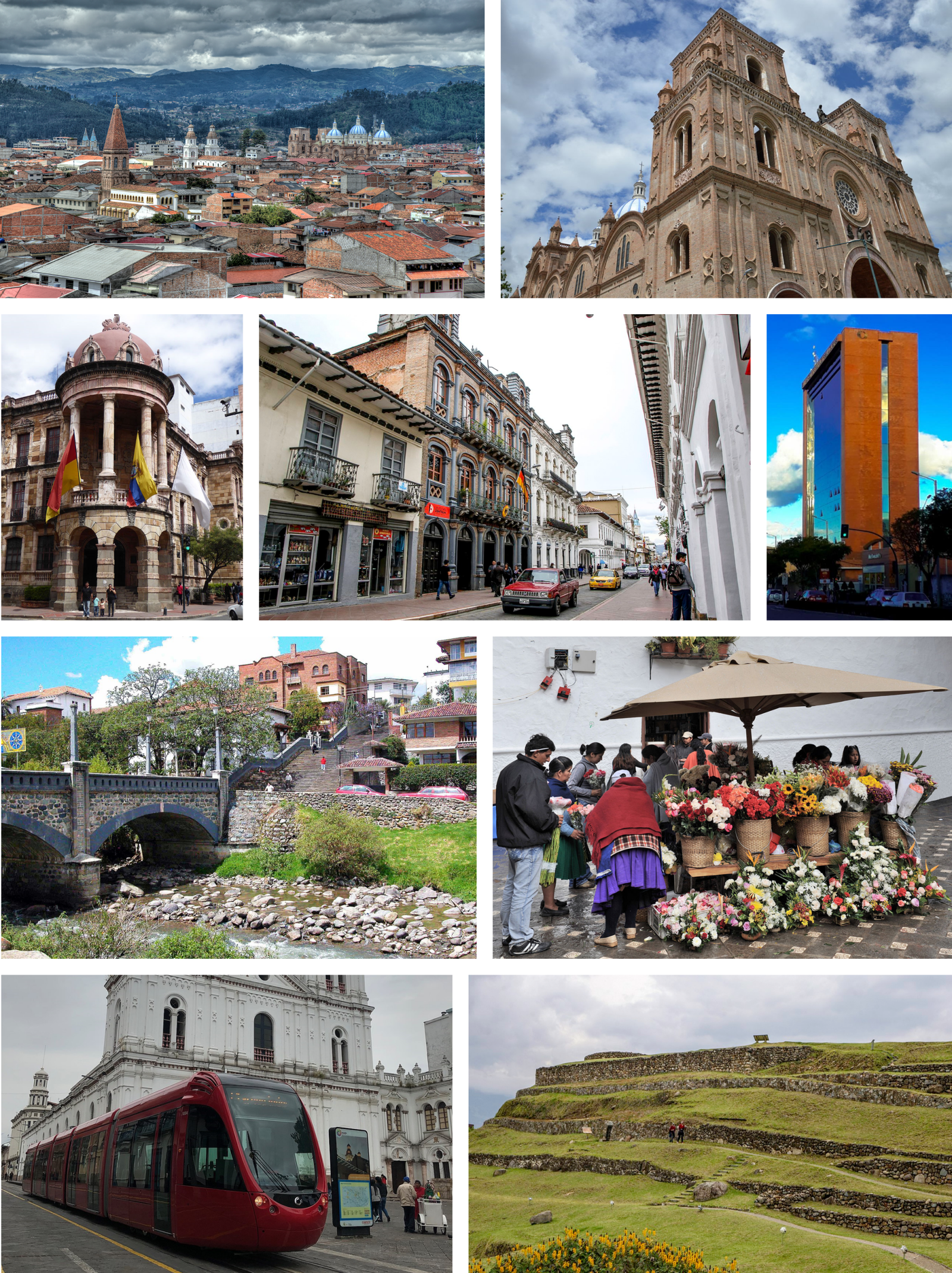
Cuenca is consistently ranked among the cheapest places in the world for retirees and remote workers — European-quality cobblestoned streets at Latin American prices. Here is the full 2026 cost breakdown.
Currency: USD (Ecuador uses the US dollar). All figures are monthly estimates based on July 2026 data from expat communities, local listing sites, and cost-of-living surveys.
Is Cuenca cheap to live in?
Cuenca sits at 2,500 metres altitude in the Ecuadorian Andes and consistently appears in retirement and relocation rankings as one of the most affordable cities for Western expats. The city has a UNESCO World Heritage Centre, a large expat community, excellent private healthcare, and a cost structure that allows a comfortable life on USD 1,200 to 1,500 per month.
Monthly cost breakdown
| Category | Budget | Comfortable | Premium |
|---|---|---|---|
| Accommodation (1-bed flat, furnished) | $350–$500 | $550–$800 | $900–$1,400 |
| Groceries + eating out | $150–$250 | $250–$400 | $400–$600 |
| Local transport | $20–$40 | $40–$80 | $80–$200 |
| Utilities (electricity, water, internet) | $40–$60 | $60–$80 | $80–$120 |
| Entertainment, gym, socialising | $80–$150 | $150–$250 | $250–$450 |
| Total (excluding health insurance) | $650–$1,000 | $1,100–$1,600 | $1,700–$2,700 |
Who each budget suits
- Budget ($650–$1,000/month): Couples sharing a furnished flat in a residential neighbourhood, cooking most meals, using public buses. Tight but achievable for solo travellers.
- Comfortable ($1,100–$1,600/month): A single professional or retired couple with a good 1-bed or 2-bed flat near El Centro, eating out several nights per week, taxis when needed. The sweet spot for most expats.
- Premium ($1,700–$2,700/month): Expats wanting a large modern apartment, regular restaurant dining, a car or frequent taxis, private gym, and weekly travel within Ecuador.
Accommodation in Cuenca
A furnished 1-bedroom apartment in El Centro or the Gringolandia district (where most expats live) costs USD 400 to 600 per month. Larger 2-bedroom apartments run USD 550 to 850. Newer condominiums with security and pools in El Batan or Ordóñez Lasso reach USD 800 to 1,200 but represent the upper end of the market.
The most popular expat neighbourhoods are El Centro (walkable, cultural, colonial architecture), El Batan (newer, more suburban, good restaurants), and El Vergel (quiet residential). Listings appear on PlusvailEcuador.com, Facebook groups (Cuenca Expats and For Sale/Rent Cuenca), and through local real estate agencies.
Food and eating out
Cuenca’s covered market (Mercado 9 de Octubre) serves a full almuerzo (set lunch of soup, main course, juice) for USD 1.50 to 2.50. Local restaurants charge USD 3 to 8 per meal. Western-style cafés and restaurants in El Centro typically charge USD 8 to 15 per head. A full week of groceries at SuperMaxi (the main supermarket) costs USD 40 to 60 for one person eating well.
Transport
Cuenca’s public bus system costs USD 0.30 per journey and covers the city comprehensively. Taxis within the city cost USD 2 to 5. Uber operates in Cuenca from 2024. Renting a car is rarely necessary within the city but useful for weekend trips to nearby villages and national parks.
Healthcare in Cuenca
Cuenca is one of the main reasons retirees choose Ecuador. Private hospitals (Hospital Monte Sinaí, Clínica Santa Inés) offer Western standards at a fraction of Western prices. A GP consultation costs USD 25 to 50. Specialist appointments USD 40 to 80. Comprehensive private health insurance for a healthy 50-year-old costs USD 100 to 180 per month. Ecuador has a public healthcare system (IESS) that foreigners on resident visas can join voluntarily for approximately USD 80 per month — one of the best value healthcare enrolments in the world.
Healthcare costs
Public healthcare in Ecuador is available to legal residents. Most expats carry private health insurance — comprehensive international coverage costs roughly USD 100 to 200 per month depending on age and coverage level. Local private insurance, where available, is significantly cheaper.
Finding accommodation in Cuenca
Furnished apartments are plentiful in Cuenca and most landlords are accustomed to renting to foreigners. Search via Facebook groups (Cuenca Expats Housing) and PlusvailEcuador. Signing in person is the norm.
Visas and legal requirements
British, US, Canadian, and most EU passport holders can enter Ecuador visa-free for 90 days. For longer stays, the Special Resident Retirement (Jubilado) visa requires proof of a pension of at least USD 800 per month. The Rentista visa requires proof of monthly income of at least USD 800 from any source.
Cuenca’s altitude (2,500 metres) affects some people for the first 2 to 4 weeks — reduced stamina, mild headaches, disrupted sleep. Budget for a slower first month while acclimatising before making any long-term decisions about whether you like the city.
What expats say about living costs
Cuenca has one of the most established English-speaking expat communities in Latin America. The weekly expat market, language exchange groups, and International Living club create a ready-made social infrastructure. The main complaint from expats who leave: the altitude and the limited nightlife. The main reason people stay: the price, the climate (mild and consistent at 2,500m), and the community.
Is Cuenca right for you?
Cuenca is an excellent long-term base for retirees, writers, and remote workers who want European aesthetics at significantly lower cost. The USD currency removes exchange rate uncertainty. For those who need reliable fast internet, co-working spaces have arrived in the last few years and urban connectivity is now adequate.
Further reading
- Building a social life abroad from zero in 2026: what actually works for expats
- Tax obligations when moving abroad 2026: what you must do before you leave your home country
- Storage options before moving abroad 2026: self-storage, container storage and family garages compared
- How to transfer money internationally as an expat 2026: cheapest services compared
- Downsizing and selling everything before moving abroad 2026: a practical timeline