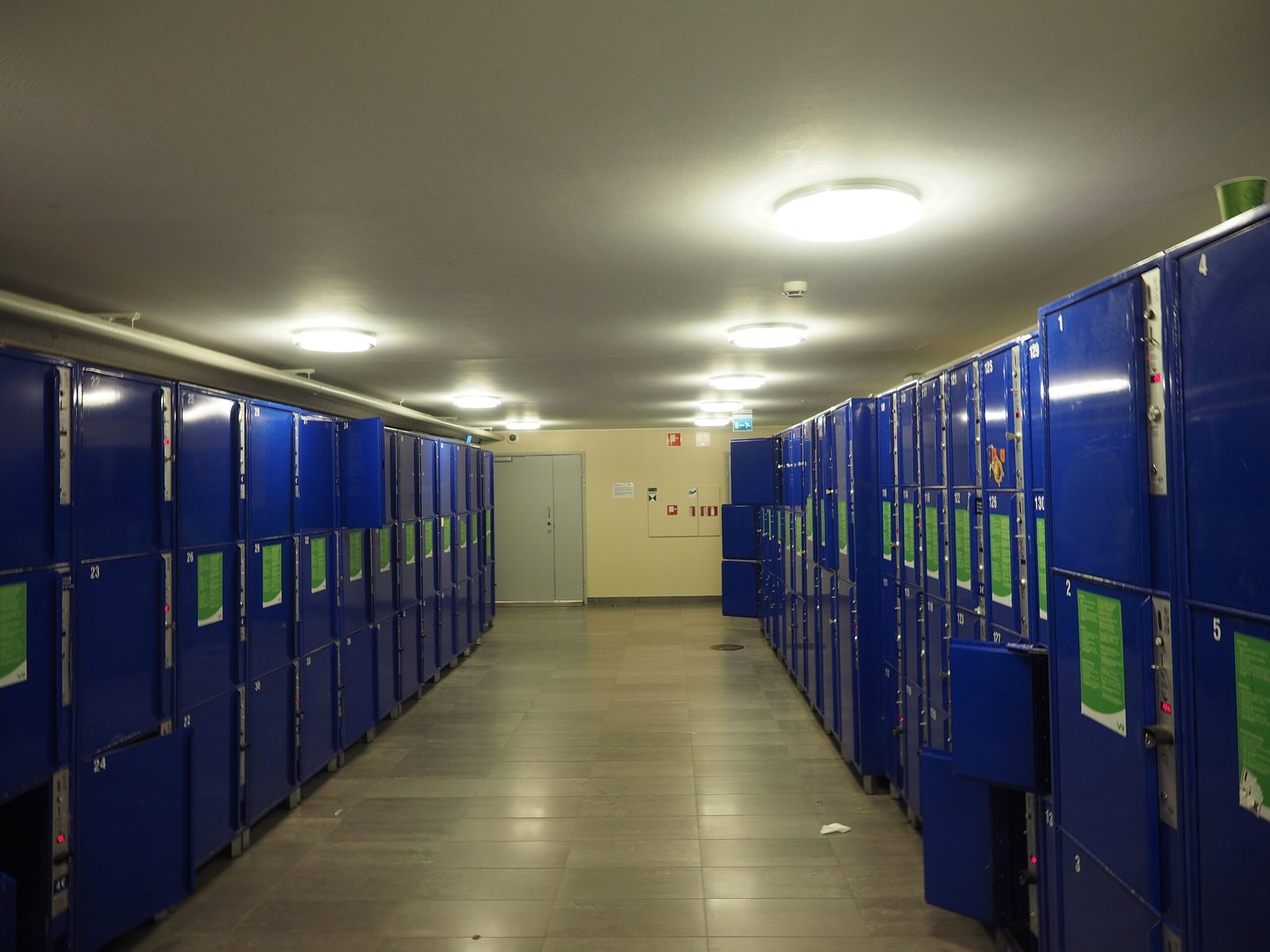
Storage is the decision most people make last and regret most. A 25-square-foot self-storage unit at GBP 50 per month costs GBP 600 per year. Over five years that is GBP 3,000 — enough to buy a lot of replacement furniture in Portugal or Thailand. The storage decision should be made deliberately, not by default.
The three storage options
When you move abroad and do not want to sell or ship everything, your choices are:
- Self-storage unit: rented space in a dedicated facility. Flexible month-by-month contracts, secure, accessible. The most expensive per cubic foot.
- Container storage: your belongings go into a shipping container stored in a secure yard. Cheaper per cubic foot than self-storage. Access is by appointment only.
- Family or friend storage: free but a favour with relationship implications. Works well for 12 months, gets complicated beyond that.
Self-storage: the flexible standard
Self-storage facilities from Safestore, Big Yellow, Shurgard, and Access Self Storage offer units from small lockers to rooms large enough for a full house. The key advantages are flexibility (month-to-month, no minimum term) and access (you can get to your belongings yourself within opening hours).
Costs vary significantly by city and by the size you choose:
| Unit size | Approximate contents | Monthly cost (London) | Monthly cost (outside London) |
|---|---|---|---|
| 25 sq ft (locker) | 10 to 15 boxes | GBP 40 to 70 | GBP 25 to 45 |
| 50 sq ft (small room) | Studio flat contents | GBP 80 to 140 | GBP 50 to 90 |
| 75 sq ft (medium room) | 1-bed flat contents | GBP 120 to 200 | GBP 75 to 130 |
| 100 sq ft (large room) | 2-bed flat contents | GBP 150 to 250 | GBP 90 to 170 |
| 150 sq ft (large room) | 3-bed house key items | GBP 200 to 350 | GBP 130 to 220 |
Insurance for self-storage
Your belongings must be insured while in storage. Self-storage companies offer their own insurance (typically GBP 5 to 20 per month) but this is often overpriced for what it covers. Check whether your home contents insurance extends to storage units — many policies do, up to a certain value. If not, specialist storage insurance is available cheaply through providers like Surewise or Gallagher Insurance (from GBP 2 to 5 per month for GBP 5,000 of cover).
Container storage: best for volume
Container storage works well when you have a large amount to store and infrequent access needs. Your belongings are packed into a standard 20-foot or 40-foot shipping container stored in a secure yard:
- A 20-foot container (about 33 cubic metres) holds a typical 2-bedroom home’s contents and costs GBP 100 to 200 per month in most UK locations.
- A 40-foot container holds a 3 to 4 bedroom home and costs GBP 180 to 350 per month.
- Access is typically by appointment — the provider brings your container to a loading bay and you have a set number of hours to add or remove items. Usually costs a GBP 25 to 50 access fee.
- Packing quality matters more in a container than in a self-storage unit. Items shift more in transport and during yard movements. Use robust double-walled boxes and pack everything tightly.
Providers: Pickfords Storage, White and Company, BigSteelBox. Some removal companies include container storage as a bundled option if you use them for your international move.
Family and friend storage: the free option
A parent’s or sibling’s garage is free and usually the most trusted option for genuinely sentimental or irreplaceable items. The relationship economics work best for stays of 12 to 18 months. Beyond that, the pressure on the storage provider mounts — their priorities change, they want their garage back, or they start opening the boxes.
If you use family storage, minimise the footprint: pack everything in clearly labelled boxes, ideally on a pallet so it can be moved as a single unit. Leave a detailed inventory and check in annually about whether the arrangement still works.
Climate control: when do you need it?
Standard self-storage units are not temperature or humidity controlled. Temperature fluctuates seasonally, and UK units can be cold and damp in winter. For most household goods — furniture, clothing in sealed bags, books in sealed boxes — standard storage is fine. Climate control is worth the 15 to 25 percent premium for:
- Oil paintings, watercolours, or photographic prints.
- Vintage or designer clothing, particularly leather and silk.
- Musical instruments, especially woodwind and stringed instruments.
- Vinyl records and analogue audio or video media.
- Antique furniture with inlay, veneer, or marquetry.
- Valuable wine or spirits.
A 5-year storage cost model
Before defaulting to storage, model the cost over your likely absence:
- 50 sq ft unit in London at GBP 100 per month: GBP 6,000 over 5 years.
- Container storage at GBP 150 per month: GBP 9,000 over 5 years.
- Family storage with an annual gift of GBP 200: GBP 1,000 over 5 years.
- Selling the contents and replacing what you need on return: GBP 3,000 to 5,000 to refurnish a typical 2-bed flat from scratch with good second-hand finds.
The comparison often makes selling look more attractive than it first appears. The items most worth storing long-term are those that genuinely cannot be replaced: family photographs and documents, items with personal history, specialist tools, and high-value investment-grade objects.
Book your self-storage unit at least 4 weeks before your departure date. Popular facilities in London and other major cities fill up fast, especially in summer when many people are relocating. Early booking also often comes with a promotional first-month discount.
Further reading
- How to transfer money internationally as an expat 2026: cheapest services compared
- Downsizing and selling everything before moving abroad 2026: a practical timeline
- Household contents insurance for expat renters 2026: what you need and what your landlord covers
- How to register as an expat resident in 7 countries 2026: the bureaucracy guide
- Getting a local phone number abroad in 2026: prepaid SIM, contract, or eSIM — what to choose