Latin America has the world’s most retiree-friendly visa landscape in 2026 — low thresholds, territorial tax in most countries, USD currency in several. Here’s the verified ranking.
Last verified: May 26, 2026.
The ranking by income threshold (low to high)
- Panama Pensionado — $1,000/month pension (lifetime visa, USD currency)
- Colombia Migrante — ~$1,000/month (3x min wage)
- Peru Rentista — $1,000/month
- Guatemala Rentista — $1,250/month
- Paraguay Rentista — $1,500/month (or $5,500 fixed deposit)
- Ecuador Pensioner — $1,425/month (USD currency)
- Argentina Rentista — $2,000/month
- Belize QRP — $2,000/month (age 45 minimum)
- Costa Rica Rentista — $2,500/month (or $60K deposit)
- Mexico Permanent Resident — $5,000/month or $200K savings
By tax treatment (territorial first)
- Panama, Costa Rica, Paraguay, Guatemala, Uruguay — territorial tax; foreign income exempt
- Belize QRP — zero tax on foreign income while QRP
- Colombia — first 4 years Colombian-source only, then worldwide
- Mexico, Ecuador, Peru, Argentina, Chile — worldwide income taxed but with foreign tax credits
By healthcare quality
- Costa Rica — best in Central America (Caja + private mix)
- Colombia — best in South America (prepagada plans excellent)
- Chile — best infrastructure overall, more expensive
- Mexico — excellent private in major cities (CDMX, Guadalajara, Mérida)
- Uruguay — best per-capita in Latin America (mutualista system)
- Panama — excellent private hospitals in Panama City
By citizenship speed (fastest to slowest)
- Argentina — 2 years
- Paraguay — 3 years from PR
- Uruguay — 3-5 years (3 if married)
- Mexico — 5 years from PR
- Panama — 5 years from Pensionado
- Costa Rica — 7 years
- Colombia, Belize, Ecuador, Peru, Chile, Guatemala — 5-7 years
Top picks by retiree profile
Lowest budget ($1,200-1,500/month total)
Ecuador (USD currency, $1,425 threshold, Cuenca real lifestyle $1,400/month) or Guatemala (Lake Atitlán $1,500/month real lifestyle, lowest threshold in Central America).
Best tax + USD currency
Panama Pensionado ($1,000/month, USD official, territorial tax, indefinite visa). Hard to beat for budget retirees with US Social Security.
Highest quality of life regardless of cost
Uruguay (safest, 11-year tax holiday, instant PR) or Costa Rica (pura vida, healthcare, established US community).
Fastest citizenship
Argentina (2 years) — for those who want a second passport ASAP. Argentine passport gives visa-free access to most of EU + Schengen.
FAQ
Which Latin country is best for US retirees in 2026?
Top three: Mexico (proximity + infrastructure + lifestyle), Panama (tax + USD + Pensionado benefits), Costa Rica (healthcare + safety + nature). All three have well-established US expat infrastructure.
Do I need to learn Spanish?
In Panama City, San José, Mexico City (Roma/Condesa), Boquete, Cuenca — you can survive English-only. Outside major expat enclaves you’ll need conversational Spanish. Most retirees report A1-A2 Spanish gets them ~80% of daily needs.
What’s the FATCA/CRS situation for US expats in Latin America?
All listed countries are CRS reporters. Banks share account info with home tax authority. This is now standard worldwide. Plan for full transparency — there’s no ‘hide assets’ option in 2026.
Methodology — how we ranked these 10
Our 2026 Latin American retirement ranking weighs four factors that drive real-world retiree satisfaction:
- 1. Income threshold (25% weight): minimum income/savings required to qualify. Lower = more accessible.
- 2. Tax treatment (30% weight): from territorial (foreign income exempt) to worldwide. Territorial-tax countries (Panama, Costa Rica, Paraguay, Uruguay 11-year holiday, Guatemala) dramatically outperform for US retirees with portfolio income.
- 3. Healthcare quality + access (25% weight): public + private system quality, English-speaker accessibility, expat retiree feedback.
- 4. Cost of living + safety + climate (20% weight): real monthly burn for retiree couple, expat community density, security ratings, climate suitability.
Three retiree personas — which fits your situation?
Persona 1: “Budget” — $1,200-$1,800/month total spend
Best fits: Ecuador (Cuenca specifically), Paraguay (Asunción), Guatemala (Lake Atitlán, Antigua), Cambodia/Vietnam in Asia-Pacific. US Social Security alone funds this lifestyle with room for travel + healthcare. Public healthcare access varies — most Persona 1 retirees pay cash for private healthcare ($30-50/visit specialist).
Persona 2: “Mid-Comfort” — $2,500-$3,800/month total spend
Best fits: Panama (Boquete or Panama City), Costa Rica (Atenas, Tamarindo off-peak), Mexico (Mérida, Oaxaca, San Miguel de Allende), Colombia (Medellín El Poblado). Comfortable lifestyle with private healthcare top-ups, regular travel, restaurant culture, modern amenities.
Persona 3: “Premium” — $5,000+/month total spend
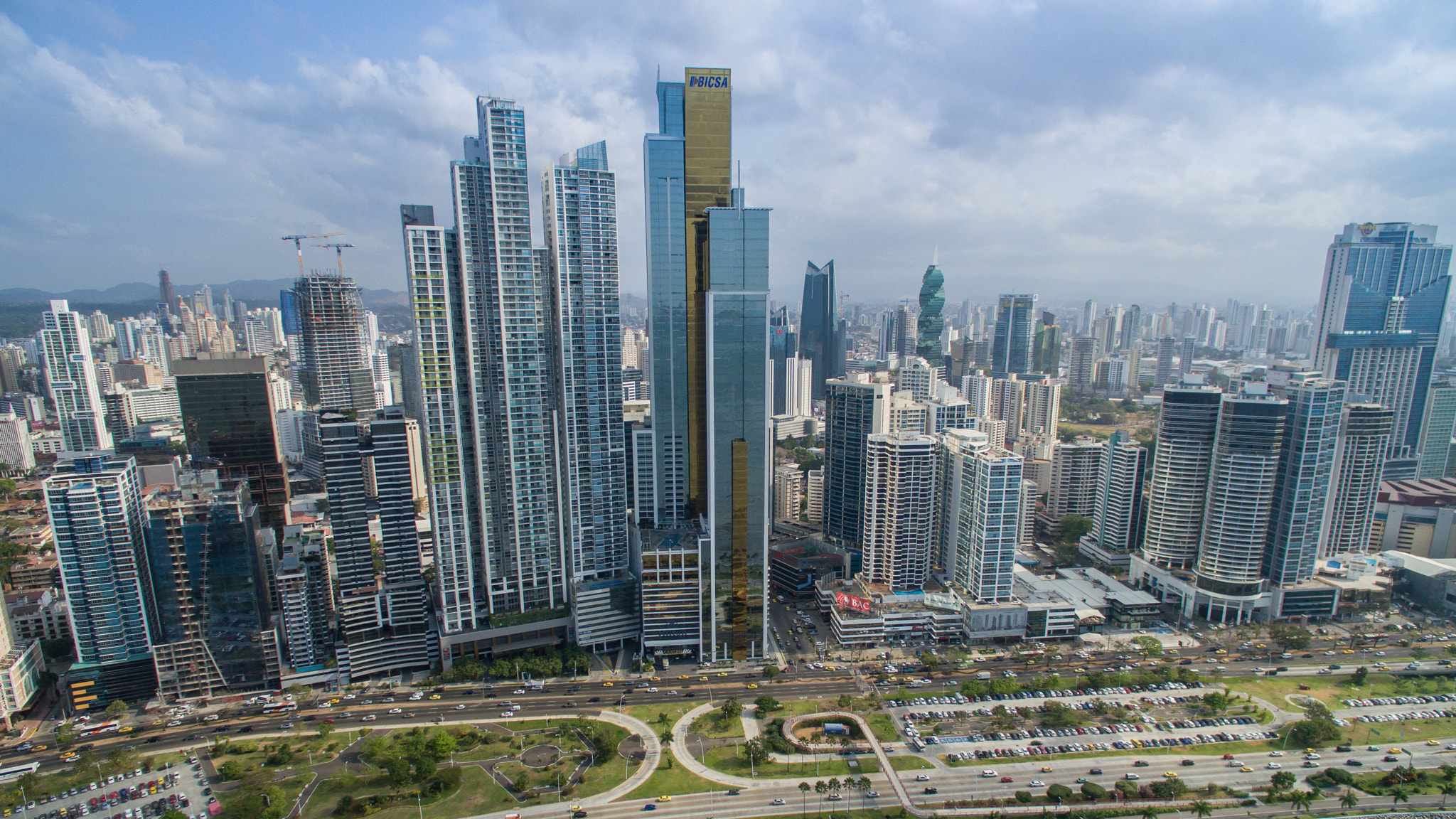
Best fits: Costa Rica (premium beach), Mexico CDMX (Polanco, Lomas), Buenos Aires (Recoleta, Palermo Soho), Panama City (premium high-rises), Uruguay (Punta del Este off-season). Premium private healthcare, US-quality amenities, frequent international travel, cultural access.
Tax math — three case studies for US retirees
Case 1: US couple, $60,000/year combined Social Security
Panama Pensionado: $1,000/month threshold easily met. Territorial tax — Panama doesn’t tax US Social Security. US-Panama tax treaty Article 18 makes US SS US-taxable only. Effective tax: ~$0-$3,000/year (mostly US federal, often $0 after standard deduction). Net retirement income: $57K-$60K.
Costa Rica Rentista: Slightly higher threshold ($2,500/month) but achievable. Territorial — CR doesn’t tax foreign SS. Caja mandatory health contribution: ~$120-$200/month for couple. Net: $54K-$57K.
Ecuador Pensioner: $1,425/month met. USD currency (no FX risk). World income taxed for residents but Social Security treaty-protected. Effective tax: ~$0-$2,000/year. Net: $58K-$60K. Lowest absolute cost in Latin America for this income tier.
Case 2: US couple, $120,000/year combined retirement income (SS + 401k + dividends)
Mexico Permanent Resident: $5,000/month met. Mexican tax on worldwide income with US-Mexico treaty handling double-tax. Effective combined: ~$15K-$22K/year. Net retirement: $98K-$105K.
Panama Pensionado: Territorial — only Panama-source income taxed (typically zero for retirees). US federal tax on worldwide ~$10K-$15K. Net: $105K-$110K — strongest math for this tier.
Uruguay Residencia Legal: 11-year tax holiday on foreign income. US federal only. Net: $107K-$112K, plus stability + safety premium that Uruguay uniquely provides.
Case 3: US couple, $250K+/year passive income + investment portfolio
Belize QRP: Zero Belize tax on foreign income + duty-free import. US federal tax only ~$45-$55K. Net: $195K-$205K. Plus duty-free vehicle/boat import — meaningful at this income level.
Panama Pensionado: Same territorial structure. With Pensionado discounts on travel + amenities used routinely at $250K lifestyle, net effective benefit comparable to Belize without QRP’s age 45 restriction.
Uruguay: 11-year tax holiday on foreign income. Plus Uruguay’s genuine safety + stability + EU-style infrastructure justifies higher cost. Net: ~$195K-$205K.
Healthcare deep-dive — what retirees actually experience
Best healthcare overall (LATAM tier)
Costa Rica consistently ranks at the top. Caja public + strong private system (Hospital CIMA, Hospital Clínica Bíblica) at 1/3-1/4 US prices. English-speaking specialists common in San José + Escazú. JCI-accredited facilities. Pharmacy + lab access excellent.
Best private healthcare (premium tier)
Mexico (ABC Medical Center, Hospital Ángeles in CDMX), Chile (Clínica Las Condes), Colombia (Clínica del Country in Bogotá, Hospital Pablo Tobón in Medellín), Panama (Hospital Punta Pacífica). All have JCI-style accreditations, English-speaking specialists, US-quality facilities at 1/3-1/2 US prices.
Adequate for routine, fly out for serious
Guatemala, Belize, Ecuador, Paraguay, Bolivia all have functional private healthcare for routine needs ($20-$60/visit). For major procedures (cardiac, complex cancer treatment, neurosurgery), most retirees travel to Mexico, Costa Rica, Colombia, or back to US.
The “expat density” factor most articles miss
Visa flexibility and cost matter less if there’s no community. Retirement communities cluster:
- Densest US/Canadian retiree community: Cuenca, Ecuador (~5,000+ North American retirees)
- Largest overall expat hubs: Mexico City (Roma Norte, Polanco), Mérida (US/Canadian + European), San Miguel de Allende (US/Canadian artists + retirees), Panama City + Boquete, Medellín (El Poblado, Laureles)
- Growing fast: Buenos Aires (Recoleta + Palermo Soho), Lisbon-of-the-Americas Montevideo + Colonia, Costa Rica’s Atenas
- Smaller but established: Belize’s Ambergris Caye, Cambodia’s Siem Reap, Sri Lanka’s Ella + Galle, Paraguay’s Asunción
Climate considerations
Year-round mild (60-78°F): Cuenca Ecuador, Medellín Colombia, Bogotá Colombia, Mexico City CDMX, Guatemala City + Antigua. These are the “City of Eternal Spring” climates that draw retirees fleeing both winter cold and tropical heat.
Tropical (80-90°F year-round): Coastal Mexico (Mérida, Playa del Carmen), Panama coast (Bocas del Toro), coastal Costa Rica (Tamarindo), Caribbean Colombia (Cartagena), Belize entire coast. Sun-seekers welcome; humidity tough June-October.
Mediterranean-style (warm dry summer, mild winter): Central Chile (Santiago + coast), central Argentina (BA + Mendoza), parts of Bolivia. Best for retirees from US west coast wanting familiar climate patterns.
Citizenship paths — when a second passport matters
Several Latin American retirement programs lead to citizenship faster than EU equivalents. Worth pursuing if you value a second passport for travel freedom, business flexibility, or political-risk insurance:
- Argentina: 2 years to eligibility — fastest in Americas. Argentine passport: 171 visa-free destinations.
- Paraguay: 3 years — passport gives Schengen visa-free access.
- Uruguay: 3-5 years (3 married, 5 single). Uruguay’s passport: 156 visa-free.
- Mexico: 5 years from PR. Mexican passport: 159 visa-free including Schengen + US (with ESTA).
- Brazil: 4 years from PR if from Portuguese-speaking country, otherwise 15 years.
- Panama: 5 years from Pensionado. Doesn’t recognize dual for US citizens technically (enforced loosely).
- Costa Rica: 7 years.
- Colombia, Ecuador, Peru, Chile, Belize, Guatemala: 5-10 years depending on country + circumstances.
When LATAM retirement does NOT make sense
- You require year-round US Medicare access — Medicare doesn’t work abroad. You can travel back for care, but it’s constraining.
- You have aging US parents requiring frequent visits — travel costs add up. Closer destinations (Mexico, Belize) work; Argentina/Chile (15-hour flights) don’t.
- You don’t want to learn ANY Spanish — Belize (English official) is the only viable option. Even there, Kriol + Spanish are common.
- You’re a US tax-resident with significant US business income — staying US-resident often simpler than navigating two systems.
- You’re uncomfortable with infrastructure variability — Latin America has world-class infrastructure in pockets but inconsistent overall. Stable WiFi, water pressure, power reliability all vary block-to-block.
Update history
- May 2026: Argentina post-Milei currency reforms substantially changed cost math. Updated Argentine cost figures reflect current realities.
- April 2026: Mexico tightened Temporary Resident income threshold; permanent threshold unchanged but consulate-level enforcement stricter.
- February 2026: Paraguay extended bank-deposit alternative path ($5,500 fixed deposit) eligibility
- January 2026: Costa Rica Caja contribution thresholds adjusted; budget retirees should plan for higher Caja than 2024 articles suggest
Additional FAQ
Can I qualify for multiple LATAM retirement visas simultaneously?
Legally yes — there’s no rule preventing dual residency. Practically, most retirees pick one country as primary tax residence and visit others. Some HNW retirees structure setups: Panama Pensionado for tax + USD currency, Uruguay residence as backup, Argentine citizenship pursuit for passport. Talk to a cross-border attorney.
What about COVID-style emergencies — can I get back to US?
All Latin American countries maintained some form of US repatriation through pandemic restrictions. US passport holders retain right to return regardless of pandemic restrictions. Most retirees have US-based emergency contacts + maintain US-based bank accounts as fallback.
How do US property taxes work if I keep my US home?
Keeping a US home is fine — you continue paying US property tax. If renting it out: 1099 income reporting requirements apply; foreign income offsets via FTC/FEIE don’t cover rental. Many retirees sell US home and rent abroad; others keep + rent to family. Talk to a cross-border CPA for your specific situation.
What about FATCA + FBAR reporting on LATAM bank accounts?
All Latin American countries listed are CRS reporters. FBAR (aggregate >$10K) + Form 8938 (FATCA, higher thresholds for residents abroad) apply. Plan for full transparency. See our FBAR + FATCA guide.
Related: full visa comparison · Best EU countries to retire · Best places to retire abroad.
✓ Last verified: May 26, 2026.
Further reading
- US F-1 student visa 2026: complete application guide, financial requirements, OPT and H-1B pathway
- Countries with golden visa programs in 2026: investment requirements, residency rights, citizenship pathways
- Erasmus+ 2026: monthly grants, how to apply, Erasmus Mundus Joint Masters, Turing Scheme for UK
- Masters in Australia for international students 2026: tuition, Student visa, post-study work permit
- Masters in Canada for international students 2026: tuition, Study permit, PGWP, Express Entry