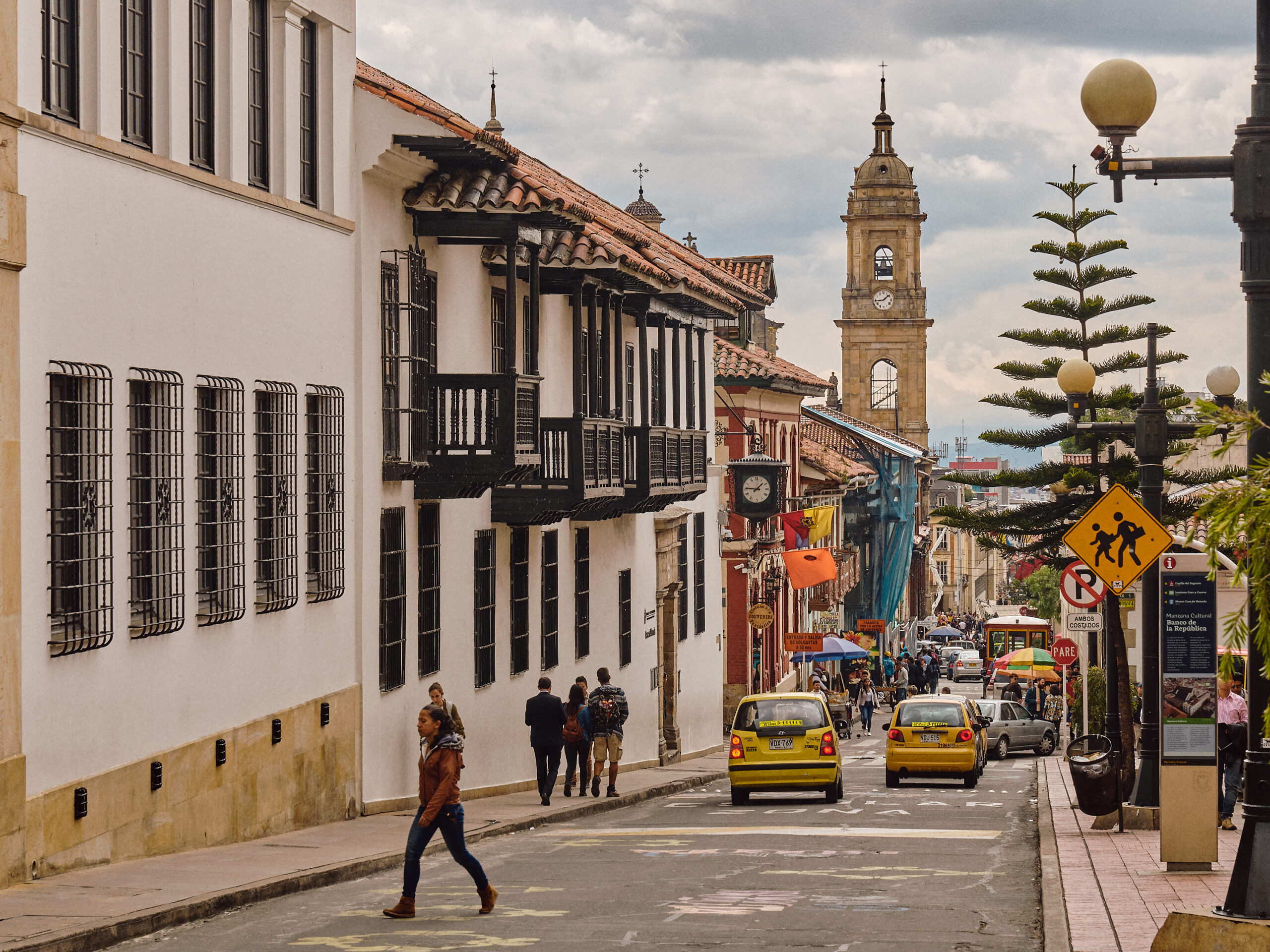
Colombia introduced its digital nomad visa in 2022 with one of the lowest income thresholds in the world ($700/month). Combined with growing nomad infrastructure in Medellín + Bogotá + spectacular scenery, Colombia is becoming a hot LatAm nomad destination.
Last verified: May 6, 2026.
Colombia digital nomad visa overview
- Initial validity: 2 years
- Renewable: 1-year extension possible (with continued income evidence)
- Income threshold: $700 USD/month or $8,400/year — one of the lowest globally
- Eligible: Most non-Colombian citizens with valid passport
- Cost: ~$220 USD application fee
- Application timeline: 2-8 weeks at consulate
- Path to residency: Yes, can lead to permanent residency after 5+ consecutive years
Why Colombia is so attractive for nomads
- Lowest income threshold: $700/month means most freelancers/employees easily qualify
- 2-year initial validity: longer than most LatAm nomad visas (vs Argentina’s 6 months)
- Path to residency: 5 years on nomad visa = permanent residency. Then citizenship 5 years later
- Affordable cost of living: Medellín $800-1,500/month for typical nomad lifestyle
- English friendly in tourism: Medellín has growing expat community + English commonly spoken
- Climate: Medellín ‘eternal spring’ — 65-78°F year-round at 5,000ft elevation
- Geographic diversity: beach + jungle + mountains + cities all in one country
Application process
Step 1: Apply at Colombian consulate
- Documents: passport, employment/freelance contract, bank statements (3-6 months at $700+/month), criminal background check (apostilled), proof of accommodation
- Health insurance: coverage valid for Colombia for the full visa duration
- Photos: 3 × 4 cm passport-style, white background
- Application fee: ~$220 USD
- Timeline: 2-8 weeks for consular processing
Step 2: Receive visa + travel to Colombia
Once approved, visa is sticker in passport. Within 90 days of issuance, travel to Colombia. After arrival, register at Migración Colombia within 15 days for cédula de extranjería (foreigner ID card).
Cost of living in Colombia
Medellín (most popular nomad destination)
- 1-bed in El Poblado (premium expat area): $700-1,200/month
- 1-bed in Laureles (more local feel): $400-700/month
- 1-bed in Envigado (residential): $300-500/month
- Groceries: $150-300/month
- Restaurants (mid-range): $10-25 per dinner for two
- Coworking (Selina, BukyMaki, Tinkko): $100-200/month
- Total mid-range nomad: $800-1,800/month
Bogotá (capital)
- 1-bed in Chapinero or Zona G: $400-700/month
- Total mid-range: $1,000-1,800/month
- Pros: business hub, more cosmopolitan, growing tech scene, easier access to flights
- Cons: 8,600ft altitude (some people struggle), cool weather, larger + busier than Medellín
Cartagena
- 1-bed in Old City or Bocagrande: $700-1,500/month
- Total mid-range: $1,200-2,500/month (premium for tourist destination)
- Pros: Caribbean coast, beautiful Old City, beaches
- Cons: hot + humid year-round, expensive for Colombia, smaller community
Cali
- 1-bed: $300-600/month
- Total mid-range: $700-1,300/month
- Pros: ‘Salsa Capital of World’, warm weather, very affordable, less expat-saturated
- Cons: Spanish-only, smaller infrastructure, safety concerns in some areas
Internet + infrastructure
- Fiber internet (Movistar, Claro): 100-300 Mbps widely available in major cities. $20-30/month
- Mobile 4G/5G: excellent coverage in cities. Tourist SIM $10-15/30 days for unlimited basic + 8 GB
- Coworking density: Medellín has 30+ coworking spaces. Bogotá similar. Other cities limited
- Power reliability: generally good. Occasional outages during heavy rain in mountain areas
Safety considerations
Colombia’s reputation has improved dramatically since the 1990s, but realistic awareness still required:
- Major nomad areas (El Poblado, Laureles, Chapinero, Zona G): low crime rates, comparable to mid-range US cities
- Stay alert: phone snatching by motorcycle thieves possible in major cities. Don’t display expensive electronics openly
- Avoid: Comuna 8, 13 (older parts of Medellín after dark), poor districts of Bogotá, isolated areas after dark
- Drug-related crime: very low for foreigners not involved in drug trade. Some tourist scams (‘lower than usual’ bars, etc.)
- ‘Burundanga’ (scopolamine): rare but real. Don’t accept drinks/cigarettes from strangers, especially in nightlife districts
- Use Uber: safer + cheaper than street taxis. Always vet before trusting
Best neighborhoods in Medellín for nomads
- El Poblado: premium expat district. Restaurants, coworking, English speakers. More expensive but most amenities. Subdivisions: Provenza (trendy), Lleras (party), Manila (residential)
- Laureles: charming residential area, parks, bookstores, walking-friendly. Less English but more authentic Colombian feel
- Envigado: family-friendly residential. Cheaper. More Colombian than expat
- El Centro: avoid for housing — touristic + traffic chaos
Day-to-day life on Colombia nomad visa
Banking + payments
- Wise + Western Union: primary money management for foreigners. Fees lower than Colombian bank options
- Bancolombia or Davivienda for local banking: needed for utilities + Spanish-language services. Open after getting cédula
- Tipping: 10% at restaurants. Small tips for taxis ($1-2)
Health insurance + healthcare
- Mandatory private health insurance: required for nomad visa. SafetyWing or Cigna Global widely accepted
- Public healthcare (Sisbén): accessible to residents but slow + low quality
- Private healthcare: excellent in Medellín + Bogotá. World-class hospitals (Hospital Pablo Tobón Uribe, San Vicente Fundación)
Spanish language
Spanish is essential for daily life outside El Poblado / Zona G expat bubbles. Many nomads take 2-4 weeks of immersion classes on arrival ($200-400 for full course). Medellín Spanish has clearer accent than Caribbean coast, easier for learners.
Common mistakes Colombia nomad visa applicants make
- Insufficient English in expectations: Medellín El Poblado has English speakers, but most of Colombia is Spanish-only
- Underestimating altitude: Bogotá at 8,600ft causes real altitude sickness for some. Medellín at 5,000ft fine for most
- Ignoring rainy season: April-May + September-November have heavier rain. Plan accordingly
- Booking tourist apartments first time without long-stay: negotiate 30-90 day rentals directly with landlords for 30-50% discount
- Not getting cédula promptly: 15-day window after arrival. Without it, can’t open bank account, sign formal lease
- Counting on local job market: nomad visa specifically EXCLUDES Colombian employer income. Stay paid by foreign employer
Pathway to permanent residency + citizenship
Colombia rewards long-term commitment:
- 5 years continuous residence on nomad visa: apply for permanent residency
- 5+ years on permanent residency: apply for citizenship
- Total: 10 years to Colombian passport: visa-free travel to 130+ countries
Colombia accepts dual citizenship. Many nomads end up staying long-term.
Bottom line: Colombia for nomads
Colombia is excellent if: you want lowest barrier to entry (income threshold), eternal-spring climate (Medellín), genuine path to residency, growing expat community. Colombia is not great if: you need pure English environment, prefer European infrastructure, want minimum bureaucracy.
Related: Argentina digital nomad visa · best digital nomad visas ranked.
✓ Last verified: May 6, 2026.
See it in context: compare this visa against 35+ other nomad, freelancer, and retirement visas worldwide in the comprehensive visa comparison — income thresholds, tax treatment, family rules, path to PR. Updated quarterly from official immigration sources.
Further reading
- Cost of living in Málaga, Spain 2026: digital nomad and expat budget
- Cost of living in Buenos Aires, Argentina 2026: expat monthly budget
- Cost of living in Split, Croatia 2026: expat and digital nomad budget
- Cost of living in Porto, Portugal 2026: expat monthly budget
- Cost of living in Penang, Malaysia 2026: expat monthly budget