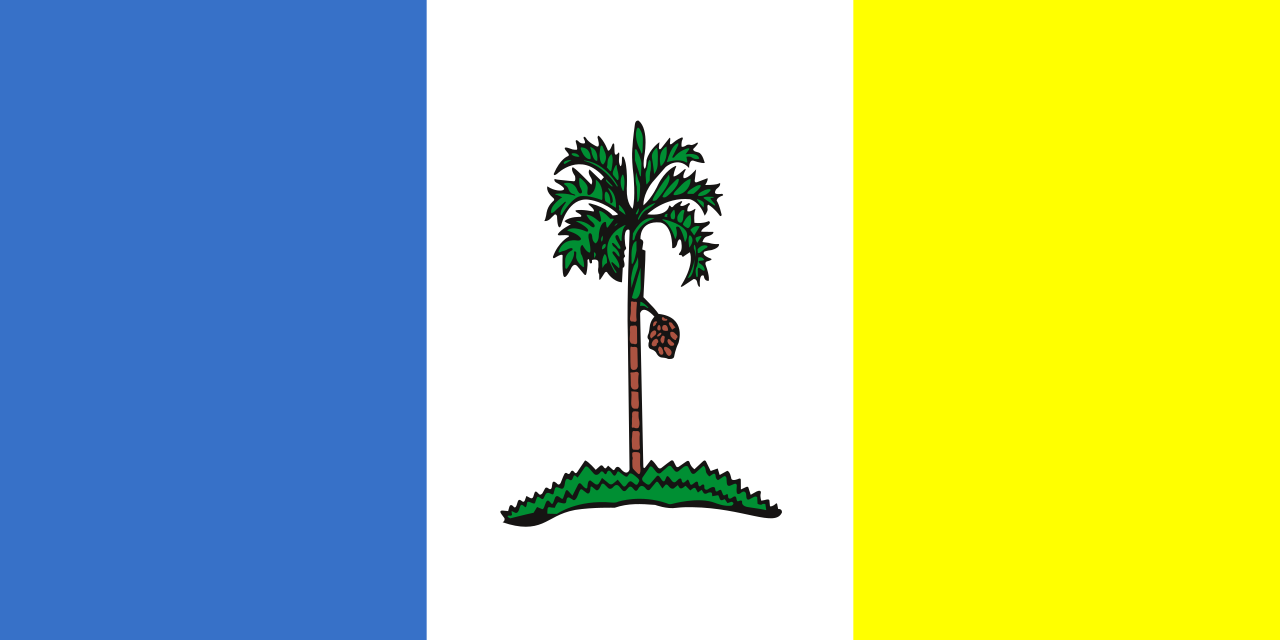
Penang — specifically George Town — is Southeast Asia’s best-kept expat secret: a UNESCO Heritage city with extraordinary street food, world-class hospitals, English infrastructure, and a long-stay visa programme that welcomes retirees and financially independent residents. Here is the 2026 cost breakdown.
Currency: Malaysian Ringgit (MYR). Approximate USD equivalents used. 1 USD ≈ 4.7 MYR. Monthly estimates based on July 2026 data.
| Category | Budget | Comfortable | Premium |
|---|---|---|---|
| Accommodation (furnished 1-bed) | $400–$650 | $650–$1,100 | $1,100–$2,200 |
| Food and eating out | $200–$350 | $350–$550 | $550–$900 |
| Transport (Grab + occasional car) | $50–$100 | $100–$180 | $180–$350 |
| Utilities (electric, water, internet, AC) | $70–$120 | $120–$200 | $200–$400 |
| Entertainment, gym, social | $80–$150 | $150–$280 | $280–$600 |
| Total monthly estimate | $800–$1,370 | $1,370–$2,310 | $2,310–$4,450 |
Why Penang stands out
- English is widely and naturally spoken at all levels — a legacy of British colonial history that persists through education and commerce.
- Penang’s MM2H (Malaysia My Second Home) is one of Asia’s most well-known long-stay programmes for financially independent residents.
- Medical tourism hub — Penang Adventist Hospital and Gleneagles Medical Centre are internationally accredited and attract patients from Australia and Europe.
- UNESCO World Heritage George Town — exceptional heritage shophouse architecture, vibrant street art scene, and a multicultural identity (Malay, Chinese, Tamil, British colonial layers).
- Penang is cooler than Kuala Lumpur due to sea breezes and lower humidity, and has beach access to the north (Batu Ferringhi).
- Strong internet infrastructure — TM Unifi and Maxis both offer 100 to 500 Mbps from MYR 80 to 170 (USD 17 to 36) per month.
Where to live in Penang
George Town (Heritage Zone): restored shophouses within the UNESCO Heritage Zone, unique architecture and walking access to hawker centres and cafés. 1-bed furnished from USD 500 to 900. Gurney Drive and Gurney Paragon: upscale seafront condominiums, walking distance to the Straits Quay promenade. USD 700 to 1,200. Batu Ferringhi: beach-side living north of George Town — larger villas, quieter residential feel, requires transport to the city. USD 600 to 1,200.
Penang’s legendary food culture
Penang has been named Asia’s best street food city by multiple food publications and it earns the title. The city’s multi-ethnic population (Malay, Chinese Hokkien and Cantonese, Tamil Indian) has produced a cuisine that blends all three traditions. Char kway teow (stir-fried flat rice noodles), Penang asam laksa (sour spicy fish noodle soup), nasi kandar (mixed rice with Indian-Muslim gravies), cendol (shaved ice dessert) — all are iconic dishes.
A full hawker centre meal costs MYR 8 to 15 (USD 1.70 to 3.20). Kopitiams (traditional coffee shops) serve kaya toast with half-boiled eggs and white coffee for MYR 5 to 8 (USD 1.05 to 1.70). Western restaurants in George Town charge USD 10 to 20 per head. A week of groceries at Jaya Grocer or Cold Storage for one person: USD 40 to 60.
Healthcare: why Penang is a medical tourism hub
Penang Adventist Hospital, Gleneagles Medical Centre Penang, and Island Hospital are internationally accredited and offer care at 30 to 50 percent of Australian or UK prices. This attracts retirees from Australia in particular. A specialist consultation costs USD 30 to 70. A full knee replacement that costs USD 35,000+ in Australia runs USD 10,000 to 15,000 in Penang with comparable outcomes at accredited facilities. International health insurance for Malaysia costs USD 80 to 160 per month.
The MM2H visa — what you need to know in 2026
Malaysia’s My Second Home (MM2H) programme was revamped and tightened significantly in 2021. The current main MM2H programme requires applicants to demonstrate liquid assets of MYR 1,500,000 (approximately USD 320,000) and monthly offshore income of MYR 40,000 (approximately USD 8,500). These requirements exclude most younger applicants but suit retirees or high-net-worth individuals.
Alternatives: the Sarawak MM2H (different state, different requirements) and Penang’s Perak My Second Home are sometimes cited but have their own conditions. Processing takes 3 to 6 months and must go through an approved agent. The programme grants a 5 to 10 year multiple-entry social visit pass with the right to purchase property.
Visas for shorter stays
Most Western passport holders can enter Malaysia visa-free for 90 days. For stays of 3 to 6 months without MM2H, many visitors use the Social Visit Pass (extendable for 60 days at immigration offices). Working remotely on a tourist visa is technically not permitted but widely done — verify current enforcement before relying on this route.
Penang Island is connected to the mainland by bridge and ferry. If you rent in George Town, you are largely self-contained — the airport, main hospitals, shopping malls, and beaches are all on the island. A car is not essential in George Town but makes weekends (Batu Ferringhi, Penang Hill) much easier.
Is Penang right for you?
Penang suits retirees seeking Asia’s best healthcare at affordable prices, remote workers who want English-language infrastructure and reliable internet, and food enthusiasts who take that criterion seriously in choosing where to live. It lacks the digital nomad infrastructure of Bali or Chiang Mai and the nightlife of Medellín or Tbilisi, but offers a quality of daily life — food, healthcare, sea access, cultural depth — that is difficult to match at the same price point.
Further reading
- Cost of living in Budapest, Hungary 2026: expat monthly budget
- Cost of living in Medellín, Colombia 2026: monthly budget for expats
- Cost of living in Chiang Mai, Thailand 2026: monthly budget for expats
- Cost of living in Bali, Indonesia 2026: monthly budget for expats
- Cost of living in Tbilisi, Georgia 2026: monthly budget for expats