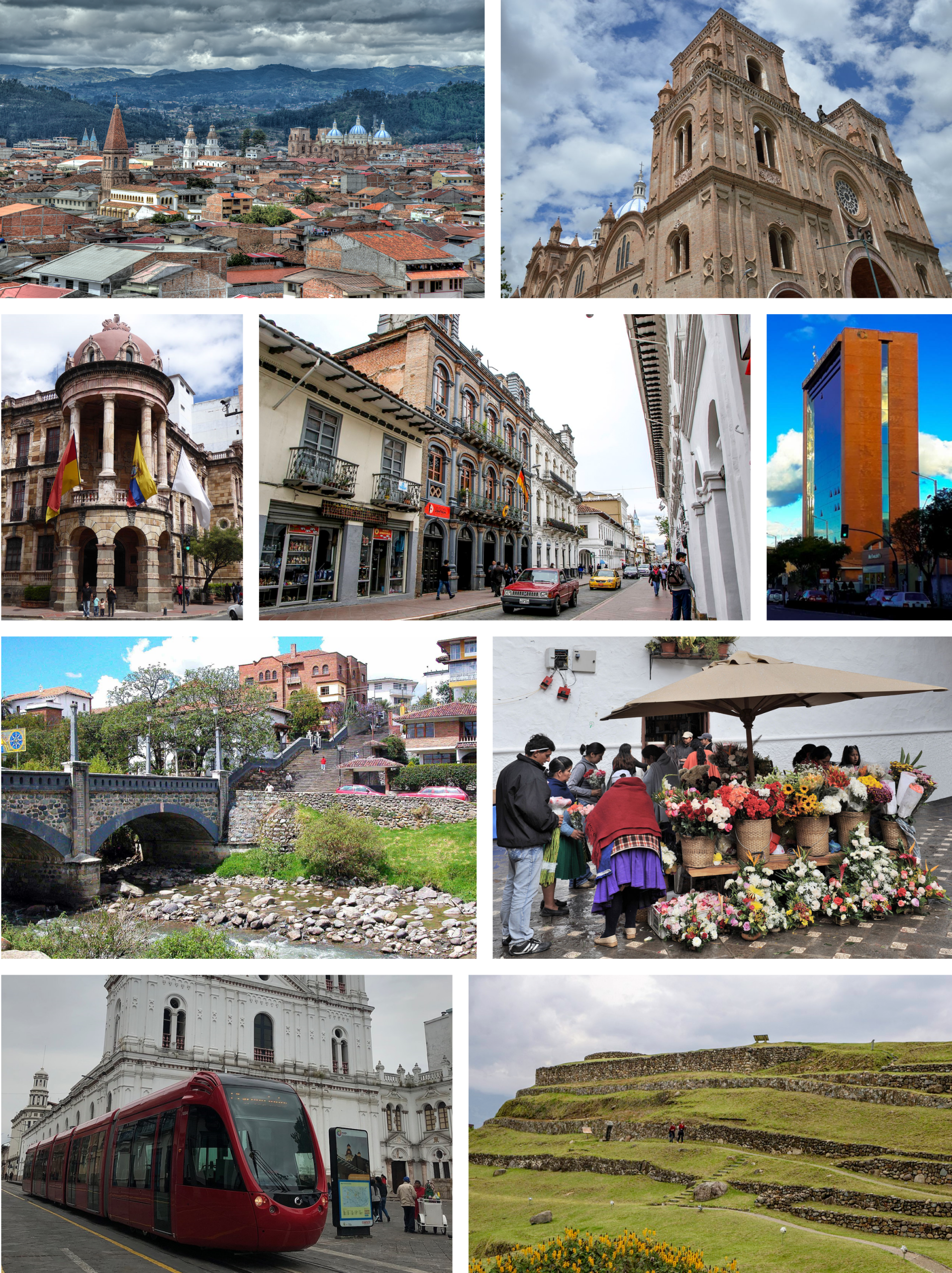
Ecuador’s Pensioner visa is the budget retiree’s dream — $1,425/month threshold, USD currency, world-class healthcare in Cuenca for ~$1,800/month real lifestyle. Verified 2026 detail.
Last verified: May 26, 2026.
Pensioner Visa (Jubilado) overview
- Income threshold: 3x minimum wage (~$1,425 USD/month, 2026)
- Validity: 2-year residence initial, PR after 21 months
- Cost: ~$450 USD government fee + lawyer fees
- Currency: USD official (no FX risk)
- Pensioner discounts: 50% on transport, entertainment, sporting events; tax exemption on first $13,394 of income
Why Ecuador works
- USD official currency — zero FX risk
- Cuenca is the famous expat retirement hub — Andes climate, colonial architecture, $1,500-1,800/month real lifestyle
- Galápagos + Amazon + Andes + Pacific coast — wildly diverse for a small country
- Senior tax exemption + 50% discounts at age 65+
Eligibility requirements
- Pension or guaranteed lifetime income $1,425+/month
- Apostilled pension certification
- Criminal record check (apostilled, Spanish-translated)
- Health certificate
- Health insurance OR private healthcare arrangements
Cost of living — Ecuador 2026
- 1-bed Cuenca (El Centro): $400-650/month
- 1-bed Quito (La Floresta, Mariscal): $400-700/month
- 1-bed Vilcabamba (alternative expat hub): $300-500/month
- Restaurant almuerzo (set lunch): $3-5
- Couple comfortable monthly: $1,400-2,200 USD
FAQ
Why is Cuenca so popular with US retirees?
Cuenca consistently ranks #1 in International Living’s retire-abroad index. UNESCO-listed colonial center, mild Andes climate (60-75°F year-round), $1,500-1,800/month real lifestyle, strong English-speaking expat community, modern hospitals.
Pensioner Visa (Jubilado) application — step by step
Step 1. Apply at Ministerio de Relaciones Exteriores (MRE) office in Ecuador OR at Ecuadorian consulate abroad. Most applicants enter on tourist visa first then apply in-country.
Step 2. Required: 3x Ecuadorian minimum wage proof (~$1,425/month in 2026), apostilled pension certification, criminal record (apostilled + Spanish), Ecuadorian doctor health certificate.
Step 3. Application fee: ~$450 USD government.
Step 4. Processing: 60-90 days typical.
Step 5. Receive temporary residence visa (2 years) + cédula. After 21 months continuous residency, apply for permanent residency.
Step 6. Naturalization eligible after 3 additional years (5 years total). Ecuador permits dual citizenship.
Banking + practical setup in Ecuador
Major banks: Banco Pichincha, Banco del Pacífico, Produbanco, Banco Guayaquil.. Banco Pichincha + Banco del Pacífico are most foreigner-friendly. USD is official currency — no FX risk. Account opening requires cédula + passport + utility bill.
Cultural notes for newcomers
Ecuador combines Andean (Quito, Cuenca), Pacific coast (Manta, Salinas), and Galápagos cultures. Strong indigenous heritage especially in highland regions. Spanish essential; Quechua widely spoken in rural Andes. Cuenca’s expat community (~5,000 US/Canadian retirees) is the densest in Latin America.
Real cost of living + practical lifestyle
Cuenca couple lifestyle: $1,500-$2,200/month including healthcare. Vilcabamba (alternative hub): $1,200-$1,800. Galápagos premium pricing (visiting only). Healthcare: Hospital Monte Sinaí (Cuenca), Hospital Metropolitano (Quito) — private insurance $80-$200/couple/month.
Most common newcomer pitfall
Cédula issuance can take 2-4 months after visa approval — without it, banking + healthcare access is limited. Get a Wise account before arrival to bridge this gap.
How Ecuador compares to peers
Vs Peru: Ecuador uses USD (no FX risk) + cheaper than Lima. Peru has stronger food scene (Lima top-5 globally) + Machu Picchu. Vs Colombia: Ecuador cheaper but smaller expat infrastructure outside Cuenca.
Additional FAQ
Best time to arrive in Ecuador?
Most LATAM administrative offices slow significantly during Christmas/New Year + Easter Week (Semana Santa). January (post-holiday catch-up) and September-November tend to be the smoothest months for residency applications, banking, and rental searches.
Can I bring my US/EU/Canadian driver license?
Most LATAM countries honor foreign driver licenses for 90-180 days as a tourist. After residency, you generally need to obtain a local license — sometimes via simple conversion (Costa Rica, Panama, Mexico), sometimes via local test (Brazil, Argentina). International Driving Permit (IDP) recommended for the transition period.
Healthcare for retirees in Ecuador?
Public systems vary widely (Costa Rica’s Caja excellent; Bolivia’s very limited). Most expat retirees combine: cash for routine care (often dramatically cheaper than US — $30-60 specialist visits), private insurance for catastrophic ($100-$400/couple/month for Cigna, Bupa, local equivalents), and travel back to home country for very complex procedures if needed.
Why this country in 2026 specifically
Ecuador’s 2026 retirement story is Cuenca-driven. Of US/Canadian retirees in Latin America, Cuenca’s ~5,000-strong community is the densest single concentration — bigger than Boquete, Atenas, or Antigua Guatemala combined. The combination of USD official currency, Andean year-round spring climate, $1,500-$1,800/month real lifestyle, UNESCO colonial heritage, and modern healthcare creates a uniquely retiree-optimized environment.
Ecuador’s 2024 political instability (state of emergency, gang violence in Guayaquil + coastal regions) has affected coastal real estate and tourism. Cuenca + Quito + Galápagos remain stable and consistently safe per US State Department + UK FCDO advisories. Most US retirees in Cuenca report safety levels matching or exceeding their US home cities. The “International Living” magazine rankings consistently rate Cuenca top 1-3 globally for retirement value.
Even more FAQ
How is Ecuador affected by the 2024 security situation?
Coastal cities (Guayaquil, Manta, Esmeraldas) have seen elevated gang activity. Cuenca, Quito (north + central districts), Cotacachi, Vilcabamba — all retirement-popular areas — remain stable. Embassies advise standard caution; daily life for established expats is largely unchanged. Tourism numbers have dropped, which has paradoxically reduced prices for new arrivals.
Is Cuenca actually accessible — flights, healthcare, supermarkets?
Cuenca’s Mariscal Lamar airport has multiple daily flights to Quito + Guayaquil; international connections via either hub. Hospital Monte Sinaí + Hospital Universitario del Río are JCI-quality private hospitals. Supermarkets (Coral, Supermaxi) carry imported goods at premium prices. Spanish required for most daily life outside expat circles.
Related: full visa comparison · Mexico Temporary Resident · Best places to retire abroad.
✓ Last verified: May 26, 2026.
Further reading
- Netherlands visa guide 2026: DAFT, startup visa, highly skilled migrant and more
- Turkey residency guide 2026: short-term permit, property route and citizenship
- Costa Rica visa guide 2026: pensionado, rentista and investor residency
- Georgia visa and residency guide 2026: the ultimate low-tax expat base
- Panama visa guide 2026: Pensionado, Friendly Nations and investor routes