A gap year can cost $5,000 if you backpack frugally in Southeast Asia, or $40,000 if you spend a year in Western Europe in private rooms. Here are realistic 2026 budgets by destination, with breakdowns.
Last verified: May 5, 2026.
The big variables
Recommended insurance
World Nomads — built for adventure travel + gap years
Covers 200+ activities (hiking, scuba, surfing, motorbiking), lost gear + electronics, trip cancellation, and emergency medical evacuation. Buy coverage from anywhere, extend on the road, claim online.
Get a quote → affiliate link — we earn a commission, you pay nothing extra
- Destination cost level — Cambodia is 1/8 the cost of Switzerland
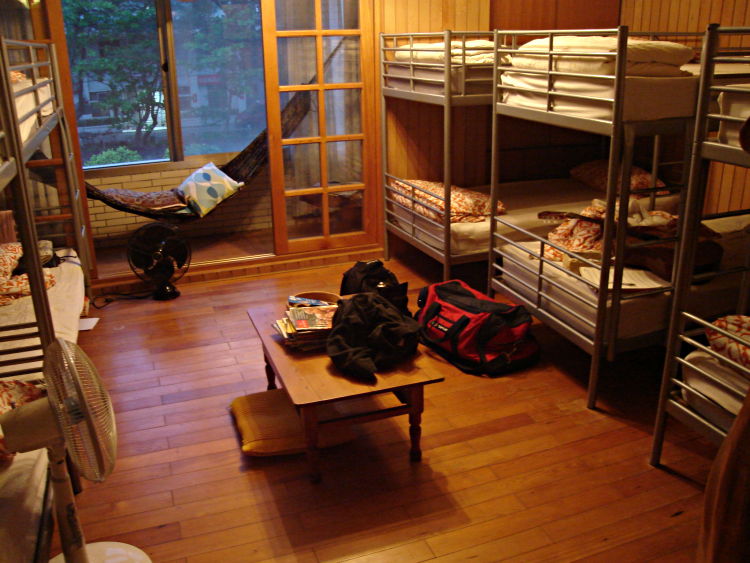
- Accommodation type — dorms vs private rooms vs Airbnb (3× range)
- Transportation — trains/buses vs flights between cities
- Food — street food vs restaurants (4× range)
- Activities — free walking tours vs paid excursions
Realistic 12-month budgets by region
Southeast Asia (cheapest)
| Tier | Daily budget | Annual |
|---|---|---|
| Frugal backpacker | $25–$35 | $9,000–$13,000 |
| Mid-range | $50–$75 | $18,000–$27,000 |
| Comfortable | $100+ | $36,000+ |
Hostel dorm $7–$15. Street food meal $1.50–$5. Inter-city overnight buses $10–$30. Local SIM with data <$10/month. Activities mostly free or under $10.
Latin America
| Tier | Daily budget | Annual |
|---|---|---|
| Frugal backpacker | $30–$45 | $11,000–$16,500 |
| Mid-range | $60–$90 | $22,000–$33,000 |
Mexico, Guatemala, and Bolivia are the cheapest. Chile and Costa Rica are the most expensive. Argentina has fluctuated wildly with inflation; check current rates.
Western Europe
| Tier | Daily budget | Annual |
|---|---|---|
| Frugal backpacker | €55–€80 | €20,000–€29,000 |
| Mid-range | €100–€140 | €36,500–€51,000 |
Eastern Europe (Poland, Czech, Hungary, Romania) is 30–50% cheaper than Western Europe. Spain, Portugal, Greece are mid. UK, Switzerland, Iceland are expensive.
Australia + New Zealand
| Tier | Daily budget | Annual |
|---|---|---|
| Working holiday (work funds travel) | net cost AU$5,000–$10,000 | |
| Tourist | AU$120–$200 | AU$44k–$73k |
Cost breakdown by category (12-month avg)
For a typical $20,000 mid-range gap year:
- Flights: $2,500–$4,000 (depends on RTW vs piecemeal)
- Accommodation: $5,000–$8,000
- Food: $4,000–$6,000
- Transport in-country: $1,500–$3,000
- Activities + tours: $1,500–$3,000
- Insurance: $400–$1,200 (SafetyWing ~$56/mo)
- Visa fees: $200–$1,000
- Buffer for emergencies: $1,000+
How to cut costs significantly
- Stay longer in fewer places — weekly/monthly Airbnb rates are 30–50% cheaper than nightly
- Workaway / WWOOF — 5–25 hours/week for free accommodation
- Couchsurfing — still works in many cities
- Cook your own meals — even from hostel kitchens. Saves 50% on food costs
- Slow travel — trains/buses, not flights
- Off-season — shoulder seasons cut accommodation by 30–50%
- Working holiday visas — turn cost into income
Sample budgets by trip type
- 3-month Southeast Asia backpack: $4,000–$6,500
- 6-month Latin America overland: $7,500–$12,500
- Year in Europe (mid-range): €20,000–€30,000
- Year working holiday in Australia: net cost AU$5,000–$10,000 (some save AU$10,000+)
- Year of Workaway hopping: $5,000–$8,000 (the cheapest possible gap year)
For specific destinations, see our cost breakdowns: Lisbon real expenses, Mexico City real expenses, Madrid vs Barcelona.
✓ Last verified: May 5, 2026.
Final practical advice
Plan your timing carefully — many of the costs and complexities described above can be reduced significantly with even basic advance preparation. Researching 2-3 months ahead of any major commitment, asking questions of people who have already been through the process, and giving yourself buffer time for the inevitable surprises will save you both money and stress.
Save the resources mentioned in this guide. Bookmark the official government websites, sign up for email updates from major service providers, and join 2-3 online communities specific to your destination or situation. The pre-trip research investment pays back exponentially during the trip itself.
If anything in this guide is no longer accurate (rules change frequently), please reach out via our contact page so we can update. We refresh content quarterly and welcome community corrections.
Further reading
- Gap year vs going straight to university 2026: the research, employer data, and how to frame it
- Best gap year travel and study programs worldwide 2026: language immersion, accredited courses, costs
- Best gap year programs for UK students 2026: providers, funding, what employers think
- Best gap year programs worldwide 2026: structured programs, costs, how to choose
- UK Youth Mobility Scheme 2026: eligible countries, costs, how to apply