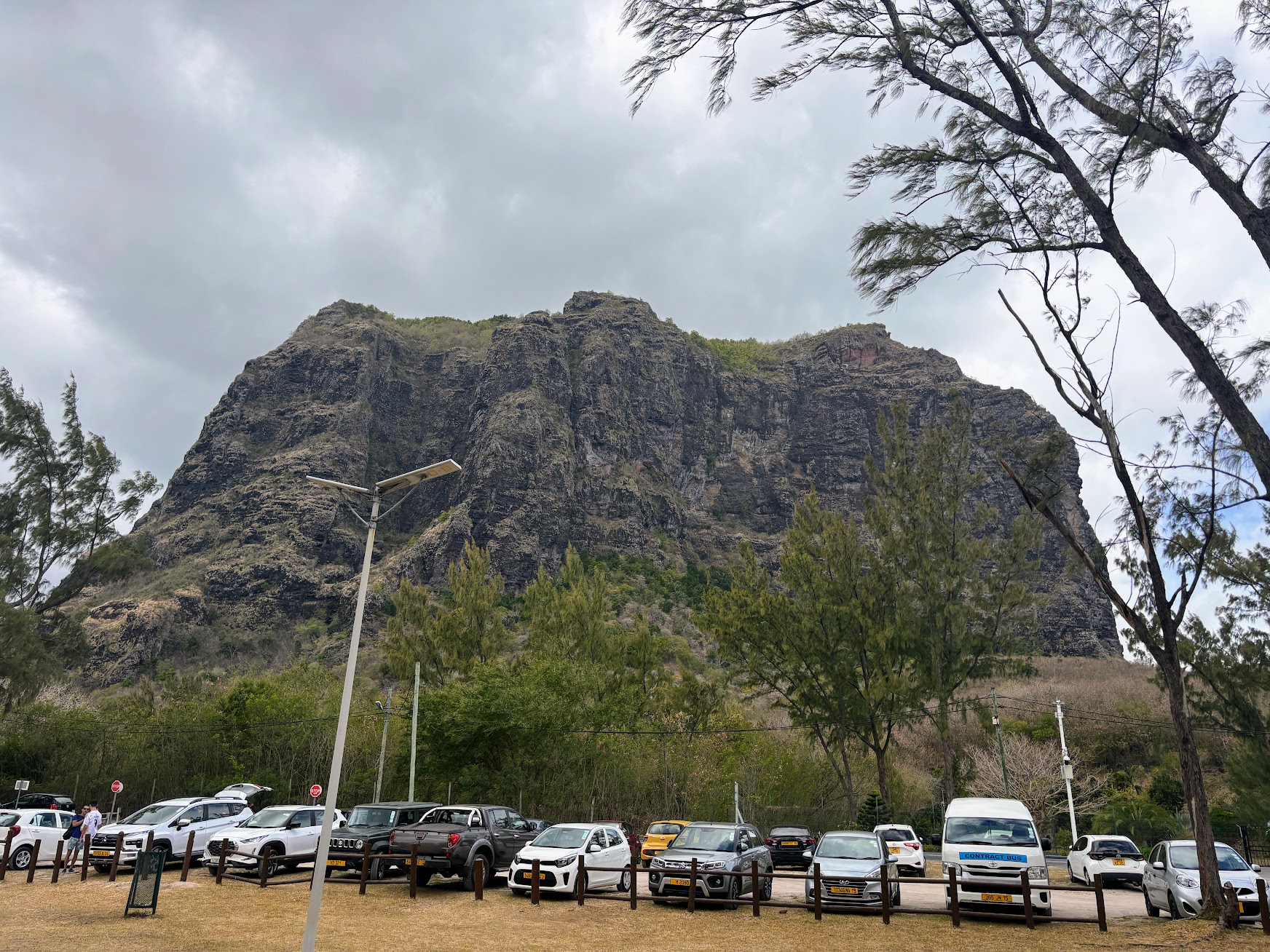
Mauritius launched its Premium Visa in 2020 specifically targeting remote workers + retirees. With one of the lowest income thresholds in Africa ($1,500/month), strong English-speaking infrastructure, 100% literacy, and the unique tax rule of 0% on foreign income that isn’t remitted to Mauritius — it’s quietly become one of the smartest Indian Ocean bases for nomads.
Last verified: May 26, 2026.
Mauritius Premium Visa overview
- Validity: 1 year, renewable indefinitely
- Income threshold: $1,500/month minimum ($18,000/year)
- Eligibility: non-Mauritian remote workers, retirees, professionals
- Cost: Free of charge — no application fee
- Tax: 0% on foreign income NOT remitted to Mauritius. If remitted, 15% flat tax (but visa holders typically don’t remit; they spend USD/EUR directly)
- Family: spouse + dependents can join under the same visa
Why Mauritius works for remote workers
- Lowest African nomad-visa threshold: $1,500/month vs South Africa’s $3,000
- English-speaking + French + Creole: three official languages
- Stable democracy: peaceful since independence (1968)
- Indian Ocean paradise: 1,000+ km of beaches, world-class diving, lagoons
- Strong banking sector: Mauritius is a major offshore financial center; HSBC, Standard Chartered, AfrAsia all present
- Time zone bridge: UTC+4 — good for EU + Asia overlap
- Internet: fiber widely available, 50-200 Mbps for $35-70/month
Where expats live in Mauritius
Grand Baie / Tamarin (north + west — beach focused)
Grand Baie: north coast resort town with bars, restaurants, marina. 1-bed apartment MUR 25,000-50,000/month (~$540-1,080). Tamarin (west): surfer + remote-worker enclave, dolphins offshore, quieter. 1-bed MUR 22,000-40,000/month (~$475-865).
Black River / Le Morne (west — premium)
Luxury coastal estates, high-end real estate, kitesurfing world-class. 1-bed MUR 35,000-70,000/month (~$760-1,510).
Port Louis (capital — practical base)
Business + government hub. Lower rent inland. Not beach-adjacent. 1-bed MUR 18,000-28,000/month (~$390-605).
Cost of living — Mauritius 2026
- 1-bed Grand Baie apartment: MUR 28,000-45,000/month (~$605-975)
- Restaurant meal: MUR 350-800 (~$7.50-17.30) mid-range
- Coworking (Hive, Le Hub): MUR 6,000-12,000/month (~$130-260)
- Petrol: MUR 70/litre (~$1.50)
- Couple comfortable monthly: MUR 65,000-110,000 (~$1,400-2,375)
Tax on Mauritius Premium Visa — the foreign-income angle
Mauritius taxes residents on foreign income only if REMITTED into Mauritius. Premium Visa holders are tax-resident but they typically keep foreign income in foreign banks (Wise, Schwab, foreign HSBC) and spend via debit card. The card transactions don’t count as ‘remitted’ in the strict legal sense — they’re treated as direct purchases.
Practical: many Premium Visa holders structure to pay 0% Mauritian tax legally. Talk to a Mauritian tax advisor before assuming — the rules require careful structuring.
FAQ
Can I bring my pet to Mauritius?
Yes, with health certificates + rabies vaccine + microchip + import permit. Quarantine may apply depending on origin country. Allow 4-6 months prep.
Is Mauritius safe?
Yes — consistently ranked among Africa’s safest countries. Standard precautions in cities (no flashing valuables); rural areas very safe.
Path to permanent residency?
After 3 years on Premium Visa (renewed annually), you can apply for Permanent Residence Permit which gives 20-year status. Citizenship requires 5+ years residency + Mauritian language proficiency.
Related: visa comparison · South Africa Remote Work Visa.
✓ Last verified: May 26, 2026.
Further reading
- Netherlands visa guide 2026: DAFT, startup visa, highly skilled migrant and more
- Turkey residency guide 2026: short-term permit, property route and citizenship
- Costa Rica visa guide 2026: pensionado, rentista and investor residency
- Georgia visa and residency guide 2026: the ultimate low-tax expat base
- Panama visa guide 2026: Pensionado, Friendly Nations and investor routes