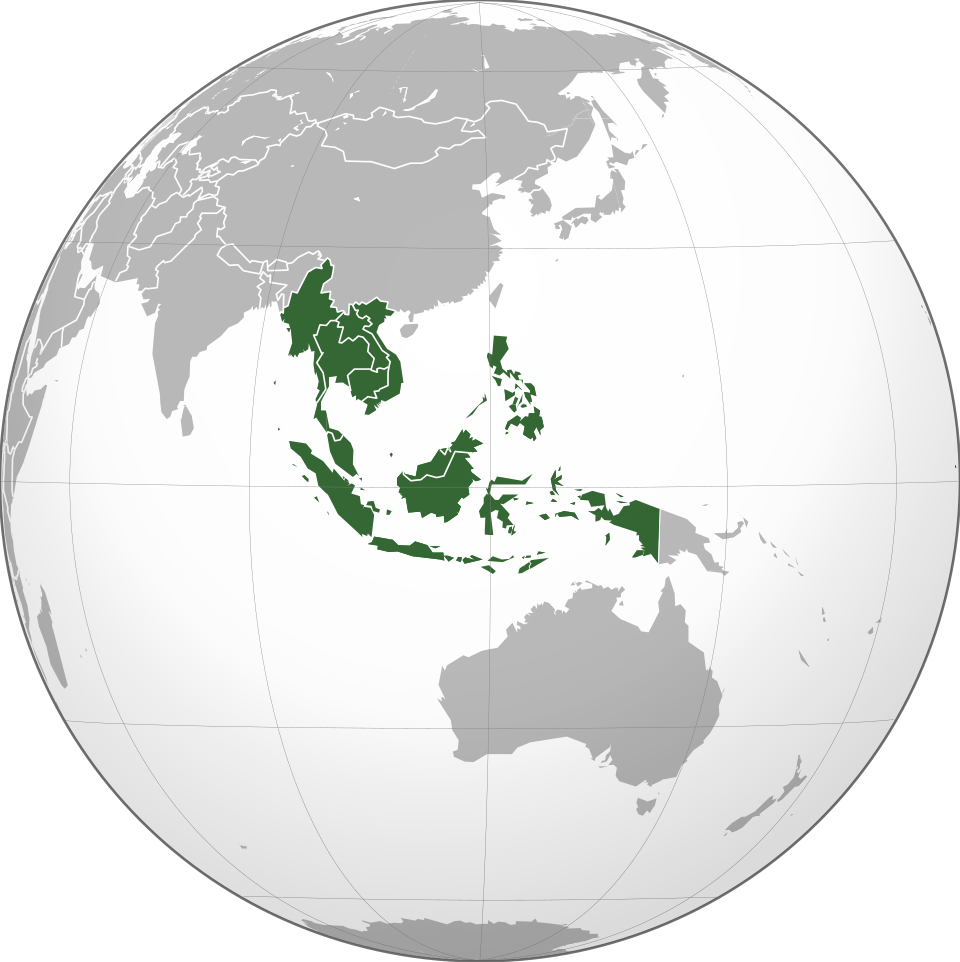
Southeast Asia, Eastern Europe, and Latin America each attract hundreds of thousands of digital nomads and long-stay expats. Each region has a different character, different risk profile, and different cost structure. This comparison helps you identify which one fits your priorities.
Monthly budget comparison at the comfortable level
| City | Region | Comfortable monthly budget | Internet speed | Visa-free stay |
|---|---|---|---|---|
| Chiang Mai, Thailand | Southeast Asia | USD 900–1,530 | 100–500 Mbps | 30–45 days |
| Da Nang, Vietnam | Southeast Asia | USD 1,040–1,670 | 100–300 Mbps | 45 days |
| Bali, Indonesia | Southeast Asia | USD 1,320–2,450 | 50–150 Mbps | 30–60 days |
| Budapest, Hungary | Eastern Europe | EUR 1,400–2,100 | 100–500 Mbps | 90 days (EU) |
| Belgrade, Serbia | Eastern Europe | EUR 1,100–1,700 | 300–1000 Mbps | 90 days |
| Tbilisi, Georgia | Eastern Europe/Caucasus | USD 1,120–1,910 | 50–200 Mbps | 365 days |
| Medellín, Colombia | Latin America | USD 1,330–2,300 | 50–200 Mbps | 90–180 days |
| Buenos Aires, Argentina | Latin America | USD 1,100–2,000* | 50–200 Mbps | 90 days |
| Cuenca, Ecuador | Latin America | USD 1,100–1,600 | 50–100 Mbps | 90 days |
*Buenos Aires figures at the parallel exchange rate, which most foreigners access legally. Official rate figures would be 30–50% higher.
Southeast Asia: the cheapest entry point
Southeast Asia consistently offers the lowest absolute monthly costs for expats. Chiang Mai remains the benchmark — a comfortable lifestyle at USD 900 to 1,500 per month is genuinely achievable. The advantages beyond cost are significant: the food is outstanding (and cheap), the international nomad communities are large and well-established, and the infrastructure built around long-stay visitors (co-working, events, social groups) is the most developed of any region.
The friction points: visa rules require ongoing management (90-day tourist visa limits, border runs, or specific long-stay visas like Thailand’s DEST or Vietnam’s e-Visa). The heat is relentless outside the cooler season (November to February for most of mainland Southeast Asia). Internet outside of major cities can be unreliable.
Eastern Europe: best value inside a European framework
Eastern Europe offers the European living standard — EU membership in most cases, excellent healthcare access, strong internet infrastructure, and proximity to the rest of Europe — at costs 30 to 50 percent below Western Europe. Hungary, Czech Republic, and Croatia are EU members. Serbia and Georgia are not but have extraordinarily generous visa-free policies.
Belgrade and Tbilisi now compete seriously with Southeast Asia on cost and often beat it on internet reliability and urban infrastructure. The weather is a significant variable — Eastern European winters (November to March) are cold, often dark, and require a different budget psychology than the eternal sunshine of Southeast Asia.
Latin America: time zone advantage for US and UK remote workers
Latin America’s strongest card for remote workers is the time zone. Working from Medellín (COT, UTC-5) or Buenos Aires (ART, UTC-3) means overlapping working hours with US east coast and a 4 to 8 hour gap from Europe — far more compatible with client calls than Southeast Asia (UTC+7 to +8, which means working Asia mornings for European afternoon calls).
The cost case for Latin America is strong, especially post-pandemic. Argentina’s parallel exchange rate makes Buenos Aires extraordinary value. Ecuador’s use of the US dollar removes exchange risk. Colombia’s peso is relatively stable. Latin America’s friction points: less developed nomad infrastructure than Southeast Asia, variable safety by city, and political volatility in several countries.
Which region for which person?
| Priority | Best region | Best city |
|---|---|---|
| Absolute lowest cost | Southeast Asia | Chiang Mai or Cuenca (LatAm) |
| Best time zone for US work | Latin America | Medellín or Buenos Aires |
| Best internet reliability | Eastern Europe | Belgrade or Budapest |
| Best healthcare access | Eastern Europe (EU) | Budapest or Split |
| Longest visa-free stay | Eastern Europe (Georgia) | Tbilisi (365 days) |
| Best food scene | Southeast Asia | Penang or Chiang Mai |
| Best for families | Eastern Europe | Budapest or Porto |
| Best nightlife and social scene | Latin America / Eastern Europe | Medellín or Belgrade |
The tax question
Tax strategy is as important as cost of living for many expats. Georgia stands alone with its territorial tax system — income earned outside Georgia is not taxed there. Portugal’s IFICI (successor to NHR) still offers flat-rate tax incentives for qualifying categories. Panama’s territorial system is popular with US expats seeking to reduce their US tax burden (though US citizens cannot escape US tax obligations without renouncing citizenship).
What the numbers miss
Monthly budget comparisons miss several material factors:
- Social life quality: Chiang Mai has the most established nomad community globally. Belgrade has outstanding nightlife. Buenos Aires has an extraordinary cultural offering.
- Healthcare proximity to high standards: Hungary (EU member) has access to European healthcare standards. Thailand and Colombia have excellent private hospitals. Some cheaper options have limited medical infrastructure.
- Return flight costs: flying home from Southeast Asia costs GBP 400 to 800. From Lisbon or Belgrade, GBP 80 to 200. For frequent home-country visitors, the flight cost meaningfully changes the effective annual cost comparison.
- Mental health and fit: the city that fits your personality, work style, and social preferences produces a quality of life that no spreadsheet can capture. Budget numbers are starting points, not verdicts.
Try two or three cities before committing to one as a long-term base. The cost difference between a Bangkok comfort life and a Belgrade comfort life is roughly USD 200 to 400 per month — less than the cost of a single flight home. Pay for a trial.
Further reading
- Cost of living in Belgrade, Serbia 2026: expat monthly budget
- Cost of living in Cape Town, South Africa 2026: expat monthly budget
- Cost of living in Málaga, Spain 2026: digital nomad and expat budget
- Cost of living in Buenos Aires, Argentina 2026: expat monthly budget
- Cost of living in Split, Croatia 2026: expat and digital nomad budget