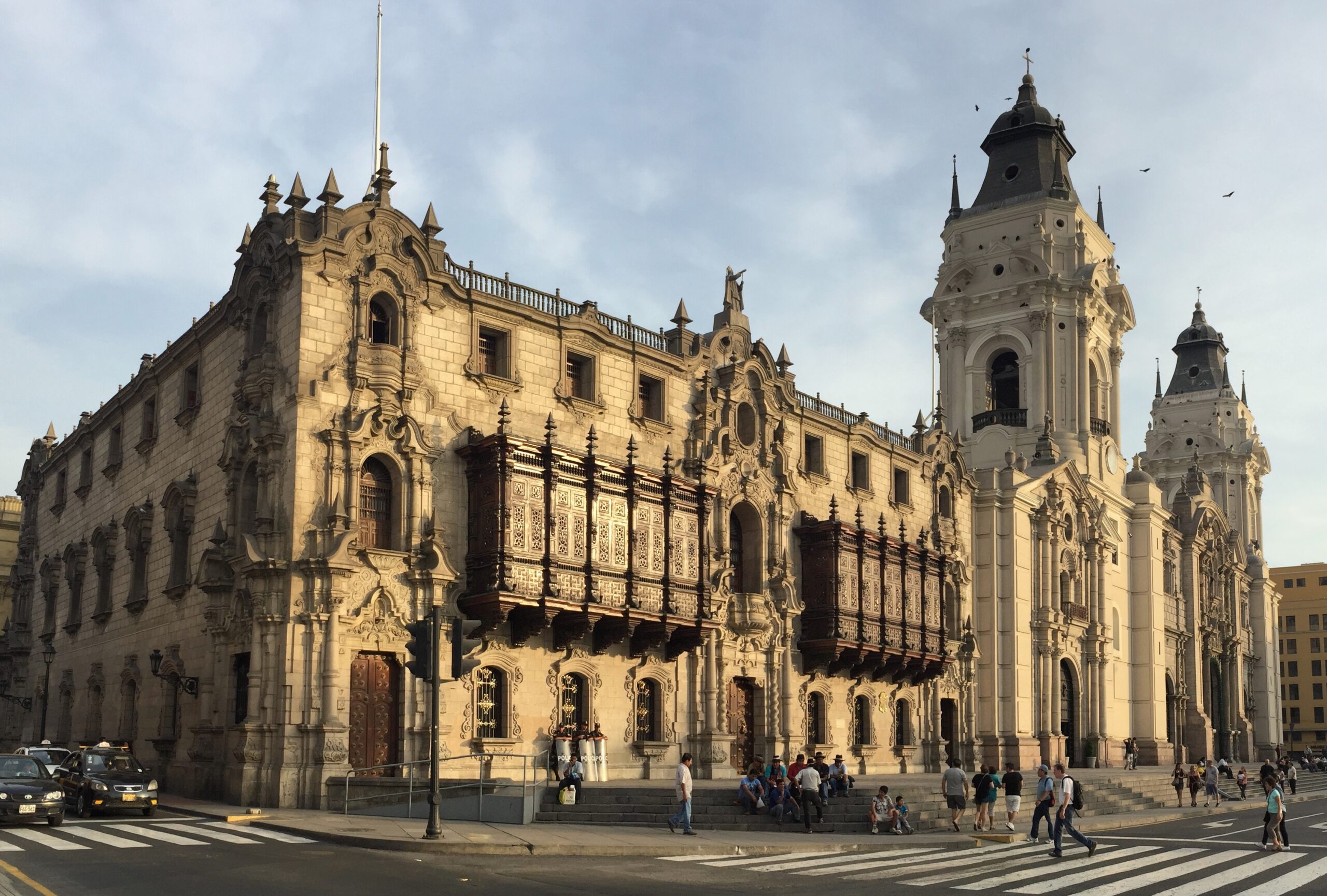
Peru’s Rentista visa is a sleeper Latin American option — $1,000/month threshold, Lima’s world-class food scene, Machu Picchu within domestic-flight range. Verified 2026 detail.
Last verified: May 26, 2026.
Rentista Visa overview
- Income: $1,000 USD/month passive income
- Validity: 1-year initial residence + renewals; PR after 3 years
- Cost: ~$200 USD application + immigration card
Why Peru works
- Lima, Cusco, Arequipa — three viable bases with very different climates
- Machu Picchu, Sacred Valley, Amazon, Pacific coast all accessible
- One of the world’s great food scenes — Lima ranks routinely in world top-5 cities for dining
- Low cost — couples comfortable on $1,500-2,500/month
Eligibility requirements
- Income $1,000+/month documented
- Apostilled criminal record
- Health certificate
- Peruvian address proof
Cost of living — Peru 2026
- 1-bed Lima (Miraflores, Barranco, San Isidro): $500-1,000/month
- 1-bed Cusco: $350-650/month
- 1-bed Arequipa: $300-500/month
- Restaurant menu del día: $4-7
- Couple comfortable monthly: $1,500-2,400 USD
FAQ
Why are foodies obsessed with Lima?
Lima has been a top-5 World’s 50 Best Restaurants city for the last decade — Central, Maido, Mayta, Astrid y Gastón. Beyond fine dining, the everyday cevicherías, chifa, anticucheros are world-class. Cost of a top-100 restaurant meal: $80-150 (would be $400+ in NYC/Paris).
Rentista Visa application — step by step
Step 1. Apply at Migraciones Peru office. Most applicants engage a Peruvian lawyer ($800-$1,800).
Step 2. Required: $1,000+/month documented passive income, apostilled criminal record + sworn Spanish translation, health certificate, Peruvian address proof.
Step 3. Application fee: ~$200 government.
Step 4. Processing: 60-120 days typical.
Step 5. Receive Carnet de Extranjería (foreigner ID card). Annual renewal first 3 years, then apply for permanent residency.
Step 6. Naturalization eligible after 2 years permanent residency. Peru permits dual citizenship for most countries.
Banking + practical setup in Peru
Major banks: BCP (Banco de Crédito del Perú), Interbank, BBVA Perú, Scotiabank Perú.. BCP is largest + most foreigner-friendly. Account opening requires Carnet de Extranjería + passport + utility bill. USD + soles accounts both common.
Cultural notes for newcomers
Peru’s cultural depth is unmatched in South America — Inca + colonial Spanish + Andean indigenous + Amazonian + Afro-Peruvian + Asian (Peruvian-Japanese + Peruvian-Chinese) influences all integrated. Lima’s food scene is world top-5. Cusco/Sacred Valley/Machu Picchu within domestic flight range. Coastal desert, Andes, Amazon all in one country.
Real cost of living + practical lifestyle
Lima (Miraflores, Barranco, San Isidro) couple: $1,800-$2,800/month. Cusco: $1,200-$1,800. Arequipa: $1,100-$1,600. Healthcare: Clínica Anglo Americana, Clínica Ricardo Palma in Lima — private insurance $100-$300/couple/month.
Most common newcomer pitfall
Lima’s Miraflores expat bubble is comfortable but English-only outside this district is limited. Spanish is essential for full daily life. Altitude in Cusco (3,400m) requires acclimatization — 2-3 days minimum before vigorous activity.
How Peru compares to peers
Vs Colombia: Peru has better food + Machu Picchu but less developed expat community. Vs Ecuador: Peru bigger + more diverse but Ecuador cheaper + USD currency.
Additional FAQ
Best time to arrive in Peru?
Most LATAM administrative offices slow significantly during Christmas/New Year + Easter Week (Semana Santa). January (post-holiday catch-up) and September-November tend to be the smoothest months for residency applications, banking, and rental searches.
Can I bring my US/EU/Canadian driver license?
Most LATAM countries honor foreign driver licenses for 90-180 days as a tourist. After residency, you generally need to obtain a local license — sometimes via simple conversion (Costa Rica, Panama, Mexico), sometimes via local test (Brazil, Argentina). International Driving Permit (IDP) recommended for the transition period.
Healthcare for retirees in Peru?
Public systems vary widely (Costa Rica’s Caja excellent; Bolivia’s very limited). Most expat retirees combine: cash for routine care (often dramatically cheaper than US — $30-60 specialist visits), private insurance for catastrophic ($100-$400/couple/month for Cigna, Bupa, local equivalents), and travel back to home country for very complex procedures if needed.
Why this country in 2026 specifically
Peru’s retirement value is dominated by Lima’s food scene + access to dramatic geography. Lima ranks consistently top-5 globally for restaurants (Central, Maido, Mayta routinely in World’s 50 Best). Beyond Lima, Cusco/Sacred Valley/Machu Picchu, Arequipa’s “White City” colonial architecture, and northern beaches (Máncora) offer dramatically varied experiences within domestic flight range.
Peru’s 2022-2024 political volatility has stabilized in 2025-2026. Tourism returned to pre-pandemic levels. Lima Miraflores + Barranco + San Isidro districts have grown US/Canadian expat communities, though smaller than Mexico City or Medellín. Cost of living among Latin America’s lowest for the lifestyle quality achievable.
Even more FAQ
How does Lima’s food scene actually compare to Mexico City or Buenos Aires?
Peruvian fine dining (top-tier restaurants) routinely ranks 1-2 globally — ahead of CDMX and BA. Mid-range Peruvian dining is excellent and consistently among Latin America’s best ($15-$30 menu del día at quality restaurants). CDMX has more variety + international fusion; BA has Italian + Spanish heritage cuisines; Lima has Peruvian + Asian fusion (Nikkei Japanese-Peruvian + Chifa Chinese-Peruvian) at world-class level.
Is Machu Picchu accessible for older retirees?
Yes with planning. Train to Aguas Calientes (Machu Picchu town) — 4 hours from Cusco. Bus or 1.5-hour hike up to ruins. Altitude (2,430m at ruins, 3,400m at Cusco) requires acclimatization. Most retirees do Cusco first (2-3 days adjustment), then descend to Sacred Valley (lower altitude), then Machu Picchu. Tours are available but the standard route is doable independently.
Related: full visa comparison · Mexico Temporary Resident · Best places to retire abroad.
✓ Last verified: May 26, 2026.
Further reading
- US F-1 student visa 2026: complete application guide, financial requirements, OPT and H-1B pathway
- Countries with golden visa programs in 2026: investment requirements, residency rights, citizenship pathways
- Erasmus+ 2026: monthly grants, how to apply, Erasmus Mundus Joint Masters, Turing Scheme for UK
- Masters in Australia for international students 2026: tuition, Student visa, post-study work permit
- Masters in Canada for international students 2026: tuition, Study permit, PGWP, Express Entry