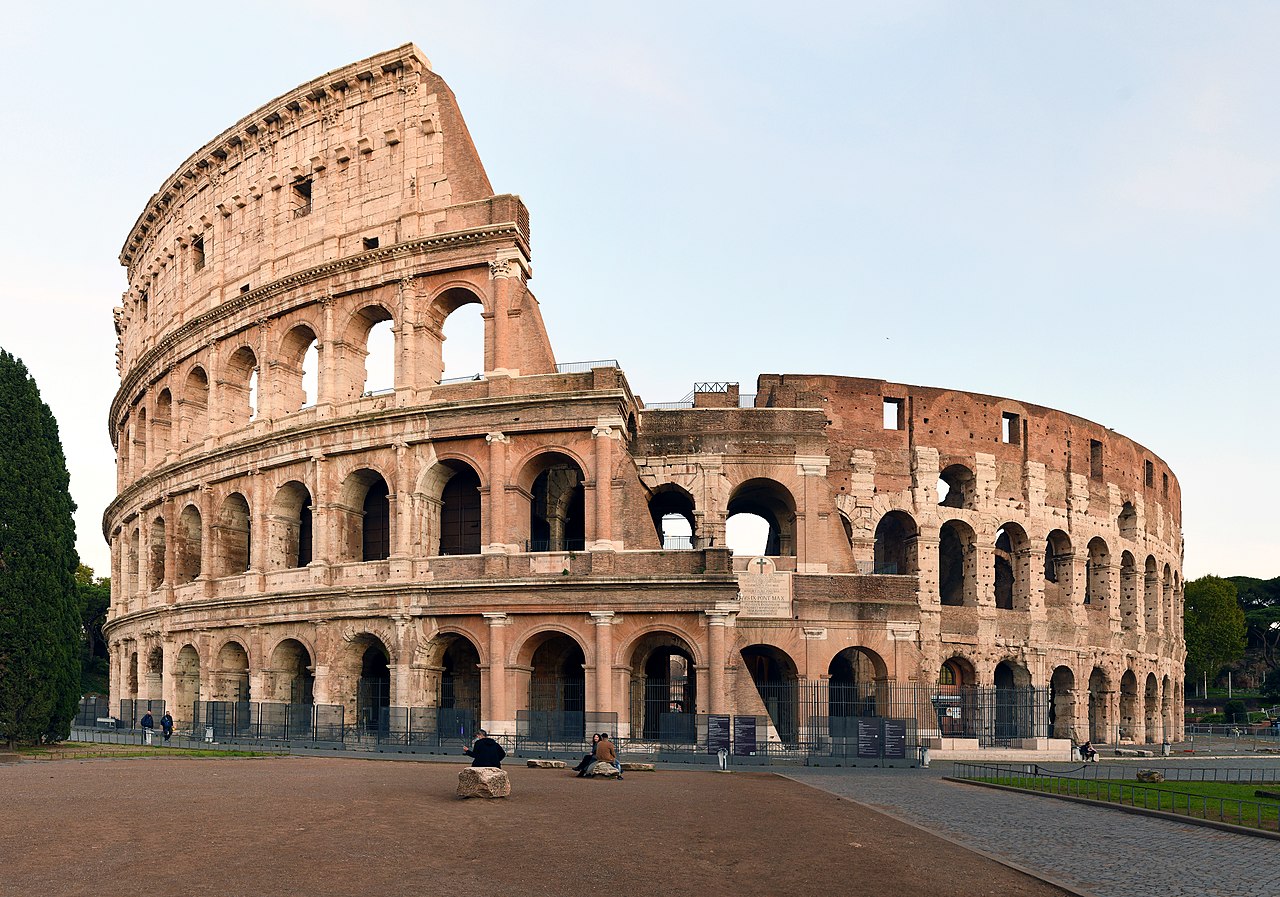
Yes, see the Colosseum. Yes, throw a coin in the Trevi Fountain. But Rome’s best moments are the unmarketed ones — neighborhood markets, hidden churches, wine bars in former workshops, dawn coffee with old men in Testaccio.
Last verified: May 5, 2026.
The required checklist (do these once)
- Colosseum + Roman Forum + Palatine Hill — book the official combined ticket online or via guided tour; saves 60+ minutes vs walk-up.
- Vatican Museums & Sistine Chapel — go first thing on opening (8am) or last entry (3:30pm) to avoid the worst crowds.
- Pantheon — small entry fee since 2023; still extraordinary, takes 20 minutes.
Underrated landmark experiences
- Galleria Borghese — Bernini sculptures and Caravaggios in a former cardinal’s villa. Only 360 visitors at a time, must book 2+ weeks ahead. Easily the most under-visited world-class collection in Rome.
- Centrale Montemartini — ancient sculptures displayed inside a decommissioned power plant. Marble Venuses next to industrial turbines. Surreal, and almost empty.
- Basilica di San Clemente — three buildings stacked: a 12th-century basilica, a 4th-century church beneath it, and a 1st-century Roman temple beneath that. You walk down through 2,000 years.
- Aventine Keyhole — peer through the keyhole at the Knights of Malta gate; St. Peter’s framed perfectly down a hedge corridor. Free, takes 5 minutes.
- Capuchin Crypt — bones of 3,700 friars arranged into chandeliers and arches. Memento mori. Below Via Veneto.
Neighborhoods to wander
- Testaccio — old slaughterhouse district turned food neighborhood. Testaccio Market for lunch (try the famous panino con bollito at Mordi e Vai). Real Roman pasta at Flavio al Velavevodetto, built into Monte Testaccio — a hill of ancient pottery shards.
- Trastevere on a Tuesday morning — not Friday night. The cobblestoned alleys before the bars open are when you understand the neighborhood.
- Pigneto — working-class east, now hipster-creative. Necci dal 1924 cafe, where Pasolini drank.
- Garbatella — planned 1920s neighborhood with garden-city architecture. Locals only; almost no tourists.
- Coppedé — a single tiny district of art-nouveau-fantasy-Mediterranean fusion architecture. Five buildings around one fountain. Looks like nothing else.
Food experiences
- Roscioli Salumeria — the carbonara is famous for a reason. Book 3 weeks ahead.
- Pizzarium by Gabriele Bonci — pizza al taglio (by the slice) reinvented. Takeaway only; eat standing.
- Forno Campo de’ Fiori — pizza bianca eaten still warm from the oven. €3.
- Cesare al Casaletto — Roman classics done with restraint. Outside the tourist zone in Monteverde.
- An aperitivo at Beppe e i Suoi Formaggi — Piedmontese cheese and Tuscan wine, near the Jewish ghetto.
Day trips
- Tivoli — Hadrian’s Villa and Villa d’Este (water gardens). 45 min by train.
- Ostia Antica — Pompeii’s less-famous, much-quieter cousin. 30 min by metro.
- Castelli Romani — Frascati, Castel Gandolfo. Wine and lakes. Day tours from Rome simplify logistics.
For repeat visitors
- The keyhole at Casa di Augusto on the Palatine — rarely-visited frescoes
- Domus Aurea (Nero’s Golden House) — weekend tours only, must book ahead
- The Aventine Orange Garden at sunset — locals come, tourists rarely
- An early morning espresso at Bar San Calisto — just sit, watch, learn how Rome wakes up
✓ Last verified: May 5, 2026.
Final practical advice
Plan your timing carefully — many of the costs and complexities described above can be reduced significantly with even basic advance preparation. Researching 2-3 months ahead of any major commitment, asking questions of people who have already been through the process, and giving yourself buffer time for the inevitable surprises will save you both money and stress.
Save the resources mentioned in this guide. Bookmark the official government websites, sign up for email updates from major service providers, and join 2-3 online communities specific to your destination or situation. The pre-trip research investment pays back exponentially during the trip itself.
If anything in this guide is no longer accurate (rules change frequently), please reach out via our contact page so we can update. We refresh content quarterly and welcome community corrections.
Further reading
- Netherlands visa guide 2026: DAFT, startup visa, highly skilled migrant and more
- Turkey residency guide 2026: short-term permit, property route and citizenship
- Costa Rica visa guide 2026: pensionado, rentista and investor residency
- Georgia visa and residency guide 2026: the ultimate low-tax expat base
- Panama visa guide 2026: Pensionado, Friendly Nations and investor routes