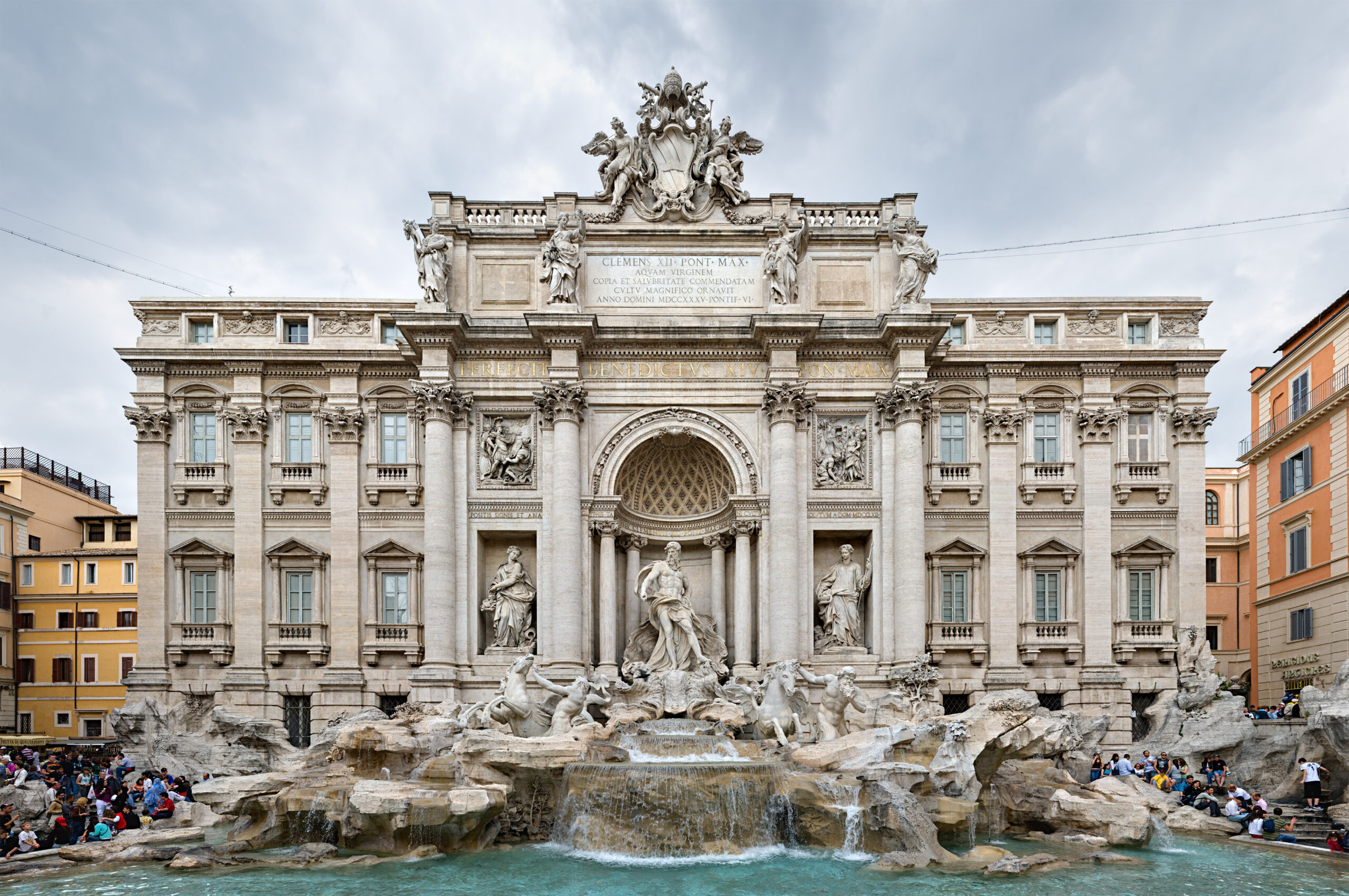
The classic Rome-Florence-Venice trio in seven days. Most itineraries try to cram in too much. This one is paced for sanity, with what to actually book ahead and what to skip.
Last verified: May 5, 2026.
The structure
Three nights Rome, two nights Florence, two nights Venice. Move only between cities, never daytrip-and-return. Trains: Frecciarossa Rome → Florence (1h35), Florence → Venice (2h05). Book on Trenitalia or Italo 30+ days ahead for €30–€50; same-day fares run €100–€150.
Day 1: Arrive Rome
Land at Fiumicino. Take the Leonardo Express train (€14, 32 min) directly to Termini. Drop bags. Walk: Pantheon, Trevi Fountain, Spanish Steps. Light dinner near Piazza Navona. Don’t try to see the Vatican today — you’re jet-lagged.
Day 2: Ancient Rome
Pre-booked Colosseum + Forum + Palatine combo ticket (8am entry). Allow 4 hours. Lunch in Monti district. Afternoon: Roman National Museum at Palazzo Massimo (under-visited masterpieces) or Capitoline Museums. Evening aperitivo in Trastevere. Pace yourself.
Day 3: Vatican + free afternoon
Vatican Museums + Sistine Chapel: book the 8am official entry, NOT the 9:30am tour-group entry. Allow 3 hours. St. Peter’s after. Lunch in Borgo. Skip Castel Sant’Angelo unless you’re an architecture enthusiast — the views are better from the Janiculum hill, free.
Day 4: Train to Florence
10am train. Arrive Florence Santa Maria Novella by lunchtime. Drop bags. Walk: Duomo (climb the cupola, pre-booked), Piazza della Signoria, Ponte Vecchio. Sunset at Piazzale Michelangelo (uphill walk; views over the entire city).
Day 5: Florence galleries + day trip
Choose ONE: Uffizi (book ahead), or Accademia (Michelangelo’s David). Both is too much in a day. Afternoon: a half-day Tuscan countryside or Chianti wine tour if budget allows; otherwise wander Oltrarno (the “other” side of the river, less touristed).
Day 6: Train to Venice
Late morning train to Venice. Arrive at Santa Lucia. Vaporetto (water bus) to Rialto, walk to your hotel. Afternoon: get lost in San Polo and Cannaregio neighborhoods, NOT Piazza San Marco yet (which gets day-tripper crushed). Aperitivo at All’Arco (cicchetti, the Venetian tapas).
Day 7: Venice morning, fly home
Early at Piazza San Marco (before 9am, before the cruise crowds arrive). Doge’s Palace pre-booked. Quick gondola if it’s on your list (€90 for 30 min standard rate). Otherwise a vaporetto down the Grand Canal at sunset is more memorable. Afternoon flight from Marco Polo (VCE).
What to book ahead
- Colosseum + Forum combo ticket (4–8 weeks ahead in summer)
- Vatican Museums (4 weeks ahead)
- Uffizi or Accademia (2–4 weeks ahead)
- Duomo cupola climb in Florence (must reserve a time slot, sells out same-day)
- All trains, 30+ days out for the best prices
What to skip
- Pisa as a daytrip (the tower is fine; the rest is forgettable)
- Cinque Terre on this itinerary (it’s 4 hours from Florence each way)
- The Spanish Steps as anything more than a 5-minute photo stop
- Murano + Burano as a half-day from Venice if you’re tight on time
For travel insurance covering this kind of multi-city trip, see our 2026 travel insurance comparison.
✓ Last verified: May 5, 2026.
Day-by-day breakdown for the classic Italy 7-day route
This itinerary covers Rome → Florence → Venice — Italy’s three most iconic cities. The pace is intense; if you want to slow down, drop one city.
Day 1 — Rome arrival + ancient core
- Land at Fiumicino (FCO) or Ciampino (CIA). FCO has Leonardo Express train to Termini (€14, 32 min)
- Check in to hotel near Termini, Trastevere, or Centro Storico
- Afternoon: Pantheon (free entry), Trevi Fountain, Spanish Steps walk
- Dinner: Tonnarello (Trastevere) or Roscioli (Campo de’ Fiori)
Day 2 — Vatican + Colosseum
- Vatican Museums + Sistine Chapel — book 8am skip-line slot 6+ weeks ahead (€22 ticket + €5 reservation)
- St. Peter’s Basilica afterwards (free entry, expect 30-min queue)
- Lunch: Pizzarium near Vatican
- Afternoon: Colosseum + Forum + Palatine combo (€18, book online)
- Sunset: walk Capitoline Hill, dinner in Monti
Day 3 — Train to Florence + Uffizi
- Frecciarossa Rome Termini → Florence SMN: 1h35 (€30-50 booked ahead, €100+ same-day)
- Drop bags at hotel near Duomo or Oltrarno
- Afternoon: Uffizi Gallery — book 2pm slot (€25, 4-week advance)
- Sunset: Piazzale Michelangelo (walk up, free)
- Dinner: Trattoria Mario (lunch only) or Il Latini (book 1 week ahead)
Day 4 — Florence Duomo + Accademia
- Morning: Accademia Gallery (David) — book 9am slot (€16)
- Duomo cupola climb — book online specifically (€30 includes Baptistery + Bell Tower + Crypt)
- Afternoon: Boboli Gardens or Pitti Palace
- Optional: half-day Tuscany wine tour (€80-120)
Day 5 — Train to Venice
- Frecciarossa Florence → Venice SL: 2h05 (€30-60)
- Vaporetto from Santa Lucia to your hotel area (Cannaregio recommended for first visit)
- Afternoon: St. Mark’s Square + Doge’s Palace (book skip-line €30)
- Evening: cicchetti crawl in Cannaregio (Italian tapas at bacari bars, €1-3 each)
Day 6 — Murano + Burano + Venice
- Morning: vaporetto to Murano (glass) + Burano (colorful village)
- Afternoon: Rialto Bridge + Bridge of Sighs walk
- Optional: gondola ride (€80 for 30 min, €100 evening; split with up to 5 friends)
- Dinner: Trattoria alla Madonna (Rialto) or Osteria Bancogiro
Day 7 — Departure from Venice
Marco Polo Airport (VCE) is 20 min from city by Alilaguna boat (€15). Or fly home from Treviso (TSF) for budget routes.
Costs and bookings to nail down before you fly
- Train tickets: Trenitalia + Italo. Book 30+ days ahead for €30-60 segment fares; same-day costs €100-200
- Vatican Museums: 6+ weeks ahead, €27 total. The ‘Bramante Staircase’ early-access tour is overrated; standard skip-line is fine
- Uffizi + Accademia (Florence): 4+ weeks ahead, €25 + €16. Reserved time slots are strict
- Colosseum: 2-3 weeks ahead. The ‘Underground + Arena’ upgrade (€32 total) is worth it for first-timers
- Total mid-range cost (per person, including flights from US): $2,800–$4,200
- Total backpacker cost (no flights, hostels, public transport): €1,200–€1,800
When to go and crowd avoidance
April–May and September–October are the sweet spots. Avoid August (Italians are on holiday, restaurants closed, hot, expensive). November is underrated — fewer tourists, mild weather, lower prices, all sites open.
- Cherry blossom in Rome: late March (Villa Pamphili, Villa Borghese)
- Best food festivals: Venice Carnival (Feb), Florence Calcio Storico (June), Truffle festivals in Tuscany/Piedmont (Nov)
- Avoid these dates: Easter weekend (Vatican overloaded), Aug 15 Ferragosto (everything closed), Christmas-NY in Venice (very expensive)
10-day extension: Cinque Terre, Lake Como, or Amalfi
If you have 10 days instead of 7, three popular extensions:
- + Cinque Terre (3 days): Florence → La Spezia (1.5h) → 5 villages by Cinque Terre Express train (€18.50/day pass)
- + Lake Como (2 days): Milan → Como/Bellagio. George Clooney territory; lakeside villas, ferry hopping
- + Amalfi Coast (3 days): Rome → Naples → Sorrento → Positano. SITA bus or private driver. Naples for pizza, Pompeii ruins, Vesuvius. Most expensive section of Italy
- + Pompeii + Naples day trip from Rome: Frecciarossa to Naples (1h10), Circumvesuviana to Pompeii (35 min). Day-trippable
Italy-specific travel tips that save time and money
- Coperto + service: Italian restaurants charge €1-3 ‘coperto’ (cover charge) per person. 10% service is normal but not always added; check bill
- Cappuccino timing: Italians don’t drink cappuccino after 11am. Order espresso or americano instead
- Standing vs sitting at bars: espresso at the bar is €1-1.50. Same espresso at a table can be €4-6. Stand and pay separately
- Tipping: not customary except at fancier restaurants where 5-10% is appreciated
- Ticket validation: regional train tickets must be validated at yellow machines before boarding. Failure = €50+ fine
- Aperitivo culture: 6-8pm in Milan/Florence/Rome, buy a drink (€10-15) and free buffet
Related: best time to visit Italy · things to do in Rome.
Where to stay in each city
Hotel choice in Italy makes or breaks your experience. Recommendations by city:
- Rome — Trastevere: charming cobblestoned neighborhood, lots of restaurants, walking distance to Vatican + center. Mid-range hotels €120-220/night
- Rome — Monti: trendy, hip, walking distance to Colosseum. €130-250
- Rome — Centro Storico: central, expensive, near Pantheon. €180-350
- Florence — Santa Maria Novella: near train station, walkable everywhere, €100-200
- Florence — Oltrarno: south side of river, less touristy, charming. €120-220
- Venice — Cannaregio: local feel, less expensive, near Jewish ghetto. €130-250
- Venice — San Marco: tourist core, expensive, often overrun. €200-500
- Venice — Dorsoduro: near Accademia, art galleries, quieter. €150-300
Italian phrases that make your trip easier
- Buongiorno / Buonasera: good morning / good evening (used until 3pm / after)
- Grazie / Prego: thanks / you’re welcome
- Il conto, per favore: the check, please
- Senza ghiaccio: without ice (most water served at room temp)
- Mi scusi: excuse me (formal)
- Quanto costa?: how much?
Italian food etiquette to avoid embarrassment
- Cappuccino after 11am: Italians don’t. Order espresso or americano
- Pasta + bread: bread is for sopping up sauce after pasta, not before
- Cheese on seafood pasta: taboo. Don’t ask for parmesan on vongole or branzino
- Cutting spaghetti: twirl, don’t cut. Don’t use a spoon (Italians don’t)
- Drinking wine: beer with pizza is fine; wine pairs with pasta. Cocktails = aperitivo (before dinner) only
Hidden gems most Italy itineraries skip
If your second trip to Italy needs new material:
- Bologna (1 day from Florence): oldest university in Western world, food capital (tortellini, ragu, mortadella). 35 minutes by Frecciarossa. Lunch + walking + return same day
- Orvieto (Umbria, 1.5h from Rome): dramatic hilltop town with cathedral. Skip-stop on the route to Florence
- Lecce (Puglia, 5h from Rome): baroque architecture in white limestone. ‘Florence of the South’
- Matera (Basilicata, 4.5h from Rome): UNESCO cave dwellings (sassi). Stay in cave hotels. Filming location for Bond and Mary Magdalene
- Cinque Terre (4h from Florence): 5 colorful villages on Ligurian coast connected by hiking trails + train
- Lake Garda (3h from Venice): largest Italian lake. Sirmione + Riva del Garda. Underrated alternative to Lake Como
Common Italian travel mistakes
- Underestimating museum lines: Vatican Museums in summer = 2-hour line without skip-the-line. Always book online
- Florence dome climbs: the Duomo cupola requires advance time slot (€30 combo). Don’t show up hoping
- Rome on Mondays: many museums (incl. Galleria Borghese) closed Mondays. Plan accordingly
- Venice in August: brutal humidity, peak tourist crush, smelly canals at low tide. November-January is magical alternative
- Eating near monuments: tourist-trap restaurants 10x prices, mediocre food. Walk 5 minutes off the main square
Packing for Italy: what we’d actually bring
- Travel adapter: Type C/F (most of EU), Type B (Japan/Mexico/Vietnam), Type G (UK)
- Power bank: 10,000 mAh minimum. Long days of phone use (maps, photos, Google Translate) drain batteries fast
- Comfortable walking shoes: 15,000-20,000 steps/day is normal on these itineraries. Break them in beforehand
- Light layers: mornings often cool, afternoons warm. Mediterranean countries go from 15°C dawn to 30°C noon
- Reusable water bottle: tap water safe in EU + Japan. Refill stations everywhere. Saves $2-5/day
- Day backpack: 20-25L. Anti-theft features useful in tourist crowds
- Travel insurance documents: printed + digital copies
- Two payment methods: primary card + backup. Cards skim issues happen
Essential apps for this trip
- Maps: Google Maps (offline downloaded), Maps.me as backup
- Translation: Google Translate (with camera + downloaded language packs offline)
- Booking: Booking.com, Agoda, Trip.com (sometimes cheaper)
- Train tickets: country-specific apps (Trenitalia, Renfe, SNCF, JR, etc.)
- Local transport: Uber/Lyft/Grab/Bolt depending on country
- Currency conversion: XE Currency for instant conversion + offline rates
- Restaurant reservations: TheFork (EU), OpenTable (US/Japan), local equivalent
Emergency contact info to save before departure
- Local police: 112 (EU + UK), 110 (Japan), 091 (Mexico, Spain), 113 (Vietnam police), 100 (UK + Greece)
- Medical emergency: 112 (EU), 119 (Japan), 911 (Mexico), 115 (Vietnam ambulance)
- Embassy contact: save your country’s embassy in destination capital
- Travel insurance hotline: usually 24/7 international
- Bank/credit card emergency: save card-block hotline numbers BEFORE traveling
- Hotel + accommodation addresses: save in language of destination + English
Budget tiers compared for Italy
- Backpacker tier: €60-80 (€420-560/week)/day. Hostels, public transport, street food + grocery, free attractions, walking
- Mid-range tier: €140-180 (€980-1,260/week)/day. 3-star hotels or Airbnbs, mix of trains + buses, restaurants for 2 meals/day, paid attractions, occasional taxi
- Comfort tier: €220-300 (€1,540-2,100/week)/day. 4-star hotels, private transfers, restaurant meals, premium tours, no logistical stress
- Luxury tier: €450+ (€3,150+/week)/day. 5-star + boutique hotels, private guides, fine dining, private drivers
Most travelers comfortable on this itinerary spend mid-range. Backpacker version requires planning + flexibility. Comfort tier removes most logistical headaches but adds 50-80% to total cost.
Final thoughts on this itinerary
This itinerary covers the iconic experiences without rushing. The pace assumes you’re prepared to walk 15,000-20,000 steps daily and manage 3-4 hours of trains/transfers across the trip. If you have less stamina or want more relaxation built in, drop one destination and lengthen each. If you have more time, the variations and extensions above show how to expand.
The single biggest determinant of whether this trip works: book the must-have reservations 4-8 weeks ahead. Skip-the-line tickets, popular restaurants, and limited-capacity attractions sell out reliably in peak season. The more you can lock down before flying, the more flexibility you have for spontaneous discoveries during the trip.
Further reading
- Cost of living in Medellín, Colombia 2026: monthly budget for expats
- Cost of living in Chiang Mai, Thailand 2026: monthly budget for expats
- Cost of living in Bali, Indonesia 2026: monthly budget for expats
- Cost of living in Tbilisi, Georgia 2026: monthly budget for expats
- Cost of living in Da Nang, Vietnam 2026: monthly budget for expats