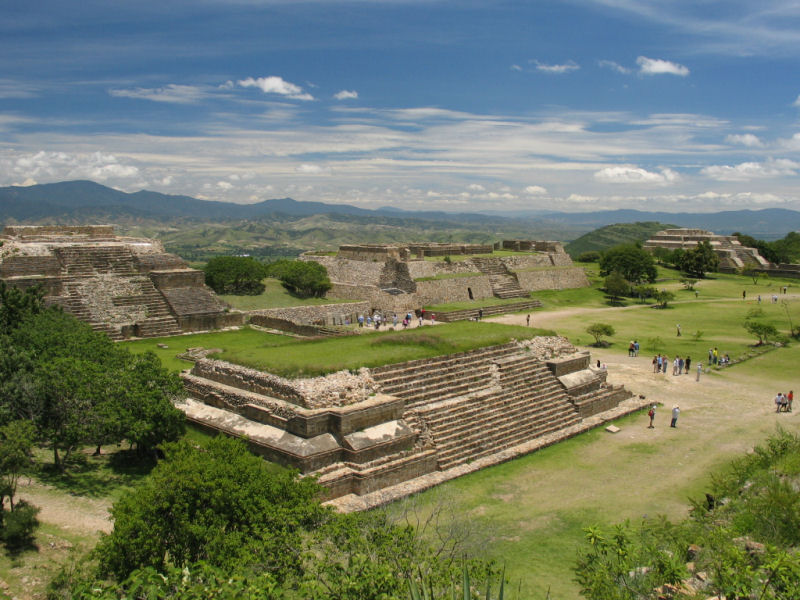
10 days in Mexico = Mexico City + Oaxaca + a beach. Skip Cancún unless you have a specific reason. Here’s the 2026 plan.
Last verified: May 6, 2026.
Day 1–3: Mexico City (CDMX)
- Day 1: Centro Histórico — Zócalo, Templo Mayor, Palacio de Bellas Artes
- Day 2: Roma + Condesa neighborhoods + Frida Kahlo Museum (Coyoacán) — book online 2 weeks ahead
- Day 3: Teotihuacan day trip + Xochimilco trajinera boats
Day 4: Fly CDMX → Oaxaca
AeroMexico/Volaris ~$80. 1 hour. Afternoon: Zócalo + Santo Domingo Church.
Day 5–6: Oaxaca city + Hierve el Agua
- Day 5: Cooking class at Casa Crespo or El Sabor Zapoteco; Mercado 20 de Noviembre lunch
- Day 6: Hierve el Agua + Mitla day trip; mezcal tasting in Santiago Matatlán
Day 7: Bus or short flight to coast
Option A — Puerto Escondido: Surfer + budget vibe. Aerotucán flight 35 min, $80. Or 9-hour overnight bus on a winding road. Option B — Tulum: if you want all-inclusive feel. Fly back via Mexico City.
Day 8–9: Beach time
- Puerto Escondido: Playa Carrizalillo (calm), Zicatela (surf), Mazunte day trip
- Or Tulum: cenotes + Mayan ruins + beach. Crowded, but iconic
Day 10: Departure
Fly direct from Puerto Escondido or via Mexico City; Tulum has its own airport.
Logistics
- Visa: US/UK/EU/AU/CA/JP visa-free for tourism, 180 days
- Cost: $1,400–$2,500/person mid-range incl. international flights from US
- Currency: MXN. Cards work at hotels/big restaurants; carry pesos for markets, taxis
- Safety: CDMX, Oaxaca, Puerto Escondido, Tulum all have low tourist-crime rates. Avoid northern border states for tourism
Related: best time to visit Mexico.
✓ Last verified: May 6, 2026.
Mexico in 10 days: CDMX + Oaxaca + beach
Three distinct Mexicos in one trip. CDMX for culture and food, Oaxaca for indigenous traditions and mezcal, beach for decompression. Skip Cancún — Tulum or Puerto Escondido offer a more authentic experience.
Days 1-3 — Mexico City (CDMX)
- Day 1: Centro Histórico — Zócalo, Templo Mayor (Aztec ruins beneath the city), Palacio de Bellas Artes
- Day 2: Roma + Condesa neighborhoods. Frida Kahlo Museum in Coyoacán (book 2 weeks ahead)
- Day 3: Teotihuacan day trip + Xochimilco trajinera boats. Or Lucha Libre at Arena Mexico (Tue/Fri/Sun)
Stay in Roma Norte or Condesa — best digital nomad neighborhoods, walkable, cafes, restaurants. Polanco is more upscale (more expensive); Centro is touristic.
Day 4 — Fly CDMX → Oaxaca
- AeroMexico/Volaris: ~$80, 1 hour
- Afternoon: Zócalo + Santo Domingo Church + walk Calle Macedonio Alcalá
- Dinner: Catedral or Origen for upscale Oaxacan; Itanoní for street-food vibe
Days 5-6 — Oaxaca city + Hierve el Agua
- Day 5: cooking class at Casa Crespo or El Sabor Zapoteco. Mercado 20 de Noviembre lunch
- Day 6: Hierve el Agua + Mitla day trip + Tule Tree (2,000-year-old cypress) + mezcal tasting in Santiago Matatlán
Day 7 — Travel to coast
- Option A — Puerto Escondido: 35-min flight via Aerotucán ($80) or 9-hour overnight bus on winding mountain road. Surf town, less developed
- Option B — Tulum: fly back via CDMX. More resort vibe, expensive, Instagrammable
Days 8-9 — Beach time
- Puerto Escondido: Playa Carrizalillo (calm, swimmable), Zicatela (surfing waves), Mazunte day trip (1h drive, turtle sanctuary)
- Tulum: cenotes (Gran Cenote, Dos Ojos) + Mayan ruins overlooking the sea + beach
Day 10 — Departure
Fly direct from Puerto Escondido (PXM) or Tulum (TQO/CUN) home. Or via CDMX for international connections.
Practical info
- Visa: US/UK/EU/AU/CA/JP visa-free for 180 days tourist permit (FMM)
- Currency: MXN. Card accepted in cities + tourist areas. Carry pesos for markets, taxis, street food
- SIM/eSIM: Telcel SIM at airport ~$15 for 30 days/15GB. Or Airalo eSIM
- Spanish: CDMX has plenty of English speakers. Oaxaca and Puerto Escondido much less so. Basic Spanish helps a lot
- Tipping: 10-15% at restaurants is standard. $1-2/day for hotel housekeeping
Costs (mid-range, 10 days)
- Flights US→Mexico: $300-700 (cheapest in the Americas)
- Hotels: $60-120/night × 9 = $540-1,080
- Domestic flights (2): $160
- Food: $25-40/day × 10 = $250-400
- Activities + tours: $200-350
- Total mid-range: $1,400-2,500 per person
Best time to visit
November-April is the dry season. Avoid:
- September-October: peak hurricane season for Yucatán + Pacific coasts
- Día de los Muertos (October 28-November 2): spectacular in Oaxaca — but book 6 months ahead, prices triple
- Spring break (March): Cancún + Playa del Carmen overrun with US college students
- Christmas/New Year: high prices, Mexican family travel peaks
Variations
- Drop Oaxaca, add Yucatán: CDMX (3) + Mérida (2) + Valladolid + cenotes (2) + Tulum (3). More Mayan ruins focus
- San Miguel de Allende route: CDMX (3) + San Miguel (3) + Guanajuato (2) + Querétaro (1) + return (1). Colonial cities, no beach
- Pacific surf circuit: Sayulita + Puerto Vallarta (4) + Punta Mita (2) + return via CDMX (2). Beach + surf focus
Related: best time to visit Mexico · CDMX guide · Oaxaca guide.
Mexican food beyond tacos
Mexican cuisine has UNESCO heritage status. Each region has distinct cooking traditions:
- Mexico City: tacos al pastor, tlacoyos, tamales, esquites, chiles en nogada (seasonal)
- Oaxaca: mole (7 varieties), tlayudas, mezcal, chapulines (grasshoppers), barbacoa
- Yucatán: cochinita pibil, panuchos, sopa de lima, papadzules, rellenos (negros and blancos)
- Puebla: mole poblano, chiles en nogada, cemitas, mixiotes
- Veracruz: seafood-heavy, vuelve a la vida (cocktail), pescado a la veracruzana
- Pacific coast: ceviche, aguachile, sopa de mariscos
Mexico timing and safety
- Day of the Dead (October 28-November 2): spectacular in Oaxaca. Book 6 months ahead; prices triple
- Holy Week (Easter): domestic travel peaks; beach destinations packed with Mexicans
- Christmas-NY: high prices, family travel
- Hurricane season Pacific: June-October. Tulum + Pacific coast can flood
- Safety: CDMX, Oaxaca, San Miguel, Mérida, Puerto Vallarta, Tulum have low tourist-crime rates. Avoid northern border states (Tamaulipas, Sinaloa) for tourism. Acapulco no longer safe for tourists
Mexican accommodation
- Boutique hotels: Mexico has world-class boutique hotel scene. Hotel Habita (CDMX), Casa Oaxaca, Esperanza (Cabo)
- Airbnb: robust market, but recent regulations in CDMX (Roma, Condesa) mean some listings have permit issues
- Coliving spaces: Selina (multiple cities), Outsite (CDMX), Anantara Coliving (Tulum)
- Budget options: hostels in tourist towns ($15-30/night dorm), guesthouses ($30-60/night private room)
Cultural tips
- Tipping: 10-15% at restaurants. $1-2/day for hotel housekeeping. 10-15% for taxi if pleasant
- Spanish: CDMX has many English speakers in hospitality + tourism. Oaxaca + Puerto Escondido much less. Basic Spanish goes far
- Tap water: not safe to drink in most areas. Bottled water everywhere; boil + filter for cooking. Modern hotels often have purification
- Bargaining: markets yes (10-30% off OK). Restaurants/shops with fixed prices no
Mexico itinerary alternatives
- Yucatán + Quintana Roo focus (10 days): Mérida (3) + cenotes/Valladolid (2) + Tulum (3) + Holbox (2). Mayan ruins + beaches
- Colonial cities focus: CDMX (3) + San Miguel de Allende (3) + Guanajuato (2) + Querétaro (1) + Mexico City return (1). No beach but gorgeous cities
- Pacific surf circuit: Sayulita + Puerto Vallarta (4) + Punta Mita (2) + Yelapa (2) + return CDMX (2). Beach + surf focus
- Off-the-beaten-track: Mexico City (3) + Puebla (2) + Oaxaca (3) + Veracruz (2). Less touristy, deeper culture
Mexico practical money tips
- USD vs MXN: tourist areas accept both. Always pay in MXN — USD prices are inflated 10-15%
- ATMs: use bank ATMs (Banamex, Santander, BBVA). Avoid ‘Euronet’ standalone ATMs (high fees + bad rates)
- Tipping: 10-15% restaurants. $1-2/day hotel housekeeping. 10% taxis if helpful
- Bargaining: only at markets (10-30% off OK). Restaurants/shops with marked prices = fixed
- Tap water: not safe. Bottled water everywhere. Hotels often have purification systems
- VAT (IVA): 16% included in marked prices. Tourist refund possible at major airports for purchases over $50
Mexico safety reality
Mexico has serious crime in specific regions (border states, parts of Acapulco, certain neighborhoods of Mexico City). But tourist destinations are generally safe with normal precautions:
- Safe for tourists: Mexico City (Roma, Condesa, Polanco, Coyoacán), San Miguel de Allende, Mérida, Puerto Vallarta, Tulum, Playa del Carmen, Oaxaca City, Cancún resort zone
- Caution recommended: downtown Acapulco, Tijuana tourist areas, certain CDMX neighborhoods (Tepito)
- Avoid for tourism: Tamaulipas, Sinaloa, Michoacán (interior), border-region small towns
- General precautions: don’t walk alone late at night, use Uber not street taxis, keep cash separate from main wallet, learn basic Spanish numbers + emergency phrases
Packing for Mexico: what we’d actually bring
- Travel adapter: Type C/F (most of EU), Type B (Japan/Mexico/Vietnam), Type G (UK)
- Power bank: 10,000 mAh minimum. Long days of phone use (maps, photos, Google Translate) drain batteries fast
- Comfortable walking shoes: 15,000-20,000 steps/day is normal on these itineraries. Break them in beforehand
- Light layers: mornings often cool, afternoons warm. Mediterranean countries go from 15°C dawn to 30°C noon
- Reusable water bottle: tap water safe in EU + Japan. Refill stations everywhere. Saves $2-5/day
- Day backpack: 20-25L. Anti-theft features useful in tourist crowds
- Travel insurance documents: printed + digital copies
- Two payment methods: primary card + backup. Cards skim issues happen
Essential apps for this trip
- Maps: Google Maps (offline downloaded), Maps.me as backup
- Translation: Google Translate (with camera + downloaded language packs offline)
- Booking: Booking.com, Agoda, Trip.com (sometimes cheaper)
- Train tickets: country-specific apps (Trenitalia, Renfe, SNCF, JR, etc.)
- Local transport: Uber/Lyft/Grab/Bolt depending on country
- Currency conversion: XE Currency for instant conversion + offline rates
- Restaurant reservations: TheFork (EU), OpenTable (US/Japan), local equivalent
Emergency contact info to save before departure
- Local police: 112 (EU + UK), 110 (Japan), 091 (Mexico, Spain), 113 (Vietnam police), 100 (UK + Greece)
- Medical emergency: 112 (EU), 119 (Japan), 911 (Mexico), 115 (Vietnam ambulance)
- Embassy contact: save your country’s embassy in destination capital
- Travel insurance hotline: usually 24/7 international
- Bank/credit card emergency: save card-block hotline numbers BEFORE traveling
- Hotel + accommodation addresses: save in language of destination + English
Budget tiers compared for Mexico
- Backpacker tier: $35-55/day. Hostels, public transport, street food + grocery, free attractions, walking
- Mid-range tier: $80-130/day. 3-star hotels or Airbnbs, mix of trains + buses, restaurants for 2 meals/day, paid attractions, occasional taxi
- Comfort tier: $160-240/day. 4-star hotels, private transfers, restaurant meals, premium tours, no logistical stress
- Luxury tier: $350+/day. 5-star + boutique hotels, private guides, fine dining, private drivers
Most travelers comfortable on this itinerary spend mid-range. Backpacker version requires planning + flexibility. Comfort tier removes most logistical headaches but adds 50-80% to total cost.
Final thoughts on this itinerary
This itinerary covers the iconic experiences without rushing. The pace assumes you’re prepared to walk 15,000-20,000 steps daily and manage 3-4 hours of trains/transfers across the trip. If you have less stamina or want more relaxation built in, drop one destination and lengthen each. If you have more time, the variations and extensions above show how to expand.
The single biggest determinant of whether this trip works: book the must-have reservations 4-8 weeks ahead. Skip-the-line tickets, popular restaurants, and limited-capacity attractions sell out reliably in peak season. The more you can lock down before flying, the more flexibility you have for spontaneous discoveries during the trip.
Why Mexico works for first-time Latin America travelers
Mexico is the most accessible introduction to Latin America for English speakers. Unlike Brazil or Argentina, flights from US are short and cheap. Unlike Peru or Colombia, infrastructure is excellent (modern airports, good highways, reliable buses). Unlike Costa Rica, costs are genuinely lower (you can have a great experience for half the price). Unlike Cuba, banking + connectivity work normally for foreigners.
Mexico’s food is one of the world’s great cuisines (UNESCO heritage status) but isn’t intimidating — tacos and quesadillas are familiar starting points before you discover the depth of regional moles, mezcals, and seasonal dishes. The geography is incredibly diverse: high-altitude colonial cities, jungle ruins, beach destinations, and desert landscapes all in one country.
Mexico in 10 days is an introduction, not a complete picture. The country has 32 states, each with distinct culinary and cultural identities. Most travelers return for second trips: Yucatán cenotes, Baja California whales, Chiapas indigenous communities, Pacific surfing, Sierra Madre mountain villages. Use this 10-day trip as the foundation, then build extensions onto it for future visits.
Further reading
- Cost of living in Split, Croatia 2026: expat and digital nomad budget
- Cost of living in Porto, Portugal 2026: expat monthly budget
- Cost of living in Penang, Malaysia 2026: expat monthly budget
- Cost of living in Budapest, Hungary 2026: expat monthly budget
- Cost of living in Medellín, Colombia 2026: monthly budget for expats