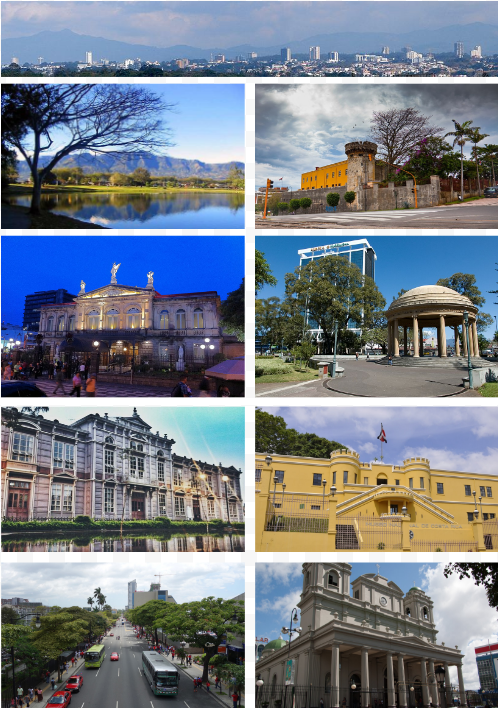
Costa Rica combines tropical lifestyle, biodiversity, stable democracy, and one of Latin America’s best healthcare systems. The Pensionado + Rentista visas welcome retirees with reasonable income thresholds. Here’s the 2026 reality.
Last verified: May 6, 2026.
Why Costa Rica for retirement
- Pura Vida lifestyle: emphasis on living well, slowly, near nature
- Stable democracy: oldest democracy in Latin America, no military since 1948
- Excellent healthcare: Caja (public) + private hospitals (Clínica Bíblica, CIMA) world-class
- Climate variety: Central Valley (spring-like), Caribbean coast (humid tropical), Pacific coast (drier tropical), Cloud forest
- Biodiversity: 5% of world’s species in 0.03% of land area
- Visa-friendly: Pensionado for $1,000+ pension, Rentista for $2,500 income or $60K savings
- Path to citizenship: after 7 years residence
- USD widely accepted: hybrid CRC/USD economy
- English in expat areas: Atenas, Escazú, Manuel Antonio have English-speaking retirees
Visa options for retirees
Pensionado (most common for retirees)
- Income threshold: $1,000 USD/month lifetime pension or pension-equivalent income
- Source: Social Security, government pension, private pension, military pension
- Validity: 2 years initially, renewable indefinitely
- Cost: ~$300-500 USD application + lawyer fees ($1,500-3,000)
- Spouse + dependents: included; no additional income required
- Path to citizenship: after 7 years on permanent residency
Rentista (alternative for younger retirees)
- Income threshold: $2,500 USD/month for 2 years from non-employment source
- Source: investments, rental income, retirement accounts (must be guaranteed by Costa Rican bank)
- Bank deposit: $60K USD held with Costa Rican bank as guarantee
- Validity: 2 years renewable
- Path to citizenship: after 7 years residence
Inversionista (Investor)
- Investment threshold: $200K USD in Costa Rican real estate, business, or government bonds
- Validity: permanent residency
- Best for: wealthier retirees wanting investment + residency combo
Application process
Costa Rica requires Costa Rican lawyer for all immigration:
Step 1: Hire Costa Rican lawyer + apostille documents
- Lawyer fees: $1,500-3,500 USD typical
- Apostille: all foreign documents need apostille from your country
- Translations: Spanish translations by Costa Rican certified translator
Step 2: File application via DGME (immigration agency)
- Documents: passport, pension/income proof, background check, marriage certificate (if joint), photos
- Cost: ~$250 USD government fees
- Timeline: 6-12 months from filing to approval (yes, Costa Rica is slow)
Step 3: Receive cédula (Costa Rican ID) + residency card
Once approved, receive cédula (national ID number) + residency card. Then access healthcare + banking + everything else.
Tax structure (territorial tax)
Costa Rica’s territorial tax means retirees benefit:
- Foreign-source income: NOT taxed in Costa Rica. Foreign pensions, Social Security, dividends from foreign companies all tax-free
- Costa Rica-source income: taxed (Costa Rican rental, employment, etc.)
- Tax residency: 183+ days triggers tax residency on Costa Rica-source income only
- Property tax: 0.25% annual on assessed value
- Capital gains: 15% on profit from Costa Rican real estate sales (some exemptions for primary residence)
- Sales tax (IVA): 13% on goods + services
Top retirement destinations in Costa Rica
1. Atenas — Goldilocks climate
Voted by National Geographic as ‘best climate in the world’. Central Valley town at 2,400ft elevation.
- Climate: 65-78°F year-round (no AC needed)
- Cost (couple, mid-range): $1,800-2,800/month
- Rent (1-bed): $600-1,200/month
- Pros: ideal climate, large American + Canadian retiree community, organized expat groups + activities
- Cons: small town (limited urban amenities), 30 min to San José for major needs
2. Heredia + Escazú — close to capital
Suburbs of San José. Modern infrastructure, hospitals, shopping. More urban feel.
- Climate: 60-75°F (similar to Atenas)
- Cost (couple, mid-range): $2,000-3,500/month
- Rent (1-bed): $700-1,400/month
- Pros: proximity to airport + hospitals, modern amenities, growing retiree community
- Cons: traffic, less authentic Costa Rican feel, more expensive
3. Manuel Antonio + Quepos — Pacific coast
Tropical beach town. Famous national park. Tourist economy.
- Climate: tropical, 75-90°F, humid
- Cost (couple, mid-range): $2,500-4,000/month
- Rent (1-bed): $800-1,800/month (premium for tourist area)
- Pros: tropical beach lifestyle, biodiversity, surf + nature access
- Cons: expensive (tourist economy), limited healthcare locally, hot + humid
4. Tamarindo + Northern Pacific (Guanacaste)
Drier coastal region. Beach + surf + golf. Growing American expat community.
- Climate: 75-90°F year-round, dry season Dec-April
- Cost (couple, mid-range): $2,200-3,500/month
- Rent (1-bed): $700-1,500/month
- Pros: beautiful beaches, drier than Pacific tropical zones, Liberia airport for international
- Cons: tourist + expat-heavy (less authentic), limited cultural depth
5. Cartago + Orosi Valley
Highland villages near old capital. Less expat-saturated.
- Climate: 60-75°F, cooler
- Cost (couple, mid-range): $1,500-2,200/month
- Pros: very affordable, authentic Costa Rican culture, beautiful highlands
- Cons: smaller English community, more rural, fewer modern amenities
Healthcare in Costa Rica
Caja (public, world-class)
- Eligibility: all residents (after residence permit issued)
- Cost: 6-11% of declared income (around $90-150/month for typical retirees)
- Coverage: nearly everything — primary care, hospitalization, prescriptions, even prescription glasses
- Quality: excellent in major cities. Smaller towns have community clinics with referrals to major hospitals
- Wait times: non-urgent specialist appointments can take weeks. Urgent same-day at ER
Private (faster, more luxury)
- Top hospitals: Clínica Bíblica (San José), CIMA (Escazú), Hospital La Católica
- Cost: 30-50% US prices direct pay, OR insurance
- Insurance options: Costa Rican private (INS, MAPFRE) ~$200-400/month for couples 60+
- International (Cigna Global): ~$3,000-7,000/year for couples
Many retirees use combination: Caja for routine + chronic care, private for specialists + faster access.
Best Costa Rica retirement towns 2026
Central Valley (San Jose, Escazu, Heredia, Atenas)
4,000-5,000 ft elevation = perfect 65-80F climate year-round, no AC, no heat. Escazu + Santa Ana are upscale retirement enclaves. 2-bed rentals $900-1,800/month. Best for retirees prioritizing infrastructure (hospitals, malls, Costco) + climate. Trade-off: traffic, urban sprawl.
Pacific Coast — Tamarindo, Nosara, Jaco
Beach surf towns. Tamarindo: most developed, large American community, 2-bed $1,000-2,000/month. Nosara: yoga + wellness focus, more remote, $1,400-2,800/month. Jaco: closest beach to San Jose (90 min), $800-1,500/month. Best for active retirees wanting Pacific beaches + warm year-round.
Atenas — “world’s best climate”
National Geographic-rated. Small town in Central Valley, 45 min from San Jose + airport. Established retiree community, walkable. 2-bed rentals $700-1,400/month. Best for retirees wanting climate perfection + small-town pace.
Southern Pacific — Dominical, Uvita, Ojochal
Less developed, lush jungle meeting the ocean, whale-watching, smaller expat community. 2-bed rentals $700-1,500/month. Best for nature-loving retirees who don’t need urban amenities. Trade-off: 3-4 hour drive from San Jose for major medical.
Caribbean Coast — Puerto Viejo, Cahuita
Reggae vibes, Afro-Caribbean culture, cheaper, less developed. 2-bed rentals $600-1,200/month. Best for adventurous retirees seeking different cultural flavor than Pacific side. Trade-off: rainier, less infrastructure.
Pensionado vs Rentista vs Inversionista — picking right path
Costa Rica offers three residency paths for retirees, each with tradeoffs:
- Pensionado: $1,000/month lifetime guaranteed pension. Cheapest. Cannot work for Costa Rican employer. Good for: Social Security recipients, US/UK government pensioners.
- Rentista: $2,500/month income for 2 years (or $60K bank deposit). More flexible — income can come from any source. Good for: dividend/rental income retirees without lifetime pension.
- Inversionista: $200K investment in real estate, business, or government bonds. No income proof needed. Good for: retirees with capital but no formal pension/income stream.
All three convert to permanent residency after 3 years and to citizenship after 5-7 years (Costa Rica permits dual citizenship for select countries). All three include CCSS healthcare access.
Caja vs private healthcare — the real combination
Costa Rica’s CCSS (Caja) is one of Latin America’s best public healthcare systems. Permanent residents must enroll. Monthly cost: 7-11% of declared income (minimum ~$70/month single, ~$130/couple). Covers: doctors, hospitalization, surgery, prescriptions, mental health.
Caja realities: long wait times for specialists (2-6 months), limited choice of doctor, public hospitals can be crowded. Most retirees use Caja for routine + chronic care + true emergencies, then pay private direct for specialists/elective procedures.
Private insurance (INS, MAPFRE, Sagicor) for couples 60+ runs $250-450/month. International (Cigna Global, Bupa) runs $400-700/month/person but covers US treatment. Many retirees skip private insurance entirely, use Caja + cash-pay for private specialists ($60-120 visit), and self-insure for major events.
Real cost of retiring in Costa Rica 2026
- Couple monthly comfortable Central Valley: $2,200-3,200
- Couple monthly comfortable Pacific beach: $2,400-3,800
- Couple monthly comfortable Atenas: $2,000-2,800
- Couple monthly comfortable Southern Pacific: $1,800-2,800
- Caja contributions couple: $130-280/month
- Private health insurance supplemental: $0-450/month (varies by strategy)
- 2-bed home purchase Central Valley: $200K-450K
- Property tax: 0.25% of assessed value annually (very low)
- Domestic help part-time: $200-400/month
Costa Rica residency timeline — month by month
4-8 months from decision to plastic DIMEX (residency) card:
- Month 1-2: Choose path (Pensionado, Rentista, Inversionista). Gather documents: birth certificate, marriage certificate, criminal background check — ALL apostilled and translated to Spanish by certified translator (~$30-60 per document).
- Month 3: Apply at Direccion General de Migracion in San Jose (or hire lawyer to file under power of attorney; $1,500-2,500 typical fee). Pay government fees (~$250 plus $100 per dependent).
- Month 4-6: Application processing (varies wildly: 2-8 months depending on backlog). Receive provisional approval letter.
- Month 6-8: Travel to Costa Rica. Receive DIMEX card. Enroll in Caja (mandatory for residents). Open bank account (BAC, Scotiabank, BCR are most foreigner-friendly). Apply for driver’s license exchange (90-day window).
Costa Rica retirement myths
Myth 1: Pura Vida means no stress. Costa Rican “tico time” is real — bureaucracy moves slowly, contractors are late, deliveries are unpredictable. Retirees who thrive accept this; those who fight it leave within a year.
Myth 2: It’s all rainforest and beaches. Costa Rica has 12 distinct microclimates. Central Valley = perpetual spring. Pacific coast = hot + dry. Caribbean = hot + wet. Highlands (Monteverde) = cool + cloud forest. Visit different regions before committing.
Myth 3: It’s safer than the US. Costa Rica is one of safer Latin American countries but has crime — petty theft on beaches, occasional break-ins, scammers targeting expats. Standard precautions apply. NOT lawless but not crime-free.
Myth 4: Caja covers everything. Caja covers a lot, but specialists wait 2-6 months. Most retirees layer: Caja for basic + chronic + emergency, cash-pay private specialists for $60-120 visits when needed, optional private insurance for major events ($250-450/month for couples 60+).
Costa Rica vs Panama vs Belize for Caribbean-leaning retirees
Three Central American retirement options:
- Costa Rica Pensionado/Rentista: $1,000-2,500/month, Caja healthcare, biodiversity-rich, citizenship 5-7 years
- Panama Pensionado: $1,000/month, best Pensionado discounts, territorial tax, dollar economy
- Belize QRP: $2,000/month, English-speaking, 1-month residency requirement, Caribbean coast
Costa Rica wins on biodiversity + healthcare + citizenship path. Panama wins on Pensionado discounts + tax. Belize wins on English-only + lowest residency requirement.
Related: retire in Mexico · retire in Panama · best places to retire abroad globally.
Official Costa Rica government resources
- Direccion General de Migracion: migracion.go.cr
- Costa Rica consular network: rree.go.cr
- Tax authority: hacienda.go.cr
- Caja Costarricense de Seguro Social: ccss.sa.cr
- Embassy of US in Costa Rica: cr.usembassy.gov
Importing belongings — Pensionado + Rentista benefits
Costa Rica residency includes a one-time household goods exemption AND ongoing benefits:
- Household goods: $10,000 duty-free import, must arrive within 6 months of residency approval
- Vehicle import: Pensionado + Rentista pay reduced duties (~50% of standard) on one vehicle. Standard duty on cars in Costa Rica is 50-80% of vehicle value, so this matters.
- Tools of trade: if you’ll work remotely, computer + camera + professional equipment imports duty-free
- Document: all imports must be itemized + declared. Hire local customs broker (~$500-1,000).
Driving in Costa Rica
Foreign license valid for 90 days as tourist; after residency, must obtain Costa Rican license within 90 days:
- Pensionado/Rentista: direct exchange, no driving test required
- Other residency types: may require theory + driving test in Spanish
- Cost: $30-60 license + medical exam ($30) + photo
- Vehicle insurance: mandatory through INS (state insurer); $300-700/year basic, $800-2,000 comprehensive
Bottom line: Costa Rica retirement
Costa Rica is best for retirees seeking biodiversity, year-round spring climate (Central Valley + Atenas), excellent public healthcare via Caja, and a stable democracy without standing army. Trade-offs: slower bureaucracy than Panama or Mexico, regional rainfall variation requires careful location choice, and Pura Vida pace can frustrate Type A retirees. Visit at least twice — once dry season (December-April), once green/rainy season (May-November) — before committing.
Costa Rica weather + region-by-region rainfall reality
Costa Rica’s two seasons (dry December-April, green May-November) hide major regional variation. Choosing a region without understanding rainfall costs many retirees a year of disappointment. The breakdown:
- Central Valley (San Jose, Atenas, Escazu): 60-90 inches annual rainfall, mostly afternoon showers May-November. Year-round 65-80F. Best balance for most retirees.
- Northern Pacific (Tamarindo, Liberia, Nicoya): 50-70 inches, definite dry season (zero rain Dec-April), high heat (85-95F). Best for sun-seekers, hardest for grass + gardens in dry season.
- Central Pacific (Jaco, Manuel Antonio): 100-130 inches, wetter but more biodiverse, 80-90F year-round.
- Southern Pacific (Dominical, Uvita, Ojochal): 130-180 inches, true rainforest, dramatic but wet. Roads can become impassable in October.
- Caribbean (Puerto Viejo, Cahuita): 130-150 inches, NO defined dry season (rainfall spread year-round), 75-85F.
- Highlands (Monteverde, San Vito): 100+ inches as cloud forest mist, 55-72F (cool!), drinkable straight from streams in places.
Practical: visit at minimum twice before committing — once in dry season (February ideal), once in heart of green season (September-October). Many retirees report that what they loved as a tourist in February felt different living through October’s weeks of solid rain.
More retire-abroad guides: retire in spain · retire in panama · retire in portugal.
FAQ
Can I work in Costa Rica on Pensionado?
No — Pensionado is for retirement income only, not Costa Rican employment. Remote work for foreign employers is legal gray area, generally tolerated.
Does Pensionado lead to citizenship?
Yes — after 3 years on permanent residency (which typically follows initial Pensionado), can apply for citizenship. Costa Rica accepts dual citizenship for nationals from select countries (US, UK, Spain, others).
What if my Social Security is below $1,000/month?
Combined household income can qualify couple. Sole applicant under $1,000 doesn’t qualify Pensionado. Consider Rentista with $2,500/month income proof OR Inversionista with $200K investment.
Can I bring pets?
Yes — Costa Rica accepts pets with health certificate + rabies vaccination + microchip. No quarantine. ~$400-1,000 USD prep cost.
What about driving?
US/Canadian licenses valid 90 days. After that, exchange for Costa Rican license. Pensionado/Rentista can exchange directly.
Is Costa Rica safe?
One of safest Central American countries. Tourist + expat areas very safe. Standard precautions apply (don’t display valuables, watch belongings on beaches, use Uber not random taxis).
Bottom line: Costa Rica retirement
Costa Rica is best for retirees seeking tropical biodiversity, low-key Pura Vida lifestyle, mid-range cost (between Mexico and Panama), excellent healthcare, and stable democracy. Trade-offs: slower bureaucracy than other countries, weather varies dramatically by region, smaller scale than Mexican or Spanish retiree communities.
Related: retire in Mexico · retire in Panama · best places to retire abroad globally.
✓ Last verified: May 6, 2026.
Further reading
- Cost of living in Penang, Malaysia 2026: expat monthly budget
- Cost of living in Budapest, Hungary 2026: expat monthly budget
- Cost of living in Medellín, Colombia 2026: monthly budget for expats
- Cost of living in Chiang Mai, Thailand 2026: monthly budget for expats
- Cost of living in Bali, Indonesia 2026: monthly budget for expats