Mexico is the #1 destination for American + Canadian retirees abroad. The combination of low cost of living, mild climate (varies by altitude/coast), proximity to home, and large established expat communities makes it the most-chosen retirement option for North Americans. Here’s the 2026 reality.
Last verified: May 6, 2026.
Why Mexico for North American retirement
- Proximity to family: 1-5 hour flights to most US/Canadian cities. Adult children + grandchildren visits practical
- Cost 40-60% lower than US: retirement income goes much further
- Mexican healthcare: private hospitals world-class at 30-50% US prices. Lots of bilingual doctors
- Established expat communities: Lake Chapala has 20K+ American retirees. San Miguel + Mérida growing fast
- Familiar culture: growing English bilingualism in expat areas. Mexican food + culture accessible
- Climate variety: highland cool (San Miguel, Mexico City), coastal warm (Puerto Vallarta), tropical (Tulum, Mérida)
- Visa-friendly: Temporary Resident visa straightforward for retirees with $2,500/month income or $72K savings
- Path to Permanent Residency: after 4 years on Temporary, automatic conversion eligible
Visa options for retirees
Temporary Resident (most common)
- Income threshold: $2,580 USD/month (300x daily UMA)
- Savings alternative: $72,000 USD held 12 months
- Validity: 1 year initially, renewable in 1-2-3-4 year increments. Max 4 years before Permanent
- Cost: ~$48 consular + $300-400 in-Mexico processing
- Apply at: Mexican consulate in your home country (NOT in Mexico)
- Family included: spouse + children under 18 sponsored at same fees
- Work permit: add-on available if needed (most retirees skip)
Permanent Resident (after 4 years on Temporary)
- Automatic eligibility after 4 consecutive years on Temporary
- Cost: ~$300 USD processing
- Validity: indefinite, no further renewals
- Work permission: automatic, no separate work permit needed
- Path to citizenship: 5+ years on Permanent Resident → naturalization (Spanish proficiency + history test)
Direct Permanent Resident (high-income retirees)
- Income threshold: $4,300 USD/month
- Savings alternative: $171,000 USD held 12 months
- Skip Temporary entirely: direct to Permanent Resident
- Pension qualifies: Social Security, pensions, retirement account distributions count
Top retirement destinations in Mexico
1. Lake Chapala (Ajijic, Chapala) — most established
Lake Chapala has the world’s largest expat retiree community outside the US/Canada. ~20K+ retirees, mostly American + Canadian. Spring-like climate at 5,000ft elevation.
- Climate: 65-78°F year-round (no AC needed)
- Cost (couple, mid-range): $1,800-2,800/month including rent + food + entertainment
- Rent (1-bed in Ajijic): $600-1,200/month
- Healthcare: Carlos Pacheco + Hospital Maskaras (Chapala) decent. Major care at hospitals in Guadalajara (45 min away)
- Pros: robust expat community, English speakers, organized retirees activities, ideal climate
- Cons: can feel like ‘America in Mexico’, less authentic culturally, growing too quickly
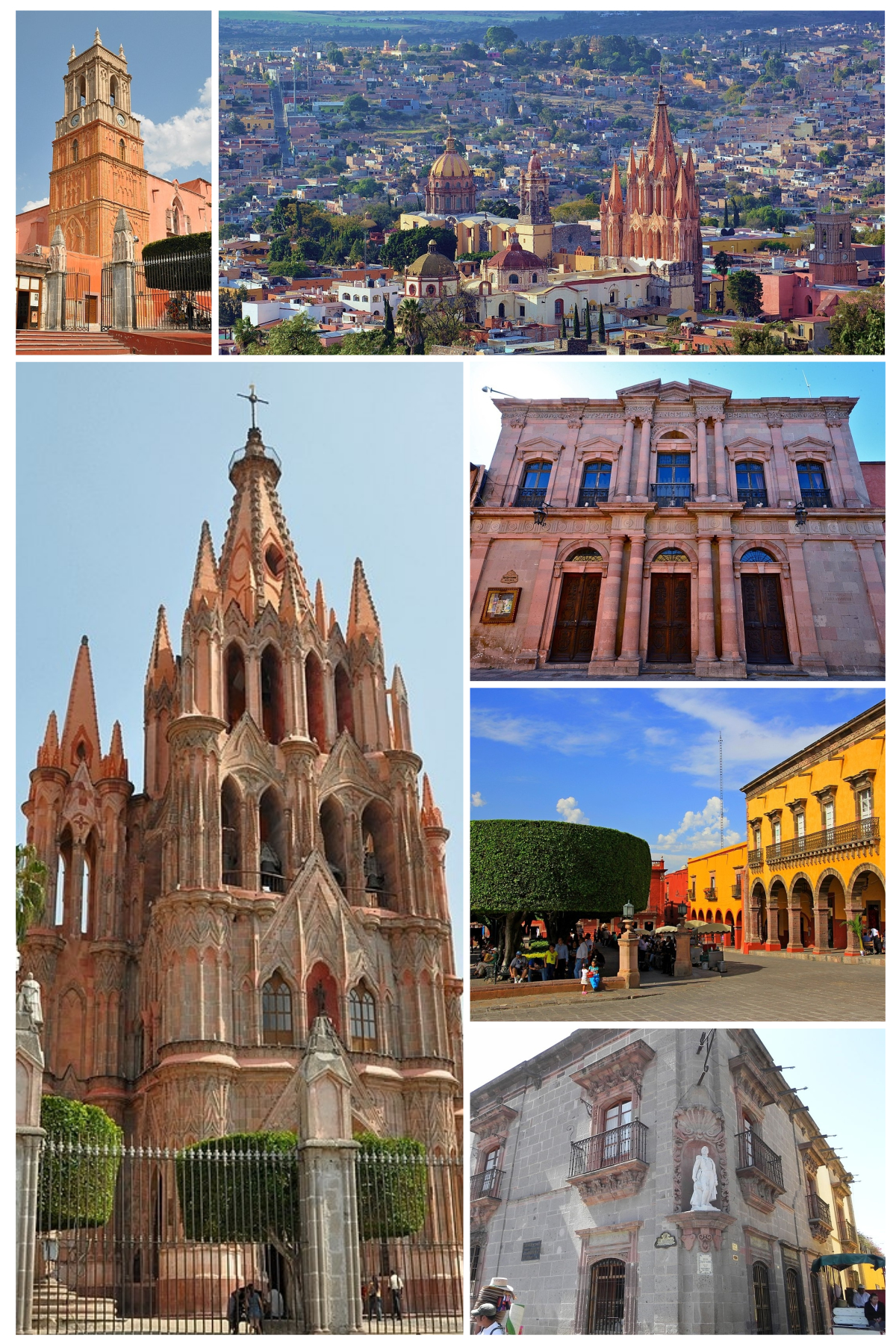
2. San Miguel de Allende — most charming
Colonial UNESCO town in central Mexico. Cobblestoned streets, Baroque churches, vibrant arts scene. ~10K+ American + Canadian retirees plus growing global community.
- Climate: 60-78°F year-round at 6,200ft elevation
- Cost (couple, mid-range): $2,200-3,500/month
- Rent (1-bed in Centro Histórico): $800-1,800/month (premium for charm)
- Healthcare: Hospital General + private clinics. Major care in León (1 hour) or Querétaro (1 hour)
- Pros: beautiful UNESCO architecture, vibrant arts + culture, excellent food + restaurant scene, walkable
- Cons: most expensive Mexican retirement city, growing tourist saturation, gentrification effects
3. Mérida (Yucatán) — emerging favorite
Mérida has been Mexico’s safest major city for years. Colonial center, Mayan heritage, growing American expat community. Hot but affordable.
- Climate: hot (75-95°F year-round, very humid May-Sep)
- Cost (couple, mid-range): $1,400-2,400/month
- Rent (1-bed in Centro): $400-900/month
- Healthcare: excellent — Hospital de Especialidades, Star Médica. Major medical tourism destination for North Americans
- Pros: safest Mexican city, Mayan heritage day trips, growing community, very affordable, walkable colonial center
- Cons: brutal summer humidity, fewer immediate beaches (Progreso is 30 min), smaller English-speaking community than Lake Chapala
4. Puerto Vallarta — beach + urban hybrid
Coastal city with arts + LGBTQ+ scene + strong infrastructure. Established American + Canadian retiree community. Year-round mild climate.
- Climate: 70-90°F year-round (warm coastal). Rainy June-October
- Cost (couple, mid-range): $2,000-3,200/month
- Rent (1-bed): $800-1,600/month
- Healthcare: Hospital San Javier + Cornerstone. Excellent coastal options
- Pros: beach access, strong LGBTQ+ community, lots of restaurants + nightlife, established expat community
- Cons: tourist economy can feel inauthentic, hurricane season Sept-Oct, real estate gentrification
5. Mexico City (CDMX) — for active urbanites
For retirees wanting metropolitan culture + intellectual scene + world-class dining. Roma + Condesa neighborhoods popular with international retirees.
- Climate: 50-78°F year-round (cool at 7,400ft elevation)
- Cost (couple, mid-range): $2,500-4,000/month
- Rent (1-bed in Roma/Condesa): $1,000-2,000/month
- Healthcare: excellent — Hospital ABC, Médica Sur. World-class private hospitals
- Pros: world-class culture, food, museums, cosmopolitan, growing nomad scene
- Cons: altitude can affect health, traffic + pollution, more expensive than smaller cities
Honorable mentions
- Tulum: beach + jungle. $2,500-4,500/month. Increasingly expensive, growing too fast
- Oaxaca City: cultural depth, food, mezcal. $1,400-2,300/month. Smaller expat community
- Mazatlán: beach + carnival culture. $1,800-2,800/month. Growing community
- San Cristóbal de las Casas: indigenous Chiapas highlands. $1,200-2,000/month. Cool climate, very local
Healthcare for retirees in Mexico
Mexico has tiered healthcare:
Private (most expats use)
- World-class hospitals: Hospital ABC (CDMX), Star Médica (Mérida), Hospital San Javier (PV), Hospital Pacheco (Lake Chapala)
- Cost: 30-50% of US prices. GP visit ~$30, specialist ~$60, hospitalization $200-500/day, major surgery $5K-25K vs $50K-200K in US
- Insurance options: private health insurance (AXA Mexico, GNP, Allianz Mexico) ~$2,500-5,000/year for couples 60+
- Direct pay: many retirees forgo insurance and pay out-of-pocket. Can be cheaper than US deductibles
IMSS (public)
- Eligibility: Permanent Residents (not Temporary)
- Cost: ~$500 USD/year per couple
- Quality: functional but slower wait times, mostly Spanish-speaking, fewer advanced procedures
- Best as supplement to private: for long-term care + chronic conditions
Cost of living comparison
Couple’s monthly retirement budget by city + lifestyle:
- Frugal (locally-priced lifestyle): $1,500-2,200/month — Mérida, Oaxaca, San Cristóbal
- Mid-range (typical American expat): $2,200-3,200/month — Lake Chapala, Mazatlán, Puerto Vallarta
- Comfortable (premium lifestyle): $3,200-5,000/month — San Miguel, CDMX Roma/Condesa, Tulum
- Luxury: $5,000+/month — premium Polanco/Lomas (CDMX), oceanfront PV/Tulum
Tax considerations
- Mexican tax residency: 183+ days/year triggers Mexican tax residency on worldwide income
- Pension income tax: Mexican rates 1.92-35% progressive. US Social Security partially taxed in Mexico (50-85% depending on amount)
- US-Mexico double-tax treaty: prevents double-taxation. Generally pay higher of two countries’ rates
- Capital gains: Mexican primary residence sales tax-free under specific conditions
- Real estate property tax: very low (~0.1-0.2% annually of assessed value, not market value)
- FATCA + FBAR: US citizens still file annually with IRS. Foreign accounts over $10K aggregate require FBAR
Recommendation: hire a Mexican tax adviser specializing in expats. Cross-border tax planning saves thousands annually.
Best Mexican retirement towns 2026
San Miguel de Allende — UNESCO + 10K American retirees
Colonial highlands, 6,200 ft elevation (so cool year-round, no AC needed), preserved 18th-century architecture, English widely spoken. America’s largest retirement enclave outside the US. 2-bed rentals $1,500-2,800/month. Best for retirees wanting culture + community + cooler climate. Trade-off: tourist prices, gentrification pushing locals out.
Lake Chapala / Ajijic — 30,000 expats, year-round spring
Mexico’s largest lake, 30 minutes from Guadalajara airport. Considered “world’s most perfect climate” (15-26C year-round). Ajijic and Chapala are the towns. Massive retiree infrastructure — bilingual doctors, English-speaking lawyers, Costco within 45 minutes. 2-bed rentals $1,000-1,800/month. Best for retirees seeking maximum support network at moderate cost.
Merida — Yucatan capital, safe, growing
Pre-Hispanic Mayan capital, 1 million people, surrounded by cenotes + beaches (Progreso 30 min). Hottest retirement location in Mexico — ranked safest large city. 2-bed colonial home rent $900-1,500/month, purchase $150K-350K. Best for retirees who want warm year-round + city amenities + safety. Trade-off: hot + humid May-September.
Puerto Vallarta — beach + LGBTQ+ friendly
Pacific Coast resort city, large Canadian + American + LGBTQ+ retiree community. Direct flights to US/Canada hubs. 2-bed condo rentals $1,200-2,500/month. Best for beach-loving retirees wanting active expat scene. Trade-off: tourist economy = seasonal price swings, hurricane season June-November.
Mazatlan + Oaxaca + Playa del Carmen
Mazatlan: more affordable Pacific beach, $800-1,500/month rentals. Oaxaca: foodie paradise, deep culture, less American (better Spanish required), $700-1,400/month. Playa del Carmen: Caribbean beaches, very international, $1,400-2,800/month, hurricane risk.
Mexican healthcare for retirees: IMSS, INSABI, private
Three layers, mix-and-match strategy:
- IMSS (Mexican Social Security): permanent residents can enroll for ~$500-700/year. Wait times can be long; quality varies by location. Best in major cities.
- INSABI (formerly Seguro Popular): universal basic coverage. Free at point of use for residents. Limited in scope.
- Private hospitals: Hospital CMQ (Vallarta), Hospital MAC (San Miguel), Star Medica (Merida), Hospital Angeles (nationwide). World-class care at 30-50% US prices direct-pay. Cataract surgery $2K (vs $4-5K US), hip replacement $12-15K (vs $35-50K US).
- Private insurance: Bupa, GNP, MetLife — couple 65+ premiums $300-600/month for comprehensive coverage including air evacuation to US for major care.
Most retirees use a combo: free IMSS for routine + cash for private specialists + a $300/month catastrophic policy for emergencies. Total medical spend often comes in 40-60% lower than US for equivalent or better quality.
Real cost of retiring in Mexico 2026
- Couple monthly comfortable San Miguel: $2,500-3,500
- Couple monthly comfortable Lake Chapala: $1,800-2,800
- Couple monthly comfortable Merida: $1,800-2,800
- Couple monthly comfortable Puerto Vallarta: $2,200-3,200
- 2-bed home purchase mid-range: $150K-350K
- Property tax (predial): 0.05-0.1% of assessed value (extremely low)
- Domestic help full-time: $300-500/month (very common for retirees)
- Healthcare comfortable monthly: $300-700/couple including private insurance
Mexico retirement timeline — full move-in
4-6 months from decision to permanent move:
- Month 1: Choose city (visit ideally — San Miguel + Lake Chapala in different seasons feel completely different). Determine financial path — Permanent Resident requires ~$200K savings OR ~$5,000/month income; Temporary Resident requires ~$60K savings OR ~$3,000/month.
- Month 2: Apply at Mexican consulate in your country. Fee $48 visa. Bring bank/income statements. After approval, you have 6 months to enter Mexico.
- Month 3: Fly to Mexico. Within 30 days of entry, complete residency at INM (Instituto Nacional de Migracion). Bring photos, fingerprints, fees ($350-450 USD).
- Month 4-5: Receive plastic residency card. Apply for RFC (Mexican tax ID) if planning to buy property or earn local income. Open Mexican bank account (BBVA, Citibanamex, Santander accept tourists/residents).
- Month 5-6: Settle. After 4 years on Permanent (or 5 years on Temporary then Permanent), can apply for Mexican citizenship.
Mexico retirement myths
Myth 1: Mexico is unsafe. Tourist + retiree zones (San Miguel, Lake Chapala, Merida, Vallarta) have crime rates LOWER than many US cities. Cartel violence concentrates in border cities + specific corridors, NOT retiree destinations. Check US State Department travel advisories — most retirement towns are Level 2 (“exercise increased caution”) or Level 1, same as France.
Myth 2: You need to speak Spanish. San Miguel + Lake Chapala + parts of Vallarta have functional English. Mexican Spanish is one of the easier dialects to learn (slower pace, clearer pronunciation than Spain). 6 months of casual study gets you to functional fluency.
Myth 3: US Medicare works in Mexico. No. Medicare does not cover ANY care outside the US. You need separate health coverage in Mexico. Many retirees keep Medicare for US trips + private Mexican coverage for daily life.
Myth 4: Property is hard for foreigners. Within 50km of coast/100km of border, foreigners hold property via fideicomiso (bank trust, $500-700/year fee). Outside those zones, foreigners can hold direct title. Process is straightforward with a notary.
Mexico vs Costa Rica vs Panama for retirees
Three Latin American retirement options compete:
- Mexico Temporary/Permanent: $3,000-5,000/month income or $60-200K savings, IMSS healthcare, dual visa paths, closest to US
- Costa Rica Pensionado: $1,000/month pension, Caja healthcare, lower threshold than Mexico Permanent
- Panama Pensionado: $1,000/month pension, territorial tax (0% on foreign income), best Pensionado discounts
Mexico wins on cost + proximity to US + variety. Costa Rica wins on healthcare + biodiversity. Panama wins on tax + Pensionado discounts + dollar economy.
Related: retire in Panama · retire in Costa Rica · best places to retire abroad globally.
Official Mexican government resources
- INM (Mexican immigration): gob.mx/inm
- Mexican consular network: embamex.sre.gob.mx
- SAT (Mexican tax authority): sat.gob.mx
- IMSS (healthcare): imss.gob.mx
- US State Department travel info: travel.state.gov
Importing belongings — Menaje de Casa
Permanent Resident visa holders qualify for Menaje de Casa (one-time household goods import) duty-free. The process:
- Inventory: detailed list of every item with serial numbers (electronics) + estimated values, certified at Mexican consulate before shipping
- Shipper: hire bilingual moving company experienced with Menaje (Atlas, Allied, Mexican brokers like Trafimar)
- Cost: typically $4,000-12,000 for full household contents to Mexico from US
- Restrictions: NO new items (must be used 6+ months), NO firearms, NO commercial quantities
Driving + vehicle import
Mexico recognizes US/UK/Canadian licenses for the duration of tourist + temporary status. Permanent residents must obtain Mexican license within 30 days. Vehicle import options:
- Temporary import (TIP): for Temporary Resident, valid 4 years, vehicle stays Mexican-plated
- Permanent import: Permanent Residents, vehicle gets Mexican plates, NAFTA-eligible cars (NA-built, 8-9 years old)
- Buy local: simpler — Mexican car market includes all major brands, dealers in San Miguel, Mérida, Vallarta
Bottom line: Mexico retirement
Mexico remains North America’s best-value retirement destination — proximity to US for family visits, established expat communities, dramatic cost savings on housing + healthcare + daily life, and rich cultural depth. Trade-offs: language barrier (less than Costa Rica or Panama), some bureaucratic friction, regional safety variation.
More retire-abroad guides: retire in portugal · best places to retire abroad 2026 · retire in panama.
FAQ
Can I drive in Mexico on US/Canadian license?
Yes for tourists. As Temporary or Permanent Resident, exchange for Mexican license at SCT office. US/Canadian licenses generally exchange directly without driving test.
What about my US Medicare?
Medicare doesn’t transfer to Mexico (with very limited exceptions for emergency cross-border care). Most retirees: keep Medicare for US visits + use Mexican private healthcare for daily needs. Some buy supplemental international plan (Cigna Global) for unique cases.
Can I bring pets?
Yes — Mexico has straightforward pet importation. Need certificate of good health (within 5 days of travel) + rabies vaccination. No quarantine. Most pets travel without issue.
Is Mexico safe for retirees?
Tourist destinations + expat enclaves are generally safe. Lake Chapala, San Miguel, Mérida, Puerto Vallarta have low tourist-crime rates. Avoid: northern border states (Tamaulipas, Sinaloa), parts of Acapulco. Use normal urban precautions.
Can I sell US house and buy Mexican home tax-free?
Mexican Hacienda allows primary residence sale tax-free under specific conditions (1+ year residence, no other Mexican real estate). Consult tax adviser for IRS implications on the US side.
What about Spanish?
Lake Chapala + San Miguel have largest English-speaking communities — possible to live without Spanish. Mérida + Puerto Vallarta less so. Mexico City + Oaxaca require Spanish for daily life. Most retirees take 1-3 months of Spanish classes ($200-500 per course) on arrival.
Bottom line: Mexico retirement
Mexico is the best-value retirement option for North Americans seeking established expat communities, world-class healthcare at fraction of US prices, mild climate options, and family proximity. Trade-offs: less cultural authenticity in heavy expat enclaves, navigating Mexican bureaucracy, healthcare quality varies by city.
Related: Mexico Temporary Resident visa · Mexico banking · best places to retire abroad globally.
✓ Last verified: May 6, 2026.
Further reading
- Cost of living in Penang, Malaysia 2026: expat monthly budget
- Cost of living in Budapest, Hungary 2026: expat monthly budget
- Cost of living in Medellín, Colombia 2026: monthly budget for expats
- Cost of living in Chiang Mai, Thailand 2026: monthly budget for expats
- Cost of living in Bali, Indonesia 2026: monthly budget for expats