Bangkok is huge and the neighborhoods are very different. Picking the wrong base means hours in traffic per day. Here’s the breakdown by traveler type.
Last verified: May 6, 2026.
Sukhumvit (the modern default)
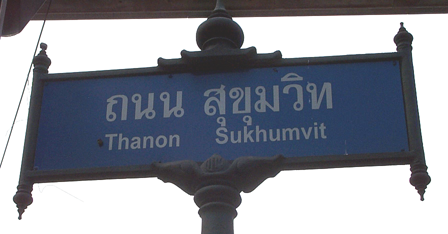
Modern, organized along the Sukhumvit Road corridor (Asok, Phrom Phong, Thong Lor, Ekkamai). Excellent BTS access. International chains, malls, modern cafes, expat scene. Best for: first-timers, business travelers, mid-to-high budget, those wanting modern amenities. Watch out for: less “Thai” atmosphere; could be Singapore.
Silom / Sathorn (business + nightlife)
Bangkok’s financial district. By day quiet. By night Patpong is the famous (touristy) night market. Excellent rooftop bars (Vertigo, Lebua Sky Bar). Best for: business travelers, luxury hotel hunters, rooftop-bar enthusiasts. Watch out for: weekday daytime can feel sterile; Patpong is more sad than fun.
Riverside (the upscale stay)
Along the Chao Phraya river. Mandarin Oriental, Peninsula, Shangri-La. Beautiful at sunset; iconic Thai luxury experience. Best for: luxury travelers, anniversaries, romantic stays. Watch out for: getting around requires more effort; the river-side hotels run their own boats but BTS access is moderate.
Khao San Road area (backpacker classic)
The famous backpacker street. Cheap dorms, infinite bars, easy social. Walking distance to the Grand Palace and Old City. Best for: budget travelers, first-time Asia trip. Watch out for: chaotic; not all of Bangkok is like this; bad BTS access.
Old City / Rattanakosin (history-focused)
Where the Grand Palace, Wat Pho, Wat Arun are. Quieter, more traditional. Beautiful at sunrise/sunset. Best for: returning visitors, history-focused travelers, photographers. Watch out for: limited modern amenities; you’ll need taxis or river boats to most modern parts of the city.
Ari (the local pick)
Up the BTS line from Sukhumvit. Where Bangkok’s creative class lives. Excellent cafes, street food, fewer tourists. Best for: longer-stay travelers (1+ week), digital nomads, returning visitors. Watch out for: 25 minutes by BTS to most tourist sites; nightlife is local-style, not international.
Quick decision matrix
- First-time visit, mid-budget: Sukhumvit (Asok or Phrom Phong)
- Backpacker on a tight budget: Khao San area
- Luxury / romance: Riverside
- Long-stay or returning: Ari
- Business or rooftops: Silom / Sathorn
- History focus: Old City / Rattanakosin
For activities once you arrive, our 17 things to do in Bangkok. For deciding between Bangkok and Chiang Mai for longer stays, see our comparison.
✓ Last verified: May 6, 2026.
Practical tips that make the difference
- Plan in advance: book major attractions + restaurants 4-8 weeks ahead in peak season. Cancellation is usually free up to 24-48 hours before arrival
- Use the local apps: country-specific transport, payment, and food delivery apps work better than generic international ones. Examples: Grab in SE Asia, Bolt in Europe, DiDi in China, MTR app in Hong Kong
- Carry small cash: card acceptance varies; small amounts in local currency saves moments. Always have $50-100 equivalent in cash for emergencies
- Travel insurance: even a $50 policy saves you from $5,000+ medical bills. Doctor visits abroad average $30-150; emergency rooms can run $1,500-15,000 for serious cases
- Photograph everything important: passport, BRP, important addresses, emergency numbers, insurance policy, contact details. Store in cloud + offline
- Get an eSIM before you fly: avoid paying $10-15/day in roaming charges. Airalo and Holafly start at $4 for short trips
Common mistakes to avoid
- Booking too tight: build 30-50% buffer between commitments. Strikes, weather, jet lag all cause delays
- Skipping local etiquette: brief research on greetings, tipping, and dress codes saves embarrassment
- Eating at tourist-trap restaurants near monuments: walk 2-5 minutes off main squares for better food at lower prices
- Underestimating walking: most European + Asian cities are walked, not driven. Comfortable shoes essential. Plan for 15,000-25,000 steps per day on active travel
- Ignoring transit cards: city travel cards (Oyster, Suica, Navigo, etc.) are 30-50% cheaper than single tickets
- Booking accommodation by stars rating only: read reviews from past 6 months specifically. Old reviews can mislead about current state
Money-saving strategies
- Free walking tours: most major cities have tip-based walking tours. Excellent way to orient yourself + learn history. Sandeman, Free Tour brand operate in 30+ cities
- Lunch menus vs dinner: many restaurants offer lunch fixed-price menus 30-50% cheaper than equivalent dinner
- Public transport day passes: usually 2-3x cheaper than 4 single tickets
- Book flights mid-week, fly Tuesday/Wednesday: typically cheapest days. Avoid Friday and Sunday flights
- Hostel private rooms: 20-30% cheaper than hotels for similar quality. Many have great social common areas
- Local SIM cards in 3+ week stays: cheaper than eSIM for longer stays in single country
When to consider a guide or local expert
For more complex situations — multi-country tax planning, complicated visa applications, or substantial property purchases — engaging a regulated professional saves money and stress in the long term. Look for: OISC-registered immigration advisers (UK), Spanish gestores (Spain), German Steuerberater (Germany), or cross-border tax specialists (any country). For travel-specific questions, local certified tour guides offer expertise generic guides can’t match.
Further reading
- Cost of living in Málaga, Spain 2026: digital nomad and expat budget
- Cost of living in Buenos Aires, Argentina 2026: expat monthly budget
- Cost of living in Split, Croatia 2026: expat and digital nomad budget
- Cost of living in Porto, Portugal 2026: expat monthly budget
- Cost of living in Penang, Malaysia 2026: expat monthly budget