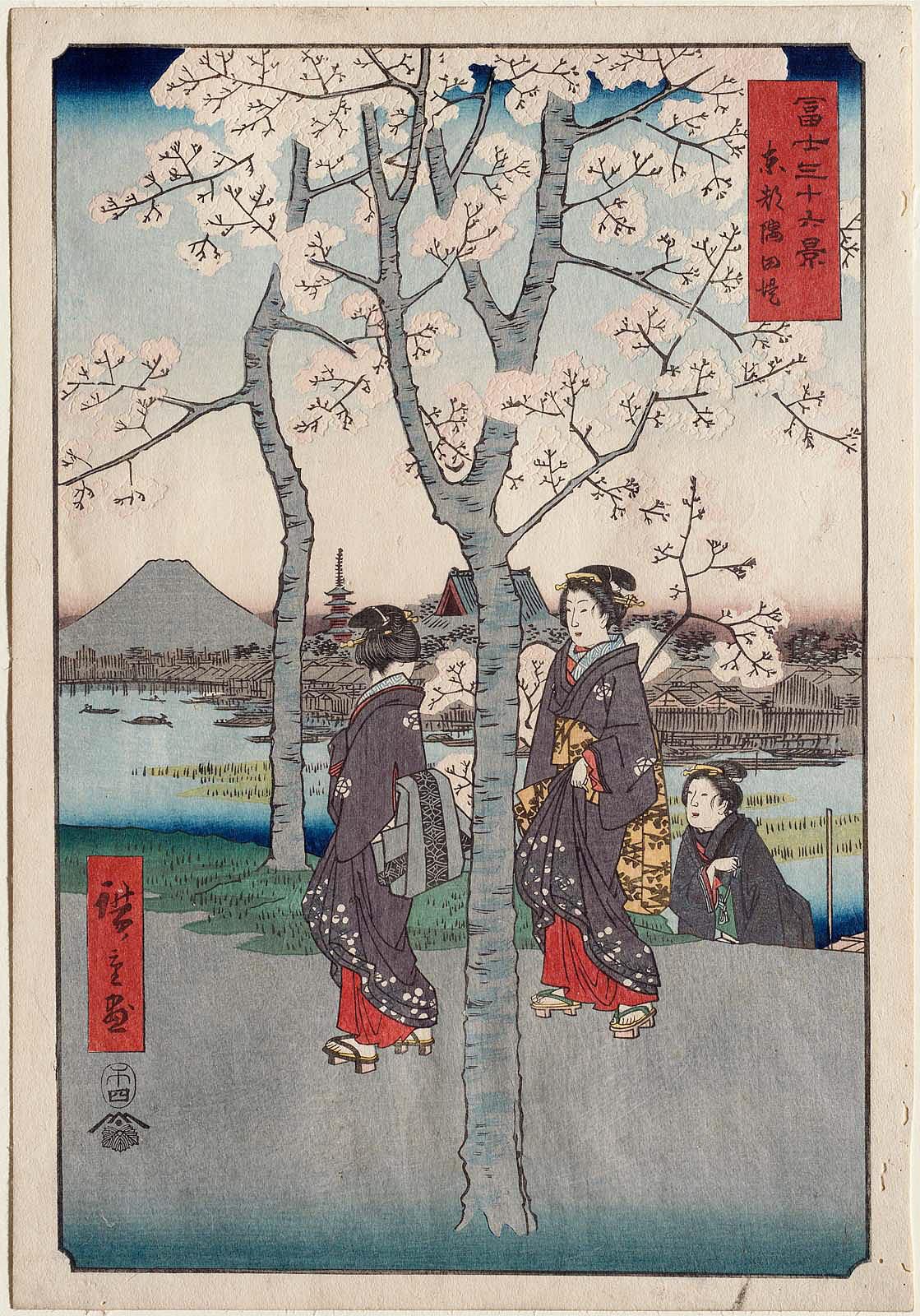
Cherry blossoms get the marketing budget, but Japan’s autumn is arguably better and far less crowded. Winter is underrated. Summer is brutal. Here’s the honest month-by-month for 2026.
Last verified: May 5, 2026.
The short answer
Best overall: mid-October to late November (autumn leaves) and mid-March to early April (cherry blossoms, but expect crowds). If you want to avoid crowds entirely: January or February. Avoid June (rainy season) and late July–August (heat + humidity that locals describe as “painful”).
Cherry blossom season — the truth
The bloom moves north from Okinawa (late January) to Hokkaido (early May). For Tokyo and Kyoto: March 25 – April 5 is typical peak in 2026, but it’s a 7–10 day window that varies wildly with weather. The Japan Meteorological Agency publishes forecasts starting in February.
Reality check: Hotel prices double or triple. Popular viewing spots like Maruyama Park (Kyoto), Ueno (Tokyo), Mount Yoshino (Nara) are walk-shoulder-to-shoulder packed. If you want the iconic photo and don’t mind crowds, fine. If you want to actually experience Japan, autumn is calmer and more beautiful.
Autumn (mid-October to late November)
Foliage moves south from Hokkaido (mid-October) to Kyoto and Tokyo (mid-November to early December). Temperatures: 10–20°C, perfect for walking. Crowds are about 60% of cherry blossom levels. Hotel prices 40–60% lower. The autumn light in Kyoto’s temples — Tofuku-ji, Eikan-do, Kiyomizu-dera — is what most photographers actually shoot.
Summer (June – August): why to avoid
June is rainy season (tsuyu) — not constant rain, but unpredictable downpours that affect outdoor sightseeing. July and August reach 30–35°C with humidity over 75%. Mt. Fuji climbing season opens July, but the rest of Japan is uncomfortable. The exception: festivals (matsuri) like Gion in Kyoto (July) and Awa-Odori in Tokushima (August) are extraordinary — if you’re specifically chasing those, fine. Otherwise wait.
Winter (December – February): underrated
Dry, sunny, cold but not brutal in cities (Tokyo 5–12°C). Mount Fuji is at its photogenic best, often visible from Tokyo. Hokkaido has world-class powder skiing (Niseko, Furano) at prices that undercut Europe and North America. The Sapporo Snow Festival (early February) is a destination of its own. Hot springs (onsen) are at their most magical in winter.
Insurance and practicalities
Japan has excellent public healthcare but it’s expensive for foreigners without insurance. Travel insurance like SafetyWing covers the gap. Tour bookings via GetYourGuide or Viator have free cancellation up to 24h, useful given Japan’s weather variance.
✓ Last verified: May 5, 2026.
Practical tips that make the difference
- Plan in advance: book major attractions + restaurants 4-8 weeks ahead in peak season. Cancellation is usually free up to 24-48 hours before arrival
- Use the local apps: country-specific transport, payment, and food delivery apps work better than generic international ones. Examples: Grab in SE Asia, Bolt in Europe, DiDi in China, MTR app in Hong Kong
- Carry small cash: card acceptance varies; small amounts in local currency saves moments. Always have $50-100 equivalent in cash for emergencies
- Travel insurance: even a $50 policy saves you from $5,000+ medical bills. Doctor visits abroad average $30-150; emergency rooms can run $1,500-15,000 for serious cases
- Photograph everything important: passport, BRP, important addresses, emergency numbers, insurance policy, contact details. Store in cloud + offline
- Get an eSIM before you fly: avoid paying $10-15/day in roaming charges. Airalo and Holafly start at $4 for short trips
Common mistakes to avoid
- Booking too tight: build 30-50% buffer between commitments. Strikes, weather, jet lag all cause delays
- Skipping local etiquette: brief research on greetings, tipping, and dress codes saves embarrassment
- Eating at tourist-trap restaurants near monuments: walk 2-5 minutes off main squares for better food at lower prices
- Underestimating walking: most European + Asian cities are walked, not driven. Comfortable shoes essential. Plan for 15,000-25,000 steps per day on active travel
- Ignoring transit cards: city travel cards (Oyster, Suica, Navigo, etc.) are 30-50% cheaper than single tickets
- Booking accommodation by stars rating only: read reviews from past 6 months specifically. Old reviews can mislead about current state
Money-saving strategies
- Free walking tours: most major cities have tip-based walking tours. Excellent way to orient yourself + learn history. Sandeman, Free Tour brand operate in 30+ cities
- Lunch menus vs dinner: many restaurants offer lunch fixed-price menus 30-50% cheaper than equivalent dinner
- Public transport day passes: usually 2-3x cheaper than 4 single tickets
- Book flights mid-week, fly Tuesday/Wednesday: typically cheapest days. Avoid Friday and Sunday flights
- Hostel private rooms: 20-30% cheaper than hotels for similar quality. Many have great social common areas
- Local SIM cards in 3+ week stays: cheaper than eSIM for longer stays in single country
When to consider a guide or local expert
For more complex situations — multi-country tax planning, complicated visa applications, or substantial property purchases — engaging a regulated professional saves money and stress in the long term. Look for: OISC-registered immigration advisers (UK), Spanish gestores (Spain), German Steuerberater (Germany), or cross-border tax specialists (any country). For travel-specific questions, local certified tour guides offer expertise generic guides can’t match.
Further reading
- Cost of living in Málaga, Spain 2026: digital nomad and expat budget
- Cost of living in Buenos Aires, Argentina 2026: expat monthly budget
- Cost of living in Split, Croatia 2026: expat and digital nomad budget
- Cost of living in Porto, Portugal 2026: expat monthly budget
- Cost of living in Penang, Malaysia 2026: expat monthly budget