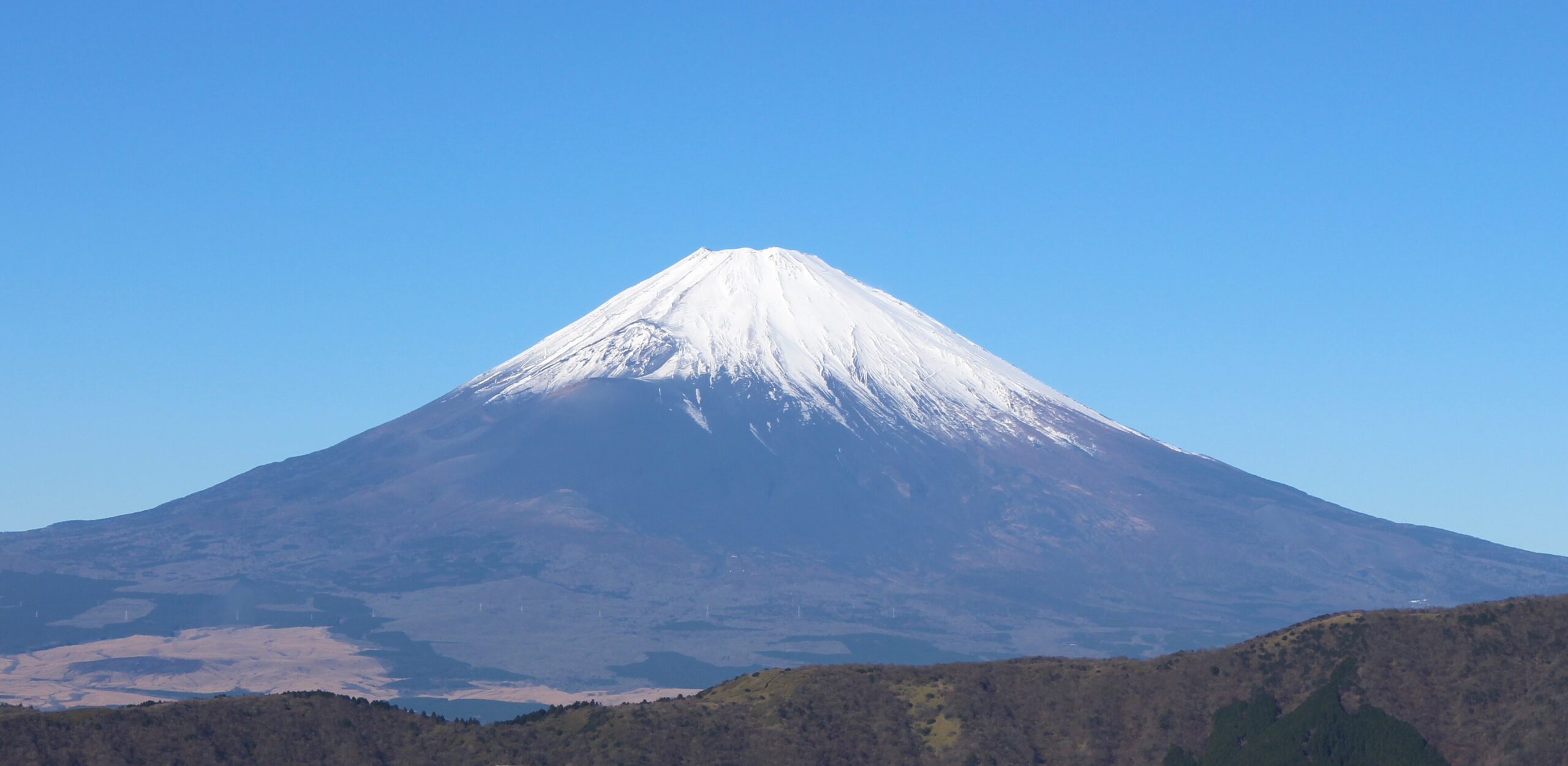
Tokyo, Kyoto, Osaka in ten days. The classic Japan first-timer route, paced for jet lag and overwhelm rather than maximum efficiency. What to book ahead, where to splurge, what to actually skip.
Last verified: May 5, 2026.
Days 1–4: Tokyo
Land at Narita or Haneda. Get a Suica/Pasmo card immediately. Take the train into the city — do not take a taxi from Narita (90+ min, ¥25,000). Stay in Shinjuku, Shibuya, or Ginza for first-timers; Asakusa for atmosphere.
- Day 1: Shibuya scramble + Meiji Shrine. Light dinner. Sleep early.
- Day 2: Asakusa morning (Senso-ji), Akihabara afternoon, dinner in Shinjuku Omoide Yokocho.
- Day 3: Tsukiji Outer Market breakfast, teamLab Planets afternoon (book 2 weeks ahead), dinner anywhere.
- Day 4: Day trip to Hakone OR Kamakura. Hot springs and Mt. Fuji on clear days.
Day 5: Tokyo → Kyoto
Shinkansen (bullet train) at 9 or 10am. 2h15 to Kyoto. Drop bags. Afternoon: Fushimi Inari Shrine (the famous orange torii path). Go in the late afternoon, climb at least to the “midpoint shrine” (~30 min), keep going if energy.
Days 6–7: Kyoto
- Day 6: East Kyoto (Higashiyama) circuit — Kiyomizu-dera, Yasaka, Maruyama Park, walk down Sannenzaka and Ninenzaka, end at Kodaiji or Chion-in.
- Day 7: West/North Kyoto — Arashiyama bamboo grove early (before 8am to avoid crowds), Tenryu-ji temple, Kinkaku-ji (Golden Pavilion) afternoon, evening in Pontocho or Gion.
Eat at: a kaiseki ryokan dinner if budget allows (book 2 months ahead via cultural experience tours); otherwise tonkatsu at Katsukura, sushi at Izuju, ramen at Honke Daiichi-Asahi.
Day 8: Kyoto → Osaka (or daytrip Nara)
Option A: Move to Osaka in the morning (15 min by Shinkansen). Spend afternoon at Osaka Castle, evening in Dotonbori (food street). Option B: Day trip to Nara (deer + Todai-ji temple); return Kyoto.
Days 9–10: Osaka
Osaka is Tokyo’s opposite — food-obsessed, less polished, more chaotic. Eat: takoyaki, okonomiyaki, kushikatsu, ramen. Visit: Osaka Castle, Sumiyoshi Taisha shrine, an underrated district called Tennoji. Day 10: morning to Kansai Airport (KIX). Direct train (Haruka Express) is 50 min.
JR Pass yes or no?
The 7-day Japan Rail Pass increased to about ¥50,000 in October 2023. For this exact itinerary, the pass is now usually NOT cost-effective — individual Tokyo-Kyoto and Kyoto-Osaka tickets total around ¥15,000. Pay per ride. Use the pass only if you’re including more cities or planning a Hokkaido side trip.
What to skip
- Hiroshima as a day trip from Kyoto (4 hours each way)
- The Tsukiji Inner Market (it moved to Toyosu in 2018)
- Akihabara’s maid cafes (overrated)
- The Skytree (better views from Mori Tower or Shibuya Sky)
✓ Last verified: May 5, 2026.
Tokyo (Days 1-3): the essential neighborhoods
Tokyo is too big to ‘see’ in 3 days. Pick 4 neighborhoods and dive deep rather than scratching the surface of 10. Recommended: Shinjuku/Shibuya (modern), Asakusa (traditional), Harajuku/Omotesando (fashion), Akihabara/Ueno (otaku + museums).
Where to stay: Shinjuku for first-timer convenience (3 train lines, walking distance to nightlife). Shibuya if you’re into fashion and dining. Ginza for luxury. Asakusa for traditional/budget.
Hakone or Nikko side trip (Day 4)
Two excellent day-trip options from Tokyo:
- Hakone: hot springs town with Mt Fuji views. Hakone Free Pass (¥6,100) covers all transport. Highlights: Lake Ashi pirate ship, Owakudani sulfur valley, ryokan onsen overnight
- Nikko: UNESCO temple complex 2 hours north. Highlights: Toshogu Shrine (Tokugawa Ieyasu mausoleum), Kegon Falls, Lake Chuzenji
Hakone is closer (90 min) and has better hot springs. Nikko is more religious/historical. Pick based on your interest.
Kyoto (Days 5-7): timing is everything
Kyoto’s biggest temples are spectacular at 7am and miserable at 11am. The crowds are overwhelming. Plan around them:
- Day 5 — Eastern Kyoto: Fushimi Inari at 6:30am (1,000 torii gates). Then Kiyomizu-dera by 9am. Lunch at Nishiki Market. Afternoon: Gion district, Yasaka Shrine. Evening: maiko-spotting near Pontocho
- Day 6 — Northern + Western Kyoto: Kinkaku-ji (Golden Pavilion) at 8am opening. Ryoan-ji rock garden. Late morning: Arashiyama bamboo grove (8:30am ideal). Afternoon: Tenryu-ji + monkey park
- Day 7 — Day trip Nara: 45 min by JR. Todai-ji giant Buddha + free-roaming deer. Return to Kyoto by evening
Osaka (Days 8-9): food capital + day trip Himeji
Osaka is Japan’s food obsession. Two days minimum:
- Day 8: Osaka Castle morning. Afternoon: Dotonbori (the iconic neon district) + Shinsaibashi shopping. Evening: street food crawl — takoyaki, okonomiyaki, kushikatsu
- Day 9: Day trip to Himeji Castle (45 min by Shinkansen, Japan’s most spectacular castle). Or Kobe (15 min) for famous beef. Return to Osaka night
Day 10: return Tokyo or fly home
Shinkansen Osaka → Tokyo: 2h22 (¥14,500). Many fly direct from Osaka Kansai (KIX) which is often cheaper than connecting through Tokyo.
Transport reality: JR Pass vs point-to-point
The JR Pass paid off for tourists for decades — until October 2023, when prices increased 70%. Now math has shifted:
- 7-day JR Pass: ¥50,000 (was ¥29,650). Only worth it for 4+ Shinkansen trips
- For this 10-day itinerary: point-to-point tickets total ~¥35,000-40,000. Cheaper than a 14-day JR Pass (¥80,000)
- Alternative passes: JR East Pass, Kansai Pass, Hokuriku Arch Pass — regional passes still good value
- Suica / IC card: rechargeable card for local trains/buses. Top up ¥3,000-5,000 to start; refundable on departure
Costs (mid-range, per person, 10 days)
- Flights US→Japan: $700-1,500 round-trip (cheapest Tuesday)
- Hotels: ¥10,000-18,000/night × 9 nights = ¥90,000-162,000 ($600-1,100)
- Trains (point-to-point): ¥35,000-45,000 ($230-300)
- Food: ¥4,000-8,000/day × 10 = ¥40,000-80,000 ($270-540)
- Attractions + temples: ¥15,000-25,000 ($100-170)
- Total mid-range trip: $2,500-4,000 per person
When to go
Cherry blossoms (sakura) peak end of March in Tokyo, first week April in Kyoto. Book hotels 6+ months ahead for these dates. Autumn leaves (kōyō) peak mid-November in Kyoto. Winter (Jan-Feb) is cheaper but cold; summer (Jul-Aug) brutal humidity.
What to skip on a first Japan trip
- Tokyo Tower: Shibuya Sky and Tokyo Metropolitan Government Building observation deck (free) have better views
- Robot Restaurant: closed in 2020, replaced by Samurai Restaurant — equally tourist-trappy
- ‘Ninja restaurant’ chains: overpriced theatrical experiences
- Mt Fuji 5th Station tour buses: 4-hour bus rides to a parking lot. Better: stay in Hakone or Kawaguchiko for views
Related: best time to visit Japan · Tokyo guide · Kyoto guide.
Cost-saving strategies for Japan in 2026
Japan in 2026 with weak yen is significantly cheaper than 2019. But there are still ways to save:
- Shinkansen reservations vs non-reserved: non-reserved seats are 10% cheaper, available on most routes. Sit in cars 1-3 (non-reserved); reserved cars are 4-13
- Convenience store food: 7-Eleven, Lawson, FamilyMart have surprisingly good 800-1,200 yen meals (rice balls, bento, fresh sandwiches)
- Sushi conveyor belts: Sushiro, Hama Sushi — 100 yen per plate, decent quality. Sushi splurge meals at small places: 5,000-15,000 yen
- Free observation decks: Tokyo Metropolitan Government Building (north + south) free; Shibuya Sky paid. Tower views = paid; gov building = free
- Temples + shrines mostly free: Senso-ji, Meiji, Yasaka, Fushimi Inari, Kiyomizu all free or 300-500 yen entry
Japanese cultural norms tourists miss
- Bowing: a slight bow when saying thanks is appreciated. Deep bows reserved for formal contexts
- Shoes off indoors: in homes, traditional restaurants (tatami), some shops (try-on areas), and ALWAYS in temples/shrines requiring it
- Tipping: not customary anywhere in Japan. Some hotels/tours have changed for foreigners but generally don’t tip
- Eating while walking: generally rude. Eat near the place you bought from
- Loud talking on trains: taboo. Phone on silent, conversations whispered
- Tattoos at onsen (hot springs): traditionally banned. Use covering plasters or find tattoo-friendly onsens
Booking accommodation for Japan
- Booking.com vs Agoda vs Rakuten Travel: Rakuten Travel often cheaper for Japan-specific hotels. Agoda strong for budget options. Booking.com for premium chains
- Capsule hotels: 3,000-6,000 yen/night. Tokyo (Shinjuku, Akihabara) and Osaka (Namba) have great options. Try the experience once
- Ryokan: traditional inn with onsen + kaiseki dinner. 20,000-50,000 yen/night per person. Hakone, Kyoto, Kanazawa best regions
- Airbnb in Japan: regulated since 2018; legitimate listings only. Many less-strict ‘minpaku’ became unavailable. Hotels often better deal
Detailed Tokyo neighborhood guide for first-timers
- Shinjuku: business + entertainment hub. Best for first-timers — central, walkable, 24-hour energy. Stay near Shinjuku station for transit access
- Shibuya: famous crossing, fashion district, dining scene. Younger, trendier than Shinjuku
- Ginza: luxury shopping, Michelin-starred restaurants. Quieter, more refined. Less budget-friendly accommodation
- Roppongi: nightlife, expat-heavy, art galleries. Less authentic Tokyo experience but easier for English speakers
- Asakusa: traditional temples (Senso-ji), old Tokyo feel. Quieter at night
- Akihabara: electronics, otaku culture, anime/manga shops. Day trip from your base, not necessarily a place to stay
Day trip options from Kyoto and Osaka
- Nara (45 min from Kyoto): Todai-ji giant Buddha + free-roaming deer + Kasuga Taisha shrine. Half-day trip
- Himeji Castle (45 min from Osaka): Japan’s most spectacular castle. Half-day trip
- Kobe (15 min from Osaka): famous beef + harbor views. Easy half-day
- Hiroshima + Miyajima (1.5h from Osaka): Peace Memorial + floating torii gate. Full day, intense + memorable
- Uji (30 min from Kyoto): matcha capital + Byōdō-in temple (the 10 yen coin). Half-day
- Mt Koya (Wakayama, 2h from Osaka): Buddhist temple stay (shukubo) experience
Japan-specific common mistakes
- Buying JR Pass without doing math: 7-day JR Pass at ¥50,000 only pays off for 4+ Shinkansen trips. Calculate before buying
- Cherry blossom season planning: hotels book 6+ months ahead. Book before December if going late March-early April
- Tipping anything: tipping = rude in Japan. Just say ‘arigato gozaimasu’ (thank you very much)
- Skipping cash: still cash-heavy society. Carry ¥10,000-20,000 cash for small restaurants, vending machines, temples
- Ordering wrong: tap water and tea are free at sit-down restaurants. Ordering soft drinks adds ¥300-500 per person
Packing for Japan: what we’d actually bring
- Travel adapter: Type C/F (most of EU), Type B (Japan/Mexico/Vietnam), Type G (UK)
- Power bank: 10,000 mAh minimum. Long days of phone use (maps, photos, Google Translate) drain batteries fast
- Comfortable walking shoes: 15,000-20,000 steps/day is normal on these itineraries. Break them in beforehand
- Light layers: mornings often cool, afternoons warm. Mediterranean countries go from 15°C dawn to 30°C noon
- Reusable water bottle: tap water safe in EU + Japan. Refill stations everywhere. Saves $2-5/day
- Day backpack: 20-25L. Anti-theft features useful in tourist crowds
- Travel insurance documents: printed + digital copies
- Two payment methods: primary card + backup. Cards skim issues happen
Essential apps for this trip
- Maps: Google Maps (offline downloaded), Maps.me as backup
- Translation: Google Translate (with camera + downloaded language packs offline)
- Booking: Booking.com, Agoda, Trip.com (sometimes cheaper)
- Train tickets: country-specific apps (Trenitalia, Renfe, SNCF, JR, etc.)
- Local transport: Uber/Lyft/Grab/Bolt depending on country
- Currency conversion: XE Currency for instant conversion + offline rates
- Restaurant reservations: TheFork (EU), OpenTable (US/Japan), local equivalent
Emergency contact info to save before departure
- Local police: 112 (EU + UK), 110 (Japan), 091 (Mexico, Spain), 113 (Vietnam police), 100 (UK + Greece)
- Medical emergency: 112 (EU), 119 (Japan), 911 (Mexico), 115 (Vietnam ambulance)
- Embassy contact: save your country’s embassy in destination capital
- Travel insurance hotline: usually 24/7 international
- Bank/credit card emergency: save card-block hotline numbers BEFORE traveling
- Hotel + accommodation addresses: save in language of destination + English
Budget tiers compared for Japan
- Backpacker tier: ¥6,000-9,000 ($40-60)/day. Hostels, public transport, street food + grocery, free attractions, walking
- Mid-range tier: ¥14,000-22,000 ($95-150)/day. 3-star hotels or Airbnbs, mix of trains + buses, restaurants for 2 meals/day, paid attractions, occasional taxi
- Comfort tier: ¥25,000-40,000 ($170-270)/day. 4-star hotels, private transfers, restaurant meals, premium tours, no logistical stress
- Luxury tier: ¥50,000+ ($340+)/day. 5-star + boutique hotels, private guides, fine dining, private drivers
Most travelers comfortable on this itinerary spend mid-range. Backpacker version requires planning + flexibility. Comfort tier removes most logistical headaches but adds 50-80% to total cost.
Final thoughts on this itinerary
This itinerary covers the iconic experiences without rushing. The pace assumes you’re prepared to walk 15,000-20,000 steps daily and manage 3-4 hours of trains/transfers across the trip. If you have less stamina or want more relaxation built in, drop one destination and lengthen each. If you have more time, the variations and extensions above show how to expand.
The single biggest determinant of whether this trip works: book the must-have reservations 4-8 weeks ahead. Skip-the-line tickets, popular restaurants, and limited-capacity attractions sell out reliably in peak season. The more you can lock down before flying, the more flexibility you have for spontaneous discoveries during the trip.
Further reading
- Cost of living in Málaga, Spain 2026: digital nomad and expat budget
- Cost of living in Buenos Aires, Argentina 2026: expat monthly budget
- Cost of living in Split, Croatia 2026: expat and digital nomad budget
- Cost of living in Porto, Portugal 2026: expat monthly budget
- Cost of living in Penang, Malaysia 2026: expat monthly budget