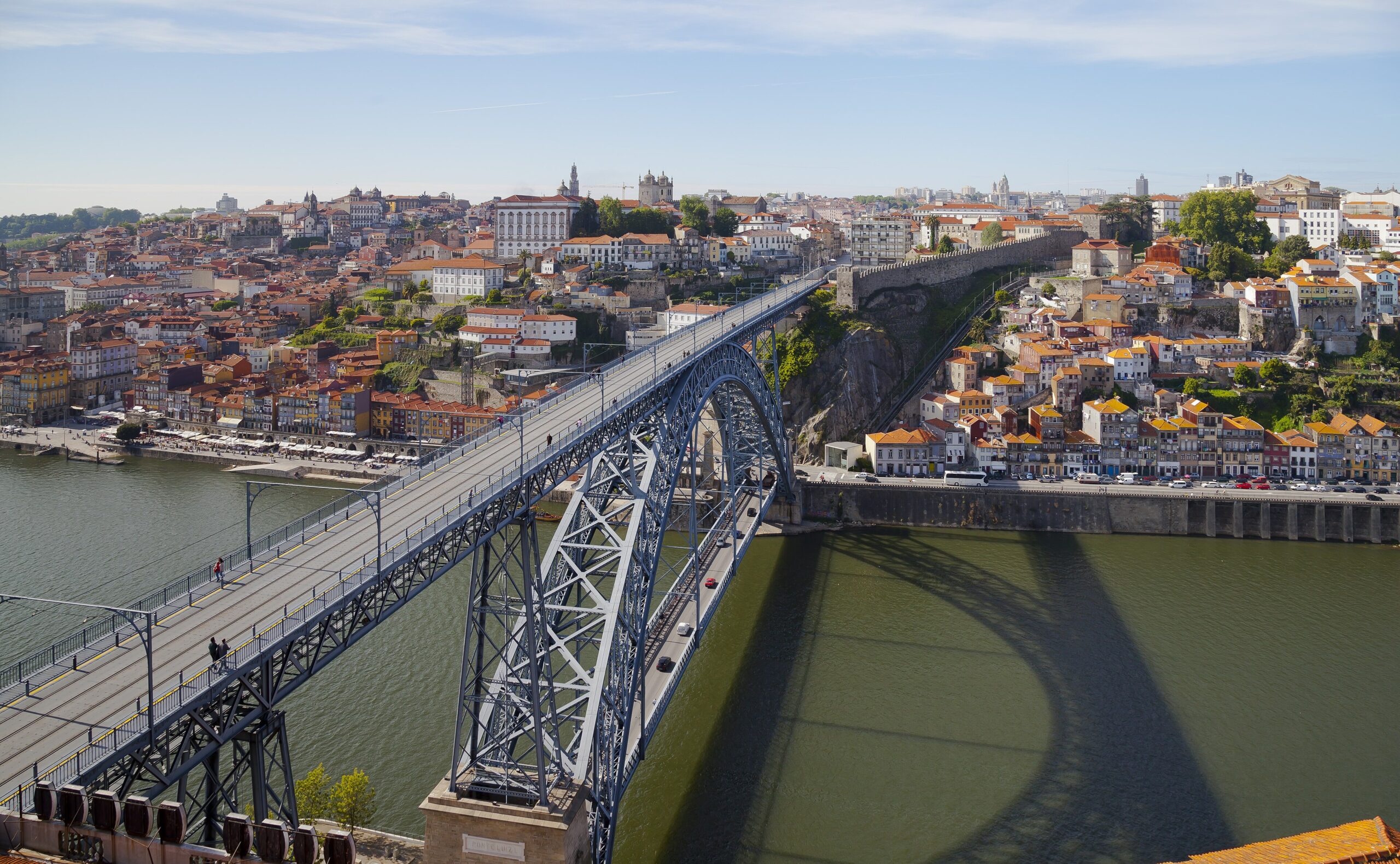
10 days in Portugal lets you do Lisbon and Porto right, plus the Douro Valley wine country and one Alentejo or coastal day. Here’s the 2026 plan that doesn’t exhaust you.
Last verified: May 6, 2026.
Day 1–3: Lisbon
- Day 1 arrival: Alfama walking + fado dinner (jet-lag-friendly)
- Day 2: Belém + Mosteiro dos Jerónimos + LX Factory
- Day 3: Sintra day trip (Pena + Quinta da Regaleira)
Day 4: Évora (Alentejo)
Train Lisbon→Évora 1.5 hours. Wander historic center, see Capela dos Ossos, dinner of black pork + alentejano wine. Stay overnight or train back to Lisbon.
Day 5: Coimbra (en route to Porto)
Train Lisbon→Coimbra 2 hours. Half-day at Coimbra University (Joanina Library) + lunch. Continue to Porto by evening (1.5 hour train).
Day 6–8: Porto
- Day 6: Old town walking — Ribeira, Sé, Livraria Lello, São Bento station
- Day 7: Port wine cellars (Vila Nova de Gaia) — Sandeman, Graham’s, Taylor’s
- Day 8: Day trip to Douro Valley (book a small-group tour)
Day 9: Aveiro + Costa Nova
Day trip from Porto (1 hour by train). Canal city + striped beach houses. Or: Braga (religious heart) or Guimarães (Portugal’s birthplace).
Day 10: Departure
Fly out from Porto, or train back to Lisbon (2.5 hours by Alfa Pendular).
Logistics
- Trains: CP (Comboios de Portugal). Alfa Pendular fastest. Book online for fixed seats.
- Car needed? Optional. Skip car for cities; rent for Douro day if not on a tour
- Cost: €1,800–€3,000/person mid-range incl. flights from US
- SafetyWing insurance: ~$50/month link
Related: best time to visit Portugal · things to do in Lisbon.
✓ Last verified: May 6, 2026.
The Lisbon to Porto via Alentejo route, expanded
Lisbon (3) → Évora/Alentejo (1) → Coimbra (1) → Porto (3) → Douro (1) → return (1) = 10 perfectly-paced days. The Alentejo detour is what separates great Portugal trips from rushed ones.
Days 1-3 — Lisbon
Follow our Lisbon 3-day plan in detail. Key musts:
- Day 1: Alfama walking + fado dinner
- Day 2: Belém (Mosteiro dos Jerónimos + LX Factory + pastéis de Belém)
- Day 3: Sintra day trip (Pena Palace + Quinta da Regaleira)
Day 4 — Évora (Alentejo)
- Train Lisbon Oriente → Évora: 1h30, €15
- Capela dos Ossos (Bone Chapel) — 5,000 monk skeletons; 5 minutes from main square
- Roman Temple of Diana — 1st century, remarkably preserved
- Lunch: black pork (porco preto) + Alentejano red at Restaurante Fialho
- Stay overnight in Évora (recommended) or train back to Lisbon evening
Day 5 — Coimbra en route to Porto
- Train Évora → Coimbra (3h via Lisbon)
- Half-day in Coimbra: University (oldest in Portugal, 1290) + Joanina Library (timed tickets, €13)
- Lunch: chanfana (goat stew) at Trovador
- Continue to Porto by evening (1h30 train)
Days 6-8 — Porto
- Day 6: old town walking — Ribeira riverfront, Sé Cathedral, Livraria Lello (€8 entry but iconic), São Bento station
- Day 7: Vila Nova de Gaia (the OTHER side of the river) for port wine cellars: Sandeman, Graham’s, Taylor’s. Tasting €12-25 each
- Day 8: full-day Douro Valley tour. Train + small group, €70-120/person. Quintas, vineyards, river cruise lunch
Day 9 — Aveiro + Costa Nova
- Train Porto → Aveiro: 1h, €10
- Aveiro: ‘Venice of Portugal’, moliceiro boats on the canals
- Costa Nova: striped beach houses, fresh seafood lunch
- Return to Porto evening
Day 10 — Departure
Fly out from Porto (OPO) or train 2h30 back to Lisbon for international flights.
Transport details
- CP (Comboios de Portugal): book online cp.pt. Alfa Pendular = fastest tier, Intercidades = standard
- Booking timing: 60+ days ahead for best fares (50% discount). Same-day = 2x price
- Lisbon Card / Porto Card: if visiting many museums, worth it. €22-44/day depending on duration
- Driving instead: car rental cheap (€25-40/day) but parking in Lisbon/Porto is hard. Recommended only for Douro Valley + Alentejo
Costs (mid-range, 10 days)
- Flights US→Lisbon: $600-1,100
- Accommodations (€100-180/night × 9): €900-1,620
- Transport (trains + Douro tour): €200-300
- Food + tastings: €500-800
- Activities/tickets: €100-200
- Total ground costs: €1,700-2,920 per person
Best time to visit Portugal
Late April through June and September-October are ideal. July-August is hot inland (Évora 35°C+) and crowded on the coast. Winter (December-March) is cool but mild — Lisbon stays 10-15°C, Algarve coast still pleasant.
- Cherry blossom season Sintra: late March-early April
- Festas Lisboa Santos Populares: June 12-13
- São João Porto: June 23-24, massive street festival
- Wine harvest Douro: late September-early October
Variations to this route
- + Algarve (3 days): drop Coimbra and Aveiro, add Faro/Lagos coastal days. Better in summer
- + Madeira (3-4 days): fly out separately. Subtropical island, hiking, levadas
- + Azores (4-5 days): wholly separate trip really, but flights from Lisbon ~2h
- Portugal-only week (no flight): 7 days = Lisbon (3) + Porto (3) + Sintra day trip (1)
Related: best time to visit Portugal · Lisbon guide · Portugal D7 visa.
Portuguese food worth seeking out
Portuguese cuisine deserves more international recognition. Key dishes by region:
- Lisbon: bifana (pork sandwich), pastéis de nata, ginjinha (cherry liqueur), grilled sardines (June peak season)
- Alentejo: porco preto (Iberian black pig), açorda (bread soup), borrego (lamb), Alentejano wines
- Porto + Douro: francesinha (sandwich monstrosity), tripas à moda do Porto, port wine, Douro reds
- Algarve: cataplana de marisco (seafood stew), arroz de marisco (seafood rice), conquilhas (cockles)
- Northern Portugal: caldo verde (kale soup), broa (corn bread), Vinho Verde
Portugal-specific tips
- Currency: EUR. Card accepted everywhere; carry cash for small cafes + tasca dinners
- Tipping: 5-10% at nicer restaurants. Round up at casual places. Not expected at cafes
- Couvert: bread + olives + cheese brought to table is NOT free. €2-5 per person; refuse if not wanted
- Train travel: CP (cp.pt). Alfa Pendular = fast/expensive; Intercidades = standard; Regional = local
- Sintra crowd avoidance: arrive 8:30am for Pena Palace; tour buses arrive 10:30am
Sintra mistakes nobody tells you
Sintra is 1 hour from Lisbon. Most visitors do it as a day trip. The mistakes:
- Trying 4+ palaces in one day: Pena, Quinta da Regaleira, Monserrate, National Palace, Cabo da Roca, Cascais. Pick TWO. Each takes 2-3 hours
- Bus 434: the chaos shuttle to Pena. Lines 30+ min in summer. Walk up the hill (45 min, scenic) or use tuk-tuks
- Pena Palace ticket queue: book online 2 weeks ahead. €14 + €5 reservation
- Eating in Sintra town: mostly tourist traps. Eat lunch in Cascais on the way back, or pack picnic
Best places to drink port wine
Port wine is the unique Portuguese export. Best places to taste:
- Vila Nova de Gaia (across river from Porto): all major brands (Sandeman, Graham’s, Taylor’s, Ferreira, Cálem) have cellars + tastings €12-25
- Douro Valley quintas: the actual vineyards. Quinta do Crasto, Quinta do Vallado, Quinta de la Rosa for tastings + lunch
- Wine bars in Porto: Prova, Vinologia, Capela Incomum
Lisbon vs Porto: which to base in
Both Lisbon and Porto are walkable, charming, and food-rich. Differences:
- Lisbon: larger, hillier, more international scene, better airport connections. Beaches at Cascais (40 min by train)
- Porto: smaller, more compact, easier to navigate. Cheaper accommodation. Port wine cellars across the river. Beaches less accessible
- Verdict: first Portugal trip = base in Lisbon (3 nights) and Porto (3 nights), don’t pick one. Both are essential
Portugal driving and parking realities
- Lisbon driving: avoid. Hills, narrow streets, expensive parking, traffic. Walk or use metro
- Porto driving: manageable but old town tricky. Park outside center
- Sintra: driving is genuinely difficult. Park in town and walk/tuk-tuk
- Douro Valley: car USEFUL but optional. Group tours from Porto cover the experience without driving
- Algarve: car essential for beach hopping. Smaller cars best
- Toll roads: Portuguese motorways are tolled. Get Via Verde transponder ($5/day) or risk fines for unpaid tolls
Portuguese hidden gems for second-trip travelers
- Évora’s Capela dos Ossos: bone chapel made of 5,000 monk skeletons. 5 min from Évora cathedral
- Setúbal: 1h south of Lisbon. Fishing town, dolphins, fortress
- Aveiro + Costa Nova: ‘Venice of Portugal’ canals + striped beach houses
- Tomar: Knights Templar HQ. Convento de Cristo. 1h from Lisbon
- Óbidos: walled medieval town. Cherry liqueur (ginja) in chocolate cups. Day trip from Lisbon
- Madeira: subtropical Portuguese island. Laurissilva forest, levadas (irrigation channels) hiking. 1.5h flight
Packing for Portugal: what we’d actually bring
- Travel adapter: Type C/F (most of EU), Type B (Japan/Mexico/Vietnam), Type G (UK)
- Power bank: 10,000 mAh minimum. Long days of phone use (maps, photos, Google Translate) drain batteries fast
- Comfortable walking shoes: 15,000-20,000 steps/day is normal on these itineraries. Break them in beforehand
- Light layers: mornings often cool, afternoons warm. Mediterranean countries go from 15°C dawn to 30°C noon
- Reusable water bottle: tap water safe in EU + Japan. Refill stations everywhere. Saves $2-5/day
- Day backpack: 20-25L. Anti-theft features useful in tourist crowds
- Travel insurance documents: printed + digital copies
- Two payment methods: primary card + backup. Cards skim issues happen
Essential apps for this trip
- Maps: Google Maps (offline downloaded), Maps.me as backup
- Translation: Google Translate (with camera + downloaded language packs offline)
- Booking: Booking.com, Agoda, Trip.com (sometimes cheaper)
- Train tickets: country-specific apps (Trenitalia, Renfe, SNCF, JR, etc.)
- Local transport: Uber/Lyft/Grab/Bolt depending on country
- Currency conversion: XE Currency for instant conversion + offline rates
- Restaurant reservations: TheFork (EU), OpenTable (US/Japan), local equivalent
Emergency contact info to save before departure
- Local police: 112 (EU + UK), 110 (Japan), 091 (Mexico, Spain), 113 (Vietnam police), 100 (UK + Greece)
- Medical emergency: 112 (EU), 119 (Japan), 911 (Mexico), 115 (Vietnam ambulance)
- Embassy contact: save your country’s embassy in destination capital
- Travel insurance hotline: usually 24/7 international
- Bank/credit card emergency: save card-block hotline numbers BEFORE traveling
- Hotel + accommodation addresses: save in language of destination + English
Budget tiers compared for Portugal
- Backpacker tier: €50-70/day. Hostels, public transport, street food + grocery, free attractions, walking
- Mid-range tier: €110-150/day. 3-star hotels or Airbnbs, mix of trains + buses, restaurants for 2 meals/day, paid attractions, occasional taxi
- Comfort tier: €180-250/day. 4-star hotels, private transfers, restaurant meals, premium tours, no logistical stress
- Luxury tier: €350+/day. 5-star + boutique hotels, private guides, fine dining, private drivers
Most travelers comfortable on this itinerary spend mid-range. Backpacker version requires planning + flexibility. Comfort tier removes most logistical headaches but adds 50-80% to total cost.
Final thoughts on this itinerary
This itinerary covers the iconic experiences without rushing. The pace assumes you’re prepared to walk 15,000-20,000 steps daily and manage 3-4 hours of trains/transfers across the trip. If you have less stamina or want more relaxation built in, drop one destination and lengthen each. If you have more time, the variations and extensions above show how to expand.
The single biggest determinant of whether this trip works: book the must-have reservations 4-8 weeks ahead. Skip-the-line tickets, popular restaurants, and limited-capacity attractions sell out reliably in peak season. The more you can lock down before flying, the more flexibility you have for spontaneous discoveries during the trip.
Why Portugal works as a first European trip
If this is your first time in Europe, Portugal is one of the most accessible starts. English is widely spoken among younger Portuguese (better than France or Spain). Costs are 30-40% lower than France or UK at similar quality. Distances between major cities are short (Lisbon-Porto 3 hours by train). The food is approachable and familiar (grilled fish, rice dishes, pastries) with enough novelty to feel exotic. The weather is mild year-round.
For travelers comparing Portugal to other Mediterranean options: it is cheaper than Italy, less crowded than Greece, easier to navigate than Spain, and has a more interesting food scene than France’s smaller towns. The downsides are that the country is smaller (less variety than Italy or Spain), Atlantic beaches are cooler than Mediterranean ones, and there are fewer iconic landmarks than Italy.
Most travelers who do this 10-day Portugal route end up planning a return visit within 2 years. The country is small enough that you cover the highlights but rich enough that there is always more to discover — Algarve coast, Madeira island, Azores archipelago, Alentejo countryside, Douro Valley wine quintas. Save the second-trip extensions for when you have built up the wishlist.
Further reading
- Cost of living in Buenos Aires, Argentina 2026: expat monthly budget
- Cost of living in Split, Croatia 2026: expat and digital nomad budget
- Cost of living in Porto, Portugal 2026: expat monthly budget
- Cost of living in Penang, Malaysia 2026: expat monthly budget
- Cost of living in Budapest, Hungary 2026: expat monthly budget