Rome’s six worth-considering neighborhoods all have very different personalities. Choosing wrong means a 30-minute walk to anywhere worth seeing. Here’s the breakdown.
Last verified: May 6, 2026.
Centro Storico (the historic core)
Walking distance to Pantheon, Piazza Navona, Trevi Fountain, Spanish Steps. Hotels are at every price tier; Airbnbs are abundant. Best for: first-timers wanting maximum walking access. Watch out for: tourist trap restaurants, packed with day-trippers from cruise ships.
Trastevere (the bohemian side)
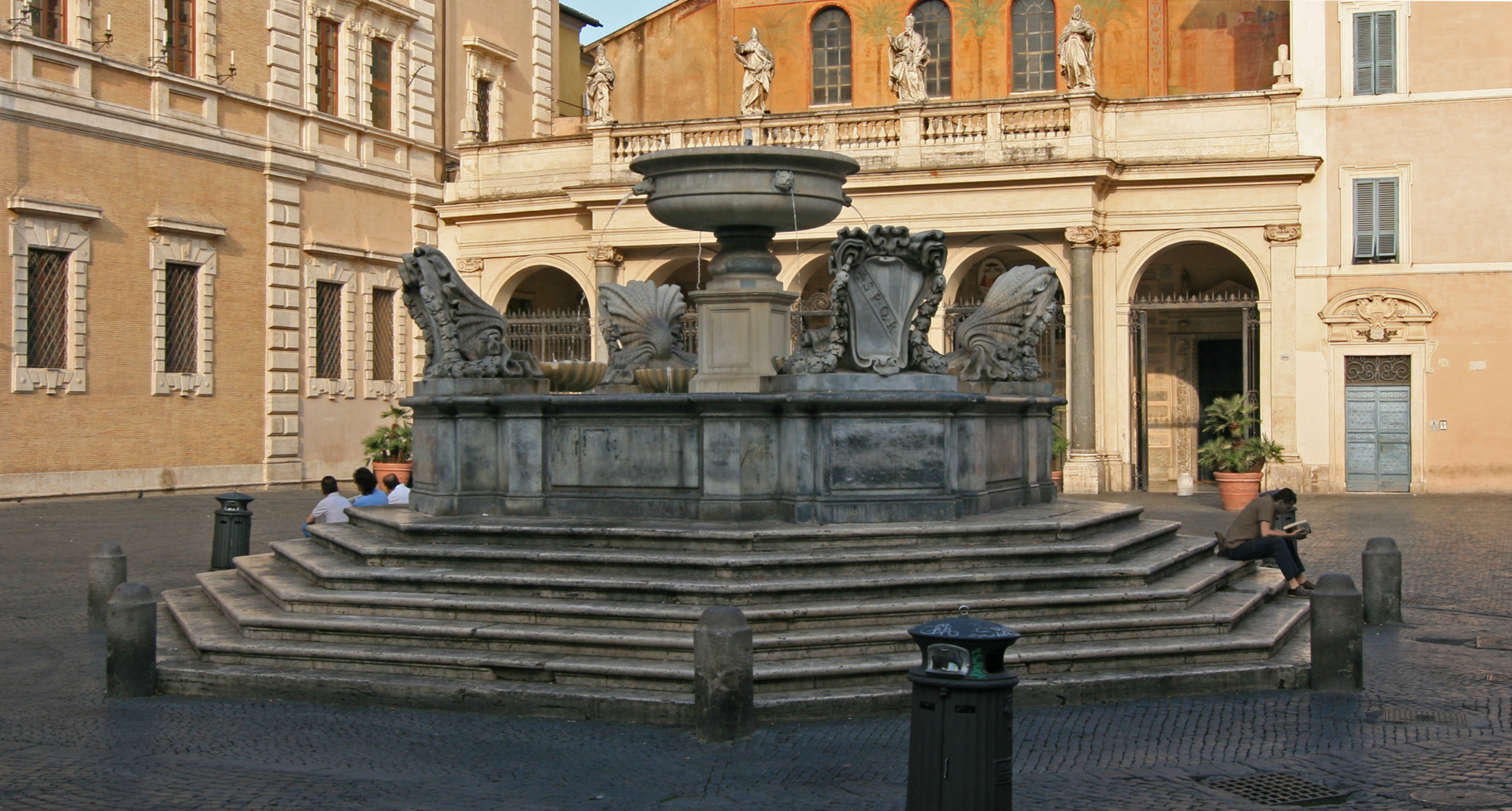
Across the Tiber, cobblestoned and atmospheric. Excellent restaurants, vibrant evening scene, more local than Centro Storico. Best for: returning visitors, foodies, longer stays. Watch out for: noise on weekend nights; the heart of Trastevere can be loud.
Monti (the boutique pick)
The chic up-and-coming neighborhood near the Colosseum. Independent boutiques, design-forward cafes, manageable crowds. Best for: design-conscious travelers, anyone wanting a hip neighborhood without sacrificing central location. Watch out for: limited large hotels; mostly small boutique places.
Testaccio (the food-lover’s pick)
Working-class district turned food destination. Testaccio Market, the city’s best Roman pasta places (Flavio al Velavevodetto, Trattoria Da Cesare al Casaletto). Best for: food travelers, those wanting calmer evenings. Watch out for: 25-minute walk to Centro Storico (or one metro stop on Line B).
Prati (modern + Vatican-adjacent)
Wide boulevards, modern buildings, well-served by metro. 5-minute walk to Vatican Museums. Best for: families, business travelers, anyone wanting a calmer base. Watch out for: less Italian atmosphere — feels like a residential modern district.
Termini area (budget + transit)
Near the main train station; convenient for arriving and onward travel. Cheaper hotels. Best for: budget travelers, those passing through. Watch out for: the area immediately around Termini can feel sketchy after dark; choose hotels 2-3 streets away.
Quick decision matrix
- First-timer wanting max walking access: Centro Storico
- Atmosphere over efficiency: Trastevere
- Design + boutique feel: Monti
- Food obsession: Testaccio
- Family or quiet base: Prati
- Budget: Termini area (carefully)
- Romantic getaway: Trastevere or Monti
What to book ahead
- Trastevere boutique hotels: 4–6 weeks ahead in summer
- Centro Storico hotels: 2–4 weeks ahead in summer
- Airbnb apartments: 6–8 weeks ahead for longer stays (>1 week)
- Skip last-minute Airbnb in summer: prices triple after 1-week-out
For what to do once you’re in Rome, our 25 picks beyond the Colosseum. For a 7-day Italy trip, our Rome+Florence+Venice itinerary.
✓ Last verified: May 6, 2026.
Practical tips that make the difference
- Plan in advance: book major attractions + restaurants 4-8 weeks ahead in peak season. Cancellation is usually free up to 24-48 hours before arrival
- Use the local apps: country-specific transport, payment, and food delivery apps work better than generic international ones. Examples: Grab in SE Asia, Bolt in Europe, DiDi in China, MTR app in Hong Kong
- Carry small cash: card acceptance varies; small amounts in local currency saves moments. Always have $50-100 equivalent in cash for emergencies
- Travel insurance: even a $50 policy saves you from $5,000+ medical bills. Doctor visits abroad average $30-150; emergency rooms can run $1,500-15,000 for serious cases
- Photograph everything important: passport, BRP, important addresses, emergency numbers, insurance policy, contact details. Store in cloud + offline
- Get an eSIM before you fly: avoid paying $10-15/day in roaming charges. Airalo and Holafly start at $4 for short trips
Common mistakes to avoid
- Booking too tight: build 30-50% buffer between commitments. Strikes, weather, jet lag all cause delays
- Skipping local etiquette: brief research on greetings, tipping, and dress codes saves embarrassment
- Eating at tourist-trap restaurants near monuments: walk 2-5 minutes off main squares for better food at lower prices
- Underestimating walking: most European + Asian cities are walked, not driven. Comfortable shoes essential. Plan for 15,000-25,000 steps per day on active travel
- Ignoring transit cards: city travel cards (Oyster, Suica, Navigo, etc.) are 30-50% cheaper than single tickets
- Booking accommodation by stars rating only: read reviews from past 6 months specifically. Old reviews can mislead about current state
Money-saving strategies
- Free walking tours: most major cities have tip-based walking tours. Excellent way to orient yourself + learn history. Sandeman, Free Tour brand operate in 30+ cities
- Lunch menus vs dinner: many restaurants offer lunch fixed-price menus 30-50% cheaper than equivalent dinner
- Public transport day passes: usually 2-3x cheaper than 4 single tickets
- Book flights mid-week, fly Tuesday/Wednesday: typically cheapest days. Avoid Friday and Sunday flights
- Hostel private rooms: 20-30% cheaper than hotels for similar quality. Many have great social common areas
- Local SIM cards in 3+ week stays: cheaper than eSIM for longer stays in single country
When to consider a guide or local expert
For more complex situations — multi-country tax planning, complicated visa applications, or substantial property purchases — engaging a regulated professional saves money and stress in the long term. Look for: OISC-registered immigration advisers (UK), Spanish gestores (Spain), German Steuerberater (Germany), or cross-border tax specialists (any country). For travel-specific questions, local certified tour guides offer expertise generic guides can’t match.
Further reading
- Cost of living in Budapest, Hungary 2026: expat monthly budget
- Cost of living in Medellín, Colombia 2026: monthly budget for expats
- Cost of living in Chiang Mai, Thailand 2026: monthly budget for expats
- Cost of living in Bali, Indonesia 2026: monthly budget for expats
- Cost of living in Tbilisi, Georgia 2026: monthly budget for expats