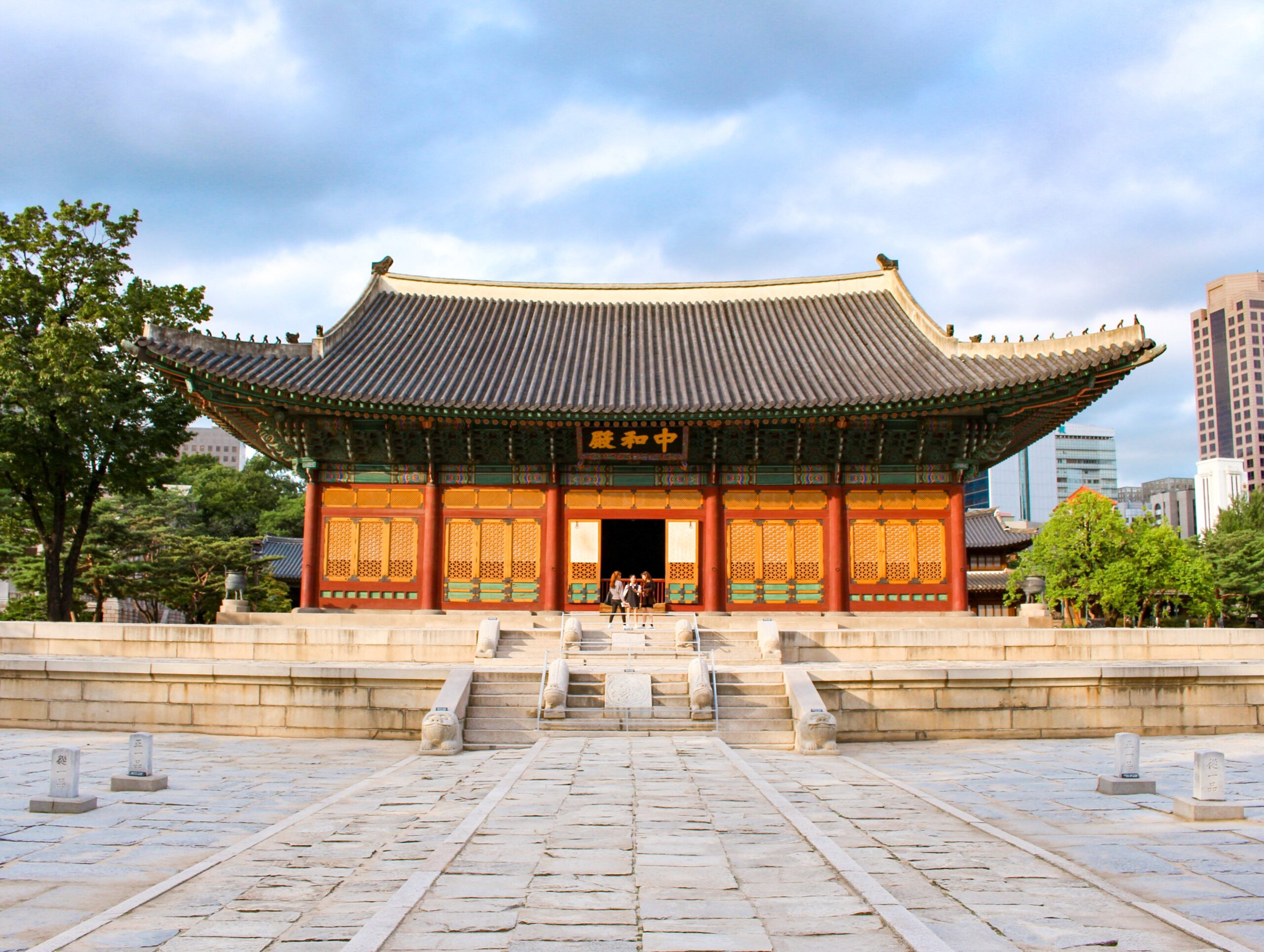
Korea is more than the EPIK English teaching program everyone hears about. With strong tech industry growth, Seoul’s startup scene, and visa pathways for skilled workers + entrepreneurs, it’s a genuine relocation option for non-teachers.
Last verified: May 6, 2026.
Korea visa options beyond teaching
E-7: Skilled Worker Visa
For specialized professionals not covered by other categories. Common roles: software engineers, designers, finance professionals, marketing managers, consultants.
- Sponsor required: Korean employer must demonstrate they cannot find qualified Korean candidate
- Salary: at least 1.5x Korean GDP per capita = ~₩40 million ($30K USD)/year minimum. Most actually pay ₩60-100M ($45-75K)
- Validity: 1-3 years initial, renewable
- Path to F-2 (long-term residence): 5+ years on E-7 + points-based test
F-2-7: Points-Based Long-Term Residence
Singapore-style points system. After E-7 or D-8, can apply for F-2-7 (long-term residence with no employer tie):
- Points needed: 80+ points
- Categories: age, education, Korean language proficiency (TOPIK), salary, work experience, volunteer activity
- Benefits: independent visa (no sponsor needed), can switch jobs, easier path to citizenship
- Korean language matters: TOPIK Level 4 = 30 points (huge boost)
D-8: Investor + Foreign Direct Investment
For business owners + investors:
- Investment minimum: $500,000 USD into Korean company
- Validity: 1-5 years
- Path to F-5 (permanent residence): after 5+ years
D-10: Job Search Visa
Like a ‘visiting scholar’ visa for graduates of Korean universities or top global universities:
- Validity: 6 months, extendable to 12-24 months
- Allows: looking for employment, internships, business activities
- Eligible: bachelor’s degree from QS top 200 university OR Korean university graduate
F-4: Korean Heritage Visa
If you have Korean ancestry (foreign-born of Korean descent):
- Validity: 3 years initial, renewable indefinitely
- Wide work rights: any job, no sponsor needed
- Path to PR + citizenship
Housing in Seoul: key money + monthly rent
Korea’s housing system is unique. Two main options:
Jeonse (전세) — pure deposit
Tenant pays 60-80% of property value as deposit. Lives there 1-2 years rent-free. Owner returns deposit at end. Owners earn from interest + appreciation. Increasingly rare in Seoul.
Wolse (월세) — deposit + monthly rent
Most common foreigner-friendly option:
- Deposit (key money): ₩10-100 million ($7,500-75,000 USD). Higher deposit = lower monthly rent
- Monthly rent: ₩600,000-2,500,000 ($450-1,900) for typical 1-bed in Seoul
- Returned at end of contract: like jeonse, key money returned with no interest
- Tradeoff: ₩10M deposit + ₩1.2M monthly rent vs ₩50M deposit + ₩600K monthly rent
Where expats actually live in Seoul
- Itaewon / Hannam-dong: traditional expat district. Restaurants, bars, foreign-friendly shops. ₩1.5-3M/month
- Gangnam: upscale shopping + corporate. Most expensive. ₩2-5M/month
- Yongsan / HBC (Haebangchon): trendy, gentrifying, mix of locals + foreigners. ₩1.2-2.5M/month
- Hongdae: young, music + nightlife scene. ₩1-2M/month
- Mapo / Yeonnam-dong: hip + walkable, near Hongdae. ₩1.2-2.2M/month
- Sinchon / Edae: college town, cheaper. ₩900K-1.5M/month
Banking in Korea
Korean banking is foreigner-friendly compared to Japan. Major banks:
- KB Kookmin Bank: largest, English support at major branches
- Shinhan Bank: traditionally most foreigner-friendly. Has ‘Foreign Customer Center’ in Yeouido
- Woori Bank: good app, English-language interface
- Hana Bank: growing English support
- KEB Hana Bank’s Foreign Workers’ Center: specifically for non-Korean professionals
Documents to open Korean bank account
- Passport + valid Korean visa
- Alien Registration Card (ARC) — required after 90 days in country
- Address registration document (juminseo)
- Initial deposit (₩10,000-100,000)
- Korean phone number (often required)
Healthcare in Korea
Korea has world-class healthcare. National Health Insurance (NHI) is mandatory for residents:
- NHI premium: 7% of monthly salary (employer pays half)
- Coverage: 60-80% of medical costs
- Out-of-pocket for typical visit: ₩5,000-20,000 GP, ₩30,000-100,000 specialist
- Prescription drugs: 30-50% covered, very cheap
- Major hospitals: Asan Medical Center, Severance, Samsung Medical Center — among Asia’s best
Korean cost of living for expats
Living costs vary dramatically by neighborhood:
- Frugal expat (Sinchon, smaller area): ₩1.5-2M/month ($1,150-1,500)
- Mid-range expat (Hongdae, Yongsan): ₩2.5-3.5M/month ($1,900-2,650)
- Comfortable expat (Itaewon, Gangnam): ₩3.5-5M/month ($2,650-3,800)
- Luxury expat (high-end Gangnam, Hannam): ₩5-8M+/month
Cultural realities for foreigners in Korea
- Work culture intense: 9-7pm common, hoesik (forced after-work dinners) frequent. Slowly changing but still real
- Hierarchical society: age + position matter enormously. Korean basics (sajangnim, hyung, oppa) help
- Foreigner premium: some prices higher for foreigners (real estate especially). Use Korean friend or interpreter
- Internet + delivery: world-class. Coupang Eats, Baemin make food delivery in 30 min standard
- Public transport: excellent. Seoul subway/buses cover everything. T-money card essential
- English usage: growing in Seoul (younger generations) but Busan + smaller cities much less. Learn Hangul (Korean alphabet) at minimum
See it in context: compare this visa against 35+ other nomad, freelancer, and retirement visas worldwide in the comprehensive visa comparison — income thresholds, tax treatment, family rules, path to PR. Updated quarterly from official immigration sources.
FAQ
Can I work for a Korean company on tourist visa?
Absolutely not. Working without proper visa = deportation + permanent ban. Tourist visa is strictly for tourism.
How hard is it to get an E-7 visa?
Quite hard. Korean employer must show no qualified Korean exists for the role. Most success: tech roles at international firms (Google Korea, Microsoft Korea) where global talent is necessary.
Do I need to learn Korean before moving?
Strongly recommended. Seoul has English-speaking infrastructure, but daily life (banking, healthcare, government, dining outside expat zones) requires Korean. TOPIK Level 3 minimum for comfortable life.
What are typical salaries on E-7?
Software engineers: ₩60-120M ($45-90K USD), senior tech roles ₩150-250M ($112-186K). Finance: ₩80-200M ($60-150K). Marketing: ₩50-90M ($37-67K). Lower than US/Singapore but cost of living is cheaper.
Path to citizenship?
Very difficult. Korea generally doesn’t allow dual citizenship. To naturalize: 5+ years residence + Korean language proficiency + give up original citizenship. Few foreigners do this.
Is Korea LGBTQ+ friendly?
Legally not protected (no same-sex marriage). Socially mixed — Seoul has growing scene but conservative attitudes persist outside major cities. Itaewon traditionally most LGBTQ+ friendly.
Bottom line: Korea for expats
Korea works well for: tech professionals at international firms, food + culture lovers, those willing to learn Korean, people seeking world-class healthcare + infrastructure. Not great for: those expecting English-only life, retired expats (no specific retirement visa), anyone uncomfortable with hierarchical work culture.
Related: teaching English in Korea · Japan working holiday alternative.
✓ Last verified: May 6, 2026.
Further reading
- Cost of living in Bali, Indonesia 2026: monthly budget for expats
- Cost of living in Tbilisi, Georgia 2026: monthly budget for expats
- Cost of living in Da Nang, Vietnam 2026: monthly budget for expats
- Cost of living in Cuenca, Ecuador 2026: monthly budget for expats
- Building a social life abroad from zero in 2026: what actually works for expats