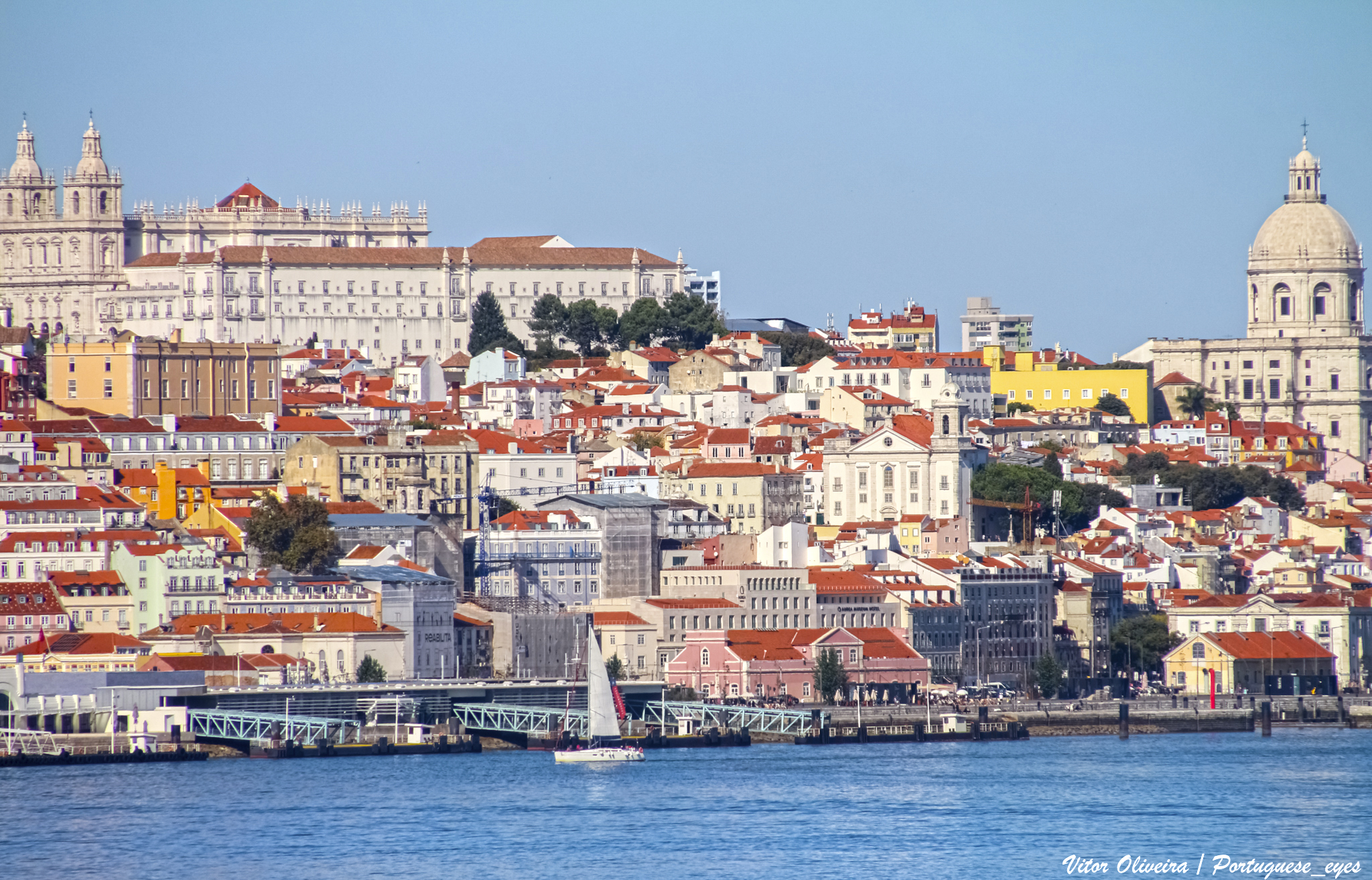
Portugal has been Europe’s #1 retirement destination for the past decade. The D7 visa for passive-income retirees, EU access, mild climate, and high quality of life make it the gold standard. Here’s the 2026 reality after the NHR tax scheme closure.
Last verified: May 6, 2026.
Why Portugal for retirement
- D7 visa: built for retirees with pensions or other passive income
- EU + Schengen access: live in Portugal, travel freely to 26 European countries
- SNS public healthcare: universal access for residents at fraction of US cost
- Climate: Mediterranean — Lisbon 14°C winter, 28°C summer. Algarve even milder
- English friendly in tourist areas + younger generations
- Cost 30-50% lower than Western Europe equivalents
- Path to permanent residency + EU citizenship after 5 years on D7
- Strong expat community: 30,000+ Americans, plus large UK + German + French retiree populations
D7 visa for retirees overview
- Visa type: D7 (income-based residence visa for retirees and passive-income holders)
- Initial validity: 4 months as ‘long-stay visa’, then converts to 2-year residence card
- Renewals: 2-year card → 3-year card → eligible for permanent residency at year 5
- Income requirement: €920/month minimum (1 minimum wage Portuguese unit)
- Higher for couples + dependents: +50% per dependent (so couple = €1,305/month)
- Income source: pensions (US Social Security, UK State Pension, etc.), rental income, dividends, capital gains, royalties
- Cost: ~€110 visa application + various other fees
What changed in 2024 — NHR closed
Portugal closed its famous NHR (Non-Habitual Resident) tax scheme to new applicants in October 2023. Replacement (IFICI – Tax Incentives for Scientific Research and Innovation) is much narrower:
- NHR (closed): 10 years of foreign income at low rates. Pensions taxed at 10%. Massive incentive for retirees
- IFICI (replacement): only specific high-skill professions (research, innovation, certain technical roles). Not generally for retirees
- Practical impact for retirees: standard Portuguese tax rates apply. Expect 14.5-48% progressive tax on pension income (depending on amount)
- Double-tax treaties help: US-Portugal, UK-Portugal etc. ensure no double-taxation. But Portuguese rates often higher than home country, so net effect = paying Portuguese rates
Portuguese tax for D7 retirees (without NHR)
Standard Portuguese personal income tax brackets:
- €0-7,479: 14.5%
- €7,480-11,284: 21%
- €11,285-15,992: 26.5%
- €15,993-20,700: 28.5%
- €20,701-26,355: 35%
- €26,356-38,632: 37%
- €38,633-50,483: 43.5%
- €50,484-78,834: 45%
- €78,835+: 48%
For typical American retiree on $50,000/year Social Security + IRA distributions (~€46,000/year): approximate Portuguese tax = €13,000-16,000/year. Compare with US tax obligations (still required for US citizens regardless of residence). With double-tax treaty, you typically pay the higher of the two countries’ rates.
Where to retire in Portugal
Lisbon — most international, most expensive
- 1-bed apartment (city center): €1,200-2,200/month
- 1-bed apartment (suburbs): €700-1,300/month
- Total mid-range couple: €2,500-4,500/month
- Pros: robust expat community, English speakers, easy international flights, world-class culture
- Cons: most expensive, increasing tourist saturation, hilly (challenge for limited mobility), summer crowds
Algarve — best for sun + beach
- 1-bed apartment in Lagos, Albufeira, Faro, Tavira: €700-1,400/month
- Total mid-range couple: €2,000-3,500/month
- Pros: 300+ sunny days/year, large UK retiree community, golf courses, beaches
- Cons: seasonal (winter quiet, summer overrun), less authentically Portuguese, limited cultural depth
Porto — Lisbon’s quieter sibling
- 1-bed apartment: €700-1,400/month
- Total mid-range couple: €2,000-3,500/month
- Pros: charming, walkable, port wine culture, beaches nearby (Matosinhos), 2 hours to Lisbon
- Cons: wetter than Lisbon, smaller expat scene, growing tourism but less than Lisbon
Coimbra — university town with character
- 1-bed apartment: €500-900/month
- Total mid-range couple: €1,500-2,500/month
- Pros: beautiful university town, central Portugal, lower cost, intellectual scene
- Cons: smaller expat community, more Portuguese-only daily life
Madeira — subtropical island
- 1-bed apartment in Funchal: €600-1,200/month
- Total mid-range couple: €1,800-3,200/month
- Pros: subtropical climate (15-25°C year-round), levadas hiking, growing nomad scene, 0% IRS in some scenarios
- Cons: island life isolation, smaller expat community, healthcare more limited than mainland
Healthcare on D7 (the SNS reality)
Portugal’s SNS (Serviço Nacional de Saúde) is universal healthcare. As D7 holder + Portuguese resident:
- Access: register at local health center (centro de saúde) within 30 days of residency
- Coverage: all major medical, surgical, hospitalization, prescription drugs
- Out-of-pocket: small co-pays (€5-25 typical) for visits + procedures
- Wait times: non-urgent specialist appointments 4-8 weeks. Urgent same-day at ER
- Quality: excellent in major cities (Lisbon, Porto). Smaller towns + Algarve can have specialist gaps
- Private supplement: €100-300/month for couples covers private hospitals (Hospital da Luz, CUF) for faster access
Banking on D7
- NIF (Tax ID) first: required for everything. Get from fiscal representative service (~€100-200) before arrival
- Best banks for foreigners: ActivoBank (digital, online opening), Millennium BCP (full service), Novo Banco (in-person foreigner support)
- Wise + Revolut: excellent for currency conversion + initial setup
- Bank account requirements: NIF + passport + Portuguese address + proof of income
Path from D7 to citizenship
D7 is one of the most welcoming routes to EU passport:
- Year 0: arrive on D7 long-stay visa
- Years 1-2: first temporary residence card
- Years 3-5: renewals (3-year cards)
- Year 5: apply for permanent residency (Trvalý pobyt) — takes ~6 months
- Year 6: apply for Portuguese citizenship — Portuguese A2 language test required
- Year 7-8: Portuguese passport issued — visa-free to 191+ countries
Portugal allows dual citizenship. After naturalization, retain home country passport.
Common D7 retiree mistakes
- Underestimating tax now without NHR: 30-40% effective tax rate is realistic. Plan accordingly
- Not getting NIF before applying: NIF is foundational. Get fiscal representative early
- Choosing area without visiting: spend 2-3 months in Portugal before committing. Algarve in winter feels different than summer
- Overlooking AIMA delays: appointment waits can be 6-12 months. Plan financially for extended pre-residency status
- Insufficient health insurance proof: consulate requires comprehensive coverage, not basic travel insurance
- Missing the 7-year rule for D7-D7 transitions: if you’ve been on D7 in another EU country, complications can arise
Where in Portugal retirees actually settle
Lisbon — capital, expensive, infrastructure-rich
English widely spoken, world-class hospitals (Hospital da Luz, CUF Descobertas), direct flights to North America + UK. 2-bed €1,800-3,000/month rent or €450K-1M to buy. Best for retirees prioritizing healthcare access, cultural events, grandkid visits. Trade-off: hilly cobblestones (hard on knees), summer tourist crush.
Cascais — coastal Lisbon suburb
Beach town 30 minutes by train from Lisbon. Strong international community, beachfront promenades, less hilly than Lisbon. 2-bed €1,400-2,400/month rent. Best for retirees wanting beach + city access without Lisbon’s intensity.
Algarve (Lagos, Tavira, Olhao, Albufeira)
Portugal’s southern coast — 300 sunny days/year, Mediterranean climate, large British and Northern European retiree communities (60K+ Brits alone). Lagos and Tavira are favorites for Old World charm; Albufeira is busier and more touristy. 2-bed €1,000-1,800/month. English spoken everywhere. Trade-off: summer tourists triple the population July-August.
Porto + Northern Portugal
Cheaper than Lisbon (rent 30-40% less). Vibrant food scene, port wine country (Douro Valley 60 min away), better climate than Lisbon for some (cooler summers). 2-bed €900-1,500/month. Best for budget-conscious retirees who don’t mind Atlantic mist + winter rain.
Madeira — subtropical island, Funchal
Year-round 18-25C, lush, dramatic coastline, ranked world’s best island multiple years. Direct UK flights (3.5 hrs), Lisbon flights (90 min). 2-bed €900-1,400/month rent. Best for retirees wanting a slower, island lifestyle with good infrastructure.
NHR ended — what 2026 retirees actually pay
Portugal’s famous Non-Habitual Resident (NHR) regime ended for new applicants in 2024. Retirees who relocate 2025+ pay full Portuguese rates:
- Pension income: taxed under standard progressive rates (14.5% to 48%) AFTER applying tax treaty rules
- UK state + private pension: taxable in Portugal under UK-Portugal treaty (Portugal taxes, UK exempts via foreign tax credit)
- US Social Security: taxable ONLY in US (US-Portugal treaty), not in Portugal
- US 401k/IRA distributions: taxable in Portugal at progressive rates (potentially 28% to 48%)
- Capital gains on shares: 28% flat rate
- Rental income: 28% flat rate on net
There’s a successor regime — IFICI (Tax Incentive for Scientific Research and Innovation, called “NHR 2.0”) — but it targets qualified workers + researchers, NOT retirees. Most 2026 retirees fall under standard rates.
Practical: model your post-tax retirement income before relocating. A US retiree drawing $90K from 401k could face $20-25K Portuguese tax bill that didn’t exist under old NHR. UK pensioners drawing GBP40K may net 15-20% less than they would in the UK once Portuguese rates apply.
Real cost of retiring in Portugal 2026
- Couple monthly comfortable Lisbon: €3,000-4,500
- Couple monthly comfortable Algarve/Porto: €2,200-3,300
- Couple monthly comfortable Madeira: €2,400-3,500
- Private health insurance couple 65+: €200-400/month (Medis, Multicare, Allianz Cuidados)
- Property purchase Algarve 2-bed: €280K-450K typical retiree budget
- IMI property tax: 0.3-0.45% of valor patrimonial annually
- Healthcare via SNS (after residency): €4-15 copays for visits + most prescriptions covered
Portugal D7 retirement timeline — application to landing
Most retirees take 4-7 months from decision to permanent move-in:
- Month 1-2: Pull pension/Social Security/dividend statements. Get NIF (Portuguese tax number, can be done remotely via lawyer for €100-150). Open Portuguese bank account remotely (Activobank, Bordr help expats; Millennium BCP, Novobanco accept remote applications).
- Month 3: Find Portuguese accommodation — long-term rental contract OR purchased property. Lawyer fees: €1,000-2,500. Apostille + translate documents. Apply for D7 at consulate. Fee: €90 visa + €170 residence permit later.
- Month 4-5: Receive D7 visa. Fly to Portugal. Within 4 months, attend SEF/AIMA appointment for residence card (book ASAP — slots fill 2-3 months ahead).
- Month 6-7: Receive plastic residence permit. Register with SNS (Servico Nacional de Saude) for public healthcare. Settle in. After 5 years on D7, eligible for permanent residency or citizenship.
Portugal retirement myths
Myth 1: Portugal is the cheap-living retiree paradise it was in 2018. Lisbon and Porto rents have doubled since 2020. Algarve has gone up 50-70%. Smaller towns + interior remain affordable. Real budget for a couple in Lisbon now matches Madrid or Berlin.
Myth 2: NHR still applies if you apply now. NHR closed for new applicants in 2024. The IFICI replacement targets researchers + skilled workers, NOT retirees. Plan for full Portuguese tax rates.
Myth 3: Healthcare is automatic. SNS access requires registered residency + NIF. Process takes 2-4 months. Until then, private insurance is essential. After enrollment, SNS is excellent for primary + emergency; private fills specialist gaps.
Myth 4: You can drive on a foreign license forever. EU + EEA licenses convert easily. US, Canadian, Australian licenses must be exchanged within 90 days of residency. Process is straightforward but time-bound.
Portugal vs Spain vs Greece for retirees
Three Mediterranean retirement options compete:
- Portugal D7: €820/month for couple, 5-year PR/citizenship path, English friendliness, post-NHR full tax
- Spain Non-Lucrative Visa: €2,895/month for couple, no remote work allowed, 5-year PR path, full Spanish tax on residency
- Greece FIP (Financial Independent Person): €3,500/month, 50% tax reduction first 7 years, lower cost than Portugal/Spain coast
Portugal wins on lowest income + best English. Spain wins on healthcare + infrastructure + retiree communities. Greece wins on tax (50% reduction) + lowest cost of living + island lifestyle.
Related: Portugal D7 visa · retire in Spain · best places to retire abroad globally.
Official Portuguese government resources
- AIMA (formerly SEF) — residence: aima.gov.pt
- Portuguese consular network: portaldascomunidades.mne.gov.pt
- Portuguese tax authority: portaldasfinancas.gov.pt
- SNS (public health): sns.gov.pt
- Numbeo Portugal cost data: numbeo.com
What to bring vs. buy locally
Portugal has full European retail (IKEA, Decathlon, El Corte Inglés, FNAC). What’s worth shipping vs. buying:
- Ship/bring: medications + medical records (3 months minimum), eyeglasses prescriptions, pet documents (rabies vaccine within 1-12 months, microchip, USDA endorsement for US dogs/cats).
- Buy locally: furniture (IKEA Lisbon/Porto + Conforama), bedding, appliances (220V Type F).
- Don’t ship: US/UK appliances incompatible with 230V Portuguese voltage. Portugal sells European-spec equivalents.
Portuguese for retirees
Portuguese is Romance language. Brazilian Portuguese learners adapt fairly fast. Key phrases:
- Hello: Olá / Bom dia
- Thank you: Obrigado (male) / Obrigada (female)
- Please: Por favor / Se faz favor
- Yes / no: Sim / Não
- Excuse me: Com licença
- How much?: Quanto custa?
- Doctor: Médico
- Hospital / pharmacy: Hospital / Farmácia
- Goodbye: Adeus / Tchau
Bottom line: Portugal retirement
Portugal remains attractive for retirees — strong English (especially Algarve + Lisbon), excellent healthcare, manageable cost compared to UK/US, vibrant expat community. Post-NHR full taxation is the major change vs. 2018-2024 era. Plan with a Portuguese accountant before relocating.
Portugal weather + climate by region
Portugal’s climate is more varied than most retirees expect. Algarve enjoys 3,000+ hours of sun annually with mild winters (12-18C). Lisbon and Porto have Atlantic-influenced patterns — Lisbon warmer + drier than Porto, both with grey, wet winters that surprise sun-seeking newcomers. Madeira sits in subtropical climate (year-round 17-25C, 75% humidity). Inland Portugal (Alentejo, interior Beiras) has continental swings — hot summers (35C+) and cold winters (close to freezing). Visit your shortlisted region in February to experience worst-case winter before signing a long lease.
Visa-accepted health insurance
Genki Native — built for D7 retirement visa applications
Comprehensive private health insurance accepted by EU consulates for long-stay visa applications (Portugal D7, Spain NLV, Italy DN, Hungary White Card, Romania DN, Estonia DN). No co-pays, no waiting periods, full European coverage. The German parent company has been underwriting expat insurance since 2008.
Get a Genki Native quote → affiliate link — we earn a commission, you pay nothing extra
More retire-abroad guides: retire in costa rica · retire in spain · retire in panama.
FAQ
Can I bring my pet?
Yes — Portugal accepts pets with EU pet passport (or rabies vaccination certificate from non-EU). Microchip required. No quarantine. Allow 1-2 months prep + ~€500-1,500 USD costs.
Will my US Social Security be paid in Portugal?
Yes — Social Security can be paid to most countries (some restrictions on Cuba, North Korea). Portugal is fine. Get bank account details for direct deposit. Consider tax planning between US + Portuguese tax.
Do I need to learn Portuguese?
For daily life in Lisbon + Porto + Algarve tourist areas, English suffices. For genuine integration + permanent residency citizenship, Portuguese A2 required. Many older retirees never go beyond basics.
Are there age restrictions on D7?
No formal age requirement. Many retirees apply at 55+, but D7 also welcome to younger applicants with passive income. The visa name ‘retiree visa’ is informal — formally it’s just an income-based residence visa.
Can my children visit easily?
Yes — adult children (US citizens) can visit visa-free for 90 days/180 days under Schengen rules. Children’s spouses + grandchildren same. For longer family visits, consider Portuguese visit visas.
What if my spouse dies — can I stay?
Yes. As long as you’ve held D7 + Portuguese residence card, your right to stay continues. Apply for permanent residency early (year 5) for security.
Bottom line: Portugal D7 retirement
Portugal D7 remains best-in-class EU retirement option for those willing to navigate the post-NHR tax landscape. Strong healthcare, mild climate, English-friendly society, and clear path to EU citizenship outweigh the higher tax burden. Best for retirees with $30K+/year passive income who want EU lifestyle at 30-50% Western European cost.
Related: Portugal D7 visa application · best places to retire abroad · Portugal banking for foreigners.
✓ Last verified: May 6, 2026.
Further reading
- Cost of living in Split, Croatia 2026: expat and digital nomad budget
- Cost of living in Porto, Portugal 2026: expat monthly budget
- Cost of living in Penang, Malaysia 2026: expat monthly budget
- Cost of living in Budapest, Hungary 2026: expat monthly budget
- Cost of living in Medellín, Colombia 2026: monthly budget for expats