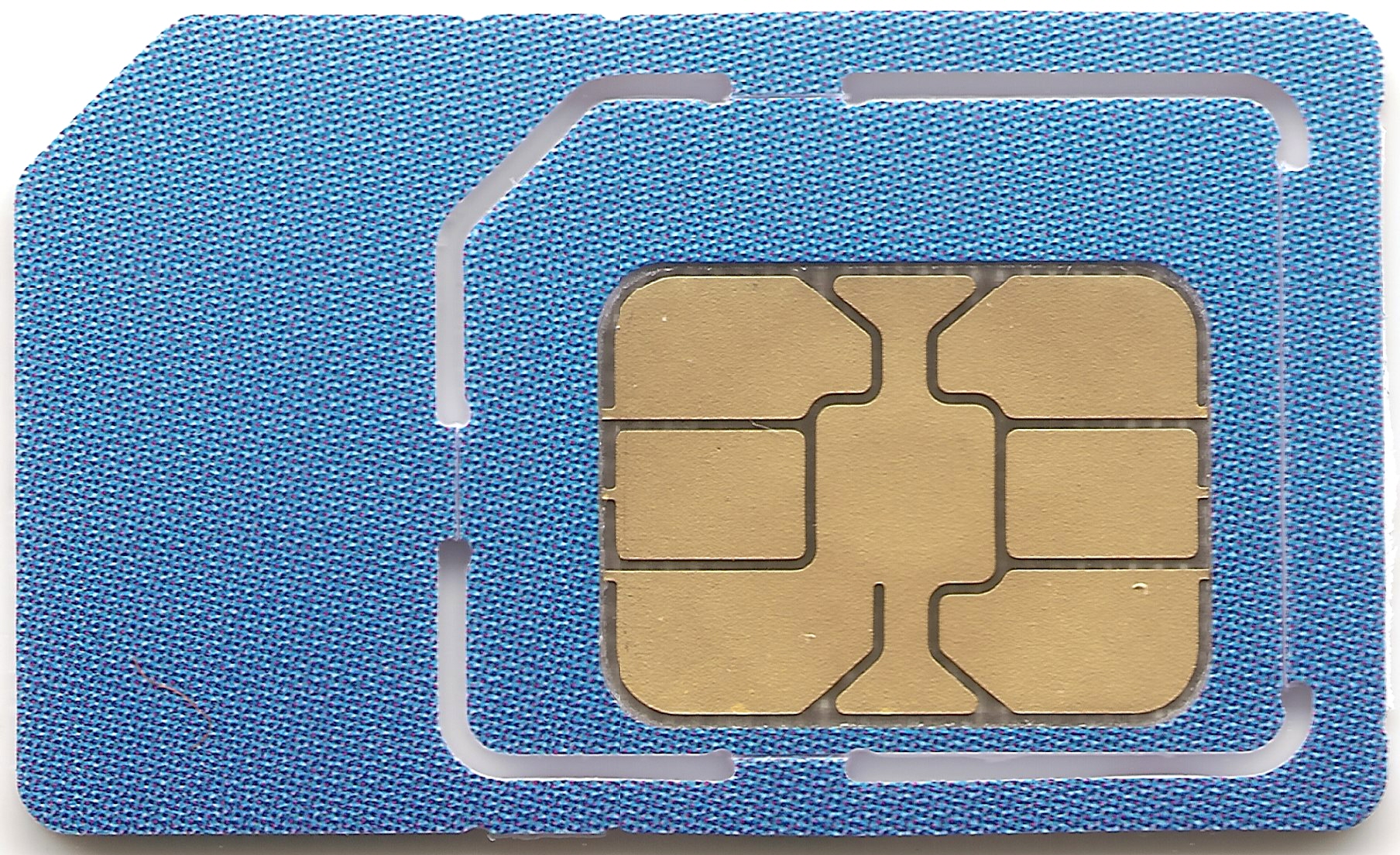
eSIMs replaced physical SIMs for travelers in 2023. For Europe specifically, four providers dominate. Here’s how they compare in 2026.
Last verified: May 6, 2026.
1. Airalo Europe — best value per GB
- Price: 1GB/7 days $4.50, 5GB/30 days $14, 10GB/30 days $25, 20GB/30 days $39
- Coverage: 39 European countries (full Schengen + UK + Iceland + Switzerland)
- Hotspot: yes, full speed
- App: solid, in 20+ languages
- Best for: general use; cheapest per-GB option
- Get Airalo
2. Holafly Europe — best for unlimited data
- Price: $19/5 days, $34/10 days, $54/20 days, $69/30 days — UNLIMITED data
- Coverage: 36 European countries
- Hotspot: limited to 500MB/day on most plans (improved 2025: now 1GB/day on 30-day plans)
- Best for: heavy users (10GB+ travel), ‘don’t want to think about it’ travel
- Limit: hotspot cap can be a deal-breaker for laptop-tethering
3. Nomad Europe — best mid-range balance
- Price: 5GB/30 days $11, 10GB/30 days $19, 20GB/30 days $32
- Coverage: 35+ European countries
- Hotspot: yes, full speed
- Best for: mid-volume users wanting cheaper than Airalo, no unlimited need
4. Saily (NordVPN) — bundled VPN
- Price: similar to Nomad, 5GB/30 days ~$10
- Coverage: 35+ European countries
- Bonus: includes a free Saily VPN
- Best for: NordVPN ecosystem users
Decision tree
- Heavy laptop user, 10+ GB usage: Holafly unlimited (with caveats on hotspot)
- Phone-only, 3–10 GB usage: Airalo
- Want VPN bundle: Saily
- Mid-volume value: Nomad
Activation tips
- Activate eSIM before you fly — set start time on iPhone (Settings → Cellular → eSIM)
- Keep your home SIM as a secondary line for your bank’s 2FA SMS
- Most eSIMs DON’T give you a phone number — data only. For a Euro number, get a virtual one (Hushed, MySudo)
Related: best eSIM for Southeast Asia.
How eSIMs work technically + what to know
eSIMs are embedded SIMs — software-based identity stored on your phone’s chip rather than a physical card. The advantages: no shipping, instant activation, can hold multiple eSIMs simultaneously, works across countries.
- Compatible phones: iPhone XS (2018) and newer, Google Pixel 3 (2018) and newer, Samsung Galaxy S20+ and newer, most modern Android
- Activation: usually QR code scan in your phone settings. 30-60 second setup
- Coverage check: verify your phone is unlocked. Carrier-locked phones can’t use third-party eSIMs
- Multiple eSIMs: iPhone supports 8 eSIMs; only 2 active simultaneously. Switch via settings
- Battery + data limits: eSIMs use carrier roaming. Heavy use can drain battery faster than home network
Detailed comparison of major Europe eSIM providers (2026)
Airalo Eurolink
- Coverage: 39 European countries (Schengen + UK + Iceland + Switzerland + Norway)
- Plans: 1GB/7d ($4.50), 5GB/30d ($14), 10GB/30d ($25), 20GB/30d ($39)
- Hotspot: yes, full speed
- Strengths: best per-GB value for moderate users, app available 20+ languages
- Weaknesses: not unlimited data option
Holafly Europe
- Coverage: 36 European countries
- Plans: $19/5d unlimited, $34/10d, $54/20d, $69/30d (all unlimited)
- Hotspot: 1GB/day cap on 30-day plans, 500MB/day on shorter
- Strengths: unlimited data, simple flat pricing
- Weaknesses: hotspot cap matters for laptop tethering, more expensive per day
Nomad Europe
- Coverage: 35+ European countries
- Plans: 5GB/30d ($11), 10GB/30d ($19), 20GB/30d ($32)
- Hotspot: yes, full speed
- Strengths: cheaper than Airalo for similar volume, no hotspot cap
- Weaknesses: smaller app ecosystem, less 24/7 support
Saily (NordVPN-affiliated)
- Coverage: 35+ European countries
- Pricing: similar to Nomad, 5GB/30d ~$10, 10GB/30d $18
- Bonus: free Saily VPN subscription with eSIM
- Strengths: VPN bundle valuable for privacy, good for NordVPN ecosystem users
- Weaknesses: less established than Airalo/Nomad
How to actually use an eSIM in Europe
- Buy + activate before flying: eSIM activates via QR code, can be installed in advance and toggled on at destination
- Switch your home SIM to backup: turn off cellular for home SIM, keep voice/SMS for 2FA but disable data
- Use eSIM for data + maps + apps: Google Maps, Uber, hotel apps, etc.
- Keep WhatsApp + Signal active on home number: contacts at home reach you on familiar number
- Phone calls via WhatsApp/FaceTime over data: avoids roaming voice charges
Cost comparison: eSIM vs alternatives in Europe
- Airalo 5GB/30d: $14 = $0.47/day for 167MB/day
- UK SIM card (Three Pay As You Go): £20 for 12GB/30d. Need to physically buy
- Spain SIM card (Movistar prepay): €15 for 10GB/30d. Need physical visit
- Roaming on home plan (US Verizon): $10/day = $300/month. Avoid
- Roaming on home plan (UK O2 with Travel Inclusive Zone): £0/day in EU = free for short trips
- Pocket WiFi rental: €30-50/week. Bulky device but better speed for groups
Country-specific eSIM tips in Europe
- UK: Three Mobile + EE have best networks. Airalo connects to Three by default
- Switzerland: not in Eurozone; check that your eSIM provider includes it (Airalo Eurolink does)
- Iceland + Faroe Islands: some providers exclude these; verify before going
- Greece islands: coverage is solid in tourist areas, weak in remote islands. Have backup
- Italy mountains: rural Italy + Alps have variable coverage
- Portugal: excellent coverage country-wide, including Algarve villages
What to do when eSIM doesn’t work
- First step: verify phone has ‘cellular data roaming’ enabled in settings
- Second step: manually select preferred network in settings (don’t rely on automatic)
- Third step: contact provider via app — most respond within 4-12 hours
- Backup option: always have a physical SIM emergency option (your home SIM with international roaming, or buy local SIM at first major train station)
Detailed scenarios and case studies
Real situations from people who have gone through this process show patterns that generic guides miss.
Scenario A: The straightforward path
Sarah, mid-30s software engineer, transferred from her US tech company to its UK office. Sponsor handled visa paperwork, employer paid all fees. Total time from offer to UK arrival: 14 weeks. Initial costs covered: visa, IHS, relocation allowance £8,000. First-year additional out-of-pocket: rental deposit, council tax, utilities setup, furniture (~£4,000). Lessons: working with established sponsors smooths the entire process, but still budget personal funds for setup costs not covered by relocation allowance.
Scenario B: The complicated case
Marco, 42, applying with non-EU spouse and 2 children. Income evidence required for entire family, not just primary applicant. Discovery: Marco’s freelance income from previous tax year fluctuated, requiring both Category B (current) and Category C (savings) income calculations. Process took 9 months. Lessons: complex income situations need 3-4 month preparation buffer; consult OISC adviser for non-standard cases.
Scenario C: When things go wrong
Aisha, applying for residence visa, was rejected on first attempt due to insufficient proof of relationship to UK partner (only 18 months cohabiting documented). Reapplied 6 months later with additional bank account statements, joint travel records, and family witness statements. Approved second time. Lessons: rejected applications can be addressed with stronger evidence; always document genuine relationship continuously, not just at application time.
Year-by-year financial expectations
- Year 1 (the setup year): all the upfront costs hit. Visa fees, deposit, accommodation setup, furniture, savings for emergencies. Net financial: typically negative or breakeven
- Year 2 (settling in): regular salary + reasonable lifestyle. Some savings possible. Costs decrease as setup is done
- Year 3-4 (building): career progression, salary increases, optional investments + pension contributions. Save 15-25% of salary if possible
- Year 5+ (settled): mature financial state. Property purchase consideration, more aggressive investing, family planning
Mistakes that compound over time
- Not filing taxes correctly in first year: creates ongoing issues. UK HMRC, Spanish Hacienda, German Finanzamt all expect compliance from day one of residence. Failures attract penalties + interest year-over-year
- Inadequate insurance in first year: a single uncovered medical event can wipe out savings. Test coverage with smaller claims first to verify processes
- Not building local credit history: credit cards, mortgages, certain rentals require local credit history. Apply for entry-level cards in months 1-3 of residence to start building
- Putting all money in one institution: if your bank has issues, you have no fallback. Multiple banks (or fintechs) reduces single-point-of-failure
- Not maintaining home country tax obligations: US citizens must file annually regardless of residence. Other nationalities have varying rules. Consult cross-border tax adviser
Key documents to maintain throughout your stay
- Original passport(s): never give to landlords or employers — make certified copies
- Residence permit / BRP / TIE / Residente Temporal card: mandatory in many countries to carry on person
- Visa documentation: original visa stamp + supporting docs you submitted (CoS, sponsor letter, etc.)
- Tax filings: all tax returns, withholding certificates, contributions to pension/social security
- Employment + income evidence: contract letters, payslips for last 6 months minimum, employer reference
- Banking statements: 2 years of statements organized by year
- Insurance certificates: health, travel, professional indemnity, home insurance coverage proof
- Lease/property documents: tenancy agreements, mortgage statements, council tax registration
- Healthcare records: registration letters, GP visits, NHS number / Spanish SIP / German Krankenkassenkarte
Building toward citizenship if that’s the goal
If long-term settlement and eventually citizenship is your goal, intentional planning from year 1 helps:
- Track absences from country meticulously: the 180-days-in-12-months rule (UK ILR) or its equivalents in other countries are strictly checked. A spreadsheet from day 1 prevents surprises
- Maintain continuous lawful status: any gap (e.g., visa renewal delay leaves you ‘between’ visas) breaks the qualifying period
- Engage with the country: volunteer, join local communities, attend cultural events. ‘Integration’ is implicit in some citizenship reviews
- Build local support network: employers, professional bodies, neighborhood references all matter for character checks
- Save consistently: citizenship applications cost £1,500-2,000 per person + supporting test/study costs. Plan for it
Frequently asked questions
How long does the full process take from start to finish? Typically 3-9 months depending on visa type, country, and your preparation level. Plan for the upper end + a buffer.
Can I do this without professional help? Yes for straightforward cases. But complex situations (mixed-source income, prior visa refusals, specific tax considerations) benefit from regulated immigration advisers (OISC in UK, equivalents elsewhere) and cross-border tax specialists.
What if my visa is rejected? Most countries allow appeals or fresh applications. Address the specific reasons for refusal in re-application. Don’t ignore — re-applications without addressing issues fail at higher rates.
Are there backup options if my primary path falls through? Always have Plan B. If your primary visa fails, alternative routes exist (different visa categories, different countries, different employers). Research your full landscape, not just primary option.
How does this affect my home country status? Tax residency rules vary. Most countries trigger tax residency at 183 days/year of presence. Talk to a cross-border tax adviser before becoming tax resident in a new country if you have significant assets.
Can I do this with a family? Most major routes allow spouse + children as dependents. Each adult dependent typically pays separate fees. Children can typically attend state schools. Verify specific country rules for your situation.
Final practical advice
- Start research 6-12 months before your target move date
- Document everything in writing — verbal agreements with employers/landlords/clerks rarely hold
- Build a financial buffer (12 months living costs minimum) before committing
- Connect with current expats via Facebook groups + Reddit + LinkedIn before arrival
- Don’t optimize for speed if it means cutting corners — slower thorough applications succeed more
- Track every interaction with immigration authorities (dates, names, what was said)
Related guides on this site cover specific aspects in more detail. Use them as supplementary reading after this overview.
Verifying current information before you commit
Immigration rules, visa fees, IHS amounts, and program eligibility change frequently — sometimes monthly. Always verify the rules listed here against the official government source (gov.uk for UK, immigration.go.jp for Japan, gob.mx for Mexico, etc.) before submitting any application or paying fees. The information in this guide is accurate at time of writing but should be confirmed against current rules.
Cross-reference at least two independent sources: the government website + a recent (within 12 months) blog post or forum thread from someone who actually went through the process. The combination catches both stale rules and stale anecdotes.
When this guide gets updated
This page is reviewed quarterly. Major updates are made when fees change, eligibility criteria shift, or processing times materially change. Last verification date is shown at the top of the article. If you spot something that has changed since our last review, contact us — we update fast on real corrections.
Subscribe to our newsletter to be notified of major updates affecting visa programs you are tracking. We send 1 email per week with country-by-country news from immigration sources.
Further reading
- Cost of living in Bali, Indonesia 2026: monthly budget for expats
- Cost of living in Tbilisi, Georgia 2026: monthly budget for expats
- Cost of living in Da Nang, Vietnam 2026: monthly budget for expats
- Cost of living in Cuenca, Ecuador 2026: monthly budget for expats
- Building a social life abroad from zero in 2026: what actually works for expats