India is one of the cheapest places in the world for digital nomads — but the visa situation makes it complicated. Here’s the practical 2026 reality of working remotely from India, including which cities work + how to legally stay long-term.
Last verified: May 6, 2026.
Why India + digital nomads is complicated
India does NOT have a digital nomad visa as of 2026. The traditional visa options:
- Tourist e-Visa: 30 days, 1 year, or 5 years. Tourism only — technically you’re not allowed to work even remotely
- Business e-Visa: for business meetings + conferences with Indian counterparts. Not for remote work for foreign employer
- Employment Visa (EX): requires Indian employer sponsorship. Annual minimum salary $25,000 USD
- OCI (Overseas Citizen of India): if you have Indian heritage. Lifetime visa-free + work rights
In practice, many digital nomads work from India on tourist visas — technically tolerated for short stays but legally gray. India hasn’t actively enforced this against tourists doing remote work for foreign employers.
Practical visa strategies for digital nomads
Strategy 1: Tourist e-Visa cycling (most common)
- 1-year multiple-entry e-Visa: $40 USD, allows multiple stays of up to 90 days each
- Pattern: 60-90 days India, exit to Sri Lanka/Nepal/Maldives/Thailand for 1-2 weeks, return for another 60-90 days
- Cost: ~$1,000/year in flights + visa fees for 4-5 visa runs
- Risk: Indian immigration officers can refuse re-entry if pattern looks like ‘living’ rather than ‘tourism’. Random — usually fine
Strategy 2: 5-year multiple-entry e-Visa
- $80 USD for 5 years: excellent value if you’ll spend significant time in India
- Same 90-day-per-stay limit: still need to exit periodically
- Less paperwork: no annual visa renewal needed
Strategy 3: Get OCI if eligible
- OCI eligibility: Foreign citizens of Indian descent (or married to Indian/OCI). Documentation of Indian ancestry required
- Benefits: Visa-free entry + permanent right to work in India
- Limitations: Cannot vote, cannot purchase agricultural land, cannot be elected to office
- Cost: ~$300 USD application fee, 6-12 month processing
Strategy 4: Indian employer sponsorship (Employment Visa)
- Need Indian employer: remote work for non-Indian employers does not qualify
- Salary requirement: $25,000 USD/year minimum for foreign employees
- Income tax: Indian income tax on Indian-source income (10-30% progressive)
- Best for: those genuinely working for Indian companies/clients
Best Indian cities for digital nomads
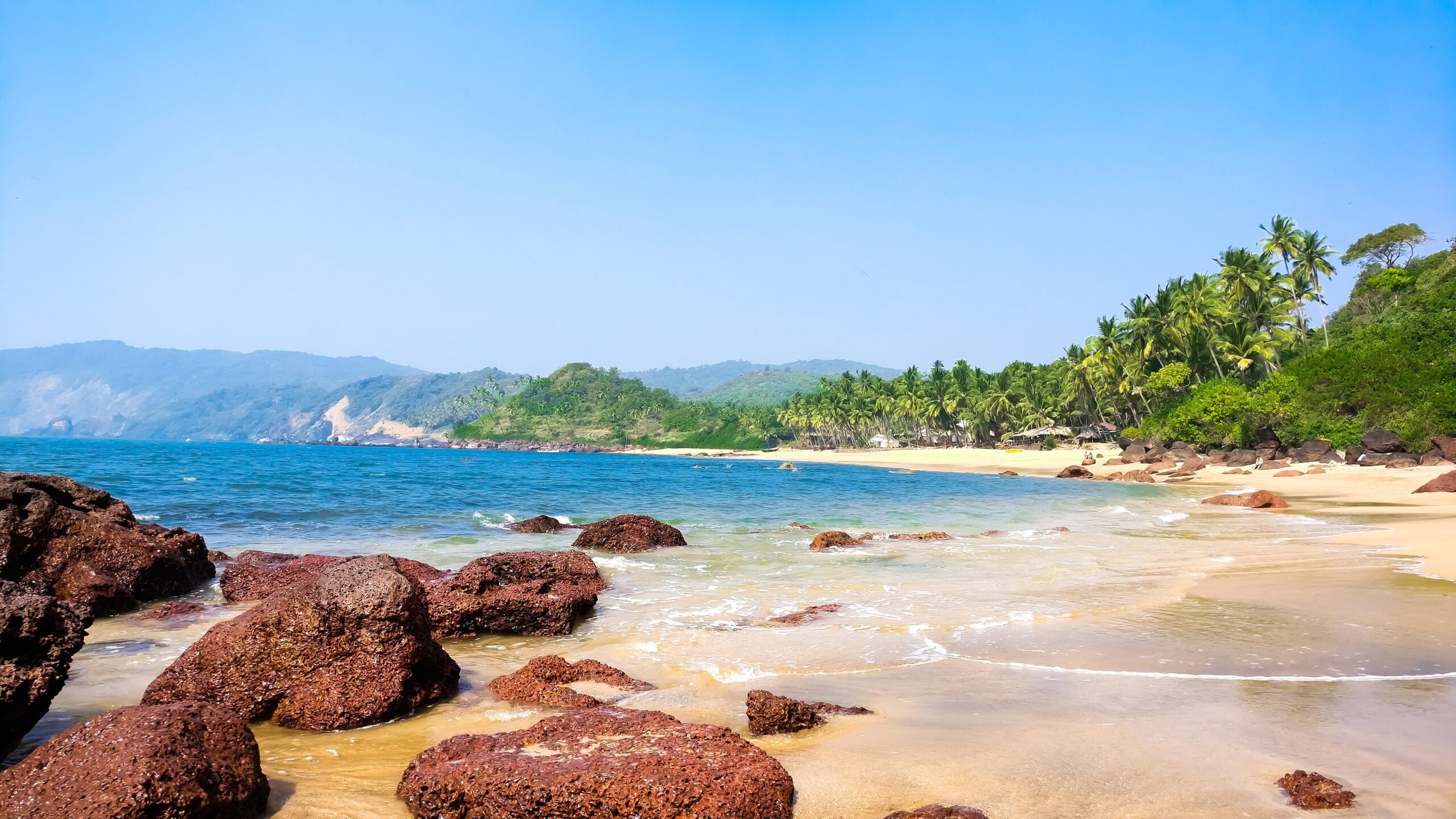
1. Goa (especially North Goa)
Goa has the most-developed digital nomad ecosystem outside major Indian cities.
- Vibe: Beach lifestyle, party culture, growing nomad scene
- Cost: $700-1,500/month for typical 1-bed apartment + lifestyle
- Internet: Mostly 50-150 Mbps fiber. Reliable in popular areas (Anjuna, Vagator, Arambol, Morjim, Assagao)
- Coworking: Mojigao (Anjuna), Vibe Goa (Vagator), Cooworking (Morjim)
- Best for: November-March (high season). May-October (monsoon) too rainy + much closes
- Pros: beach lifestyle, English widely spoken, growing community, excellent food scene
- Cons: Seasonal closures, can feel small after 2-3 months, infrastructure variable
2. Bangalore (Bengaluru)
India’s tech capital. Most international companies have offices here.
- Vibe: Cosmopolitan tech hub. Major brewery scene, modern restaurants
- Cost: $800-1,500/month for typical 1-bed in Indiranagar/Koramangala
- Internet: Reliable fiber 100-300 Mbps. Best in India for connectivity
- Coworking: WeWork, 91 Springboard, BHive, Indiqube
- Best for: Year-round. Mild climate (15-30°C)
- Pros: Most modern Indian city, English ubiquitous, tech industry pulse, cheap excellent food
- Cons: Traffic intense, expensive housing relative to other Indian cities, less ‘Indian’ feel
3. Mumbai
India’s commercial capital. Global business + media hub.
- Vibe: Bombay-style cosmopolitan, fast-paced, cultural overload
- Cost: $1,200-2,500/month for 1-bed in BKC/Bandra/Andheri
- Internet: Excellent — 100-500 Mbps fiber widely available
- Coworking: WeWork, 91 Springboard, Awfis (multiple locations)
- Best for: November-February (post-monsoon, comfortable weather)
- Pros: Most international city in India, exceptional food scene, growing fintech + crypto scene
- Cons: Most expensive Indian city, very crowded, dense + chaotic
4. Pondicherry (Puducherry)
French-influenced beach town in Tamil Nadu.
- Vibe: Slow, charming French colonial architecture, growing nomad community
- Cost: $500-1,000/month for typical 1-bed
- Internet: Reliable in popular areas. ~50-100 Mbps
- Coworking: Auroville Coworking Space, French Pondi Coworks
- Best for: November-February. Hot + humid March-October
- Pros: Affordable, beautiful architecture, beach access, slow lifestyle
- Cons: Smaller community, less infrastructure than Goa, fewer flight connections
5. Rishikesh (Uttarakhand)
Himalayan spiritual capital. Yoga capital of India.
- Vibe: Spiritual, wellness, yoga-focused. Backpacker + nomad scene
- Cost: $400-900/month — cheapest Indian city for nomads
- Internet: Variable. 30-100 Mbps in main areas. Outages occur
- Coworking: Few formal options. Cafes with WiFi work
- Best for: March-June + September-November
- Pros: Cheapest cost of living, Ganga River, yoga immersion, mountain access
- Cons: Limited infrastructure, internet less reliable, smaller community, vegetarian-only food
6. Manali, Kasol (Himachal Pradesh)
Mountain towns popular with nomads escaping summer heat.
- Vibe: Hippie + spiritual, mountain landscapes, slower pace
- Cost: $500-900/month
- Internet: 30-80 Mbps, with occasional outages
- Best for: April-October (summer escape from heat). Winters cold + closed-down
- Pros: Stunning mountain settings, cool summer weather, growing community
- Cons: Limited infrastructure, internet variable, smaller community than Goa
Cost of living in India for nomads
India offers some of the world’s best value for money. Realistic monthly costs:
- Backpacker tier: $500-800/month. Hostel/guesthouse, mostly local food, public transport, basic SIM data
- Comfortable nomad tier: $800-1,500/month. Private 1-bed apartment in good area, mix of local + international restaurants, gym, coworking, decent internet
- Premium nomad tier: $1,500-3,000/month. Premium 1-bed or 2-bed, regular eating out, private driver/Uber, full coworking, premium amenities
- Family of 4: $1,500-3,500/month. Larger apartments, school costs, healthcare. Less common but emerging
Internet quality across India
- Tier 1 (excellent): Mumbai, Bangalore, Pune, Hyderabad, Gurgaon. Fiber 200-1000 Mbps widely available. $20-30/month
- Tier 2 (good): Goa, Mysore, Kochi, Chennai, Delhi NCR. 100-300 Mbps fiber in main areas. $20-25/month
- Tier 3 (variable): Mountain towns (Rishikesh, Manali, Dharamshala), small cities. 50-150 Mbps fiber where available. Sometimes outages. $15-25/month
- 4G/5G coverage: Excellent across India. Jio (largest), Airtel offer 4G/5G with 1.5 GB/day data plans for $5-8/month
Indian SIM card setup for nomads
- Buy at airport (most convenient): Airtel/Vodafone tourist SIM. ~$15 for 30 days + 30GB data
- Buy in city (cheaper): 30-day prepaid for $5-10 with 1.5-2 GB/day. Need passport + photos + Indian address
- Activation timeline: 24-72 hours for non-citizen SIM activation
- OTP verification system: India uses heavy SMS-OTP for everything. Get a SIM that works for online banking, food delivery, ride apps
Common mistakes digital nomads in India make
- Underestimating monsoon impact: June-September rain seasons close beaches in Goa, ruin internet in mountains, make travel difficult
- Trying to do too many cities: India is huge. 6 weeks in 3 cities beats 6 weeks in 7 cities
- Not budgeting for AC electricity: April-September cooling adds $30-80/month to electricity bills
- Drinking tap water: never. Even rinsing fruit needs filtered water
- Not getting comprehensive travel insurance: private hospitals can charge $1,000-10,000 for serious incidents
- Renting via random Airbnb without long-stay discount: negotiate directly with landlords for 30-90 day stays for 30-50% discount
- Underestimating bureaucracy time: SIM activation, bank account, foreigner registration all take longer than expected
Bottom line: is India good for digital nomads?
India is excellent if: you can tolerate visa uncertainty, want extreme cost savings, value cultural depth + cheap food, and can handle infrastructure variability. India is not great if: you need maximum predictability, prefer Western infrastructure, want efficient bureaucracy, or struggle with chaotic environments.
Many nomads do 3-6 months/year in India + balance with stays in more developed countries (Portugal, Mexico, Thailand). Best of both worlds.
Related: India tourist visa · best digital nomad visas.
✓ Last verified: May 6, 2026.
See it in context: compare this visa against 35+ other nomad, freelancer, and retirement visas worldwide in all 39 visas side-by-side — income thresholds, tax treatment, family rules, path to PR. Updated quarterly from official immigration sources.
Further reading
- Cost of living in Málaga, Spain 2026: digital nomad and expat budget
- Cost of living in Buenos Aires, Argentina 2026: expat monthly budget
- Cost of living in Split, Croatia 2026: expat and digital nomad budget
- Cost of living in Porto, Portugal 2026: expat monthly budget
- Cost of living in Penang, Malaysia 2026: expat monthly budget